Wood chip powder conveying lines are essential equipment in the wood processing industry, designed to efficiently transport wood chips from one location to another. These systems are engineered to handle the unique challenges of wood chip material, including its lightweight, irregular shape, and tendency to create dust. Understanding the working principle and key features of such lines is crucial for optimizing material handling processes in sawmills, biomass plants, and other wood processing facilities.
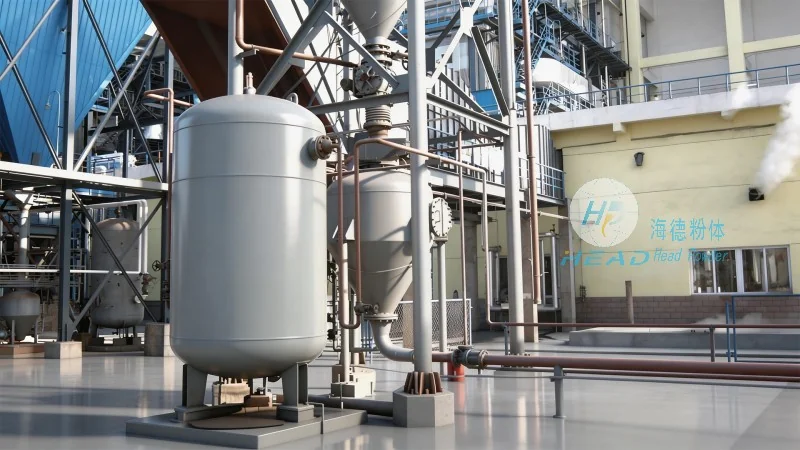
Working Principle of Wood Chip Powder Conveying Lines
The core of a wood chip powder conveying line is its ability to move material through a system of components that work in tandem. Typically, the process begins with a hopper or storage bin where wood chips are collected. From there, a conveyor system—such as a screw conveyor, belt conveyor, or pneumatic conveyor—transports the chips along the desired path. The choice of conveyor type depends on factors like the distance to be covered, the volume of material, and the need for dust control. For example, pneumatic conveying systems use air pressure to move wood chips through pipes, which is ideal for long-distance or enclosed environments. In contrast, mechanical conveyors rely on physical contact with the material, providing a more direct and often lower-cost solution for shorter distances.
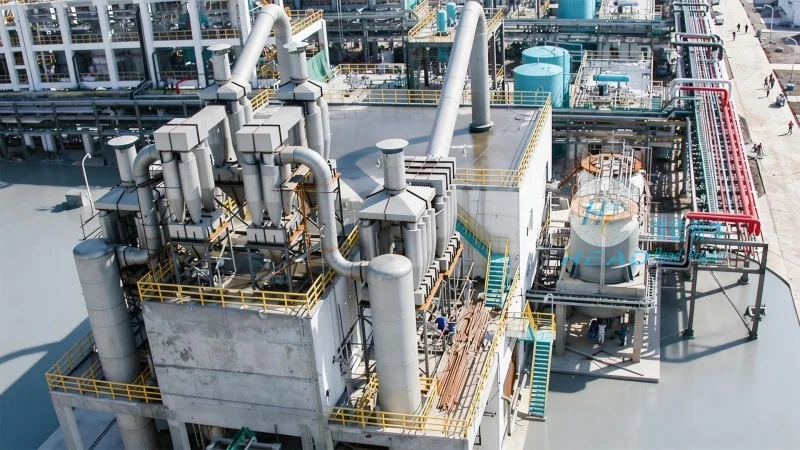
Key Features of Wood Chip Powder Conveying Lines
Several key features distinguish high-quality wood chip powder conveying lines, making them suitable for diverse applications. First, efficiency is a primary consideration. These systems are designed to minimize downtime and maximize throughput, ensuring that wood chips are moved quickly and reliably. This is achieved through robust components, such as heavy-duty motors and durable belts or pipes, which can withstand the abrasive nature of wood chips. Second, dust control is a critical feature, as wood chips are prone to generating airborne particles that can affect air quality and worker health. Advanced conveying lines incorporate dust suppression mechanisms, such as sealed enclosures and filtration systems, to keep the environment clean and safe. Third, adaptability is another important characteristic. Modern systems can be customized to handle different types of wood chips, from softwood to hardwood, and can be scaled to accommodate varying production volumes. This flexibility allows businesses to adapt their material handling solutions as their operations grow or change.
Applications and Benefits in Wood Processing
Wood chip powder conveying lines find widespread use in various wood processing applications. In sawmills, they are used to transport wood chips from the debarking and chipping stages to the drying or pelletizing equipment. In biomass power plants, these systems are essential for moving wood chips to the combustion or gasification units, where they are converted into energy. The benefits of using such lines extend beyond efficiency and dust control. By automating the material handling process, businesses can reduce labor costs and improve workplace safety. Additionally, the consistent flow of wood chips ensures that downstream processes, such as drying or pelletizing, operate smoothly, reducing the risk of bottlenecks or quality issues.
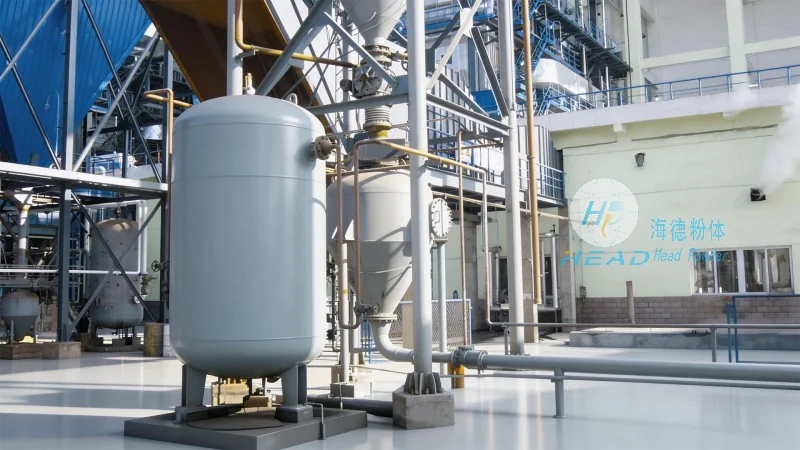
Customization and Integration with HeadPowder Solutions
Shandong HeadPowder Engineering Co., Ltd. specializes in designing and manufacturing customized wood chip powder conveying lines tailored to the specific needs of each client. With decades of experience in the industry, HeadPowder understands that no two wood processing facilities are identical, and thus, no single solution fits all. The company’s team of engineers works closely with clients to assess their unique requirements, including the type of wood chips, production volume, and available space, to develop a tailored system. For instance, a sawmill might require a combination of mechanical and pneumatic conveyors to handle both short and long-distance transport, while a biomass plant might need a larger, more robust system to handle high volumes of wood chips. HeadPowder’s solutions are built with high-quality materials, such as stainless steel and corrosion-resistant components, ensuring durability and longevity even in harsh environments. The company also provides comprehensive after-sales support, including maintenance and repair services, to ensure that the conveying lines operate at peak performance for years to come.




