Principles and Working Scene Characteristics of Biomass Material Pneumatic Conveying
Release time:2026-09-19 21:01:34
name of the company:Shandong Headpowder Engineering Co., Ltd.
telephone:156-6277-7102
contacts:Zhang manager
Understanding the principles and characteristics of pneumatic conveying for biomass materials is crucial for optimizing material handling processes in various industrial applications. This article explores the fundamental mechanisms behind biomass material pneumatic conveying and highlights the key working scene characteristics that define its effectiveness and applicability.
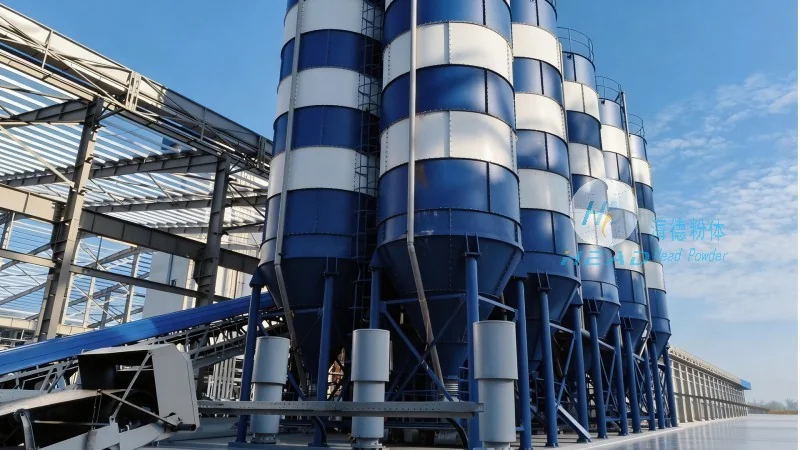
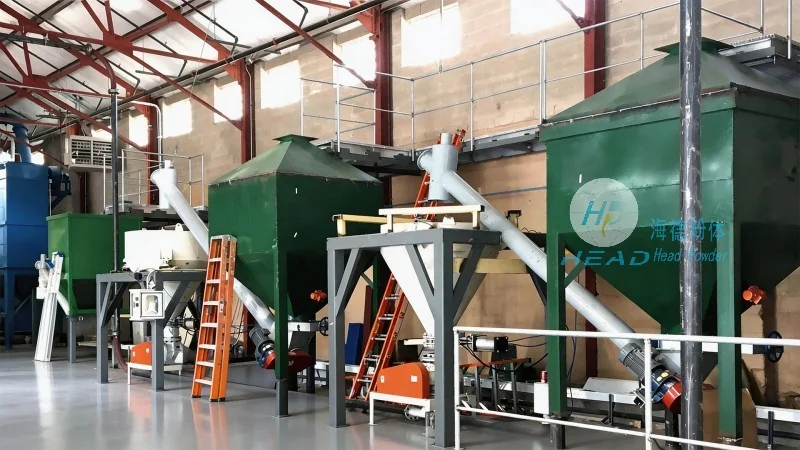
HeadPowder, a leading engineering company based in Shandong, China, specializes in providing advanced solutions for material handling systems. With a focus on innovation and efficiency, HeadPowder's expertise in pneumatic conveying technology ensures reliable and cost-effective material transport for biomass applications.
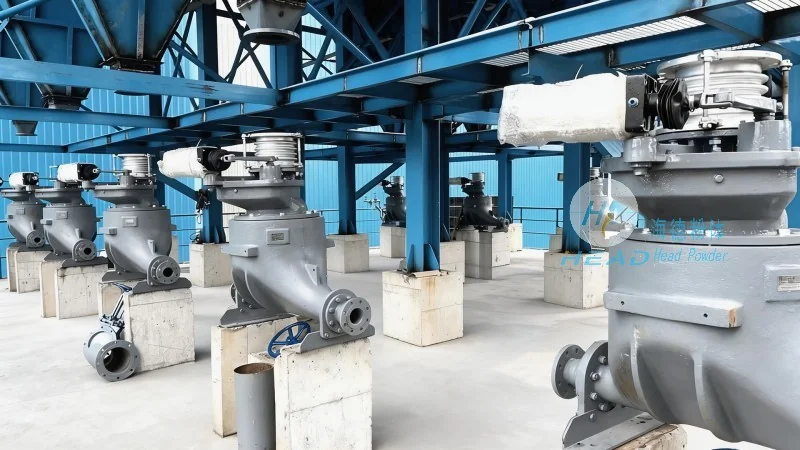
Principles of Biomass Material Pneumatic Conveying
Biomass material pneumatic conveying relies on the fundamental principle of transporting solid particles through a pipeline using a gas stream, which can be air or other suitable gases. The process is based on creating a pressure differential between the inlet and outlet of the conveying system. This differential is achieved by introducing air or gas into the material, which entrains the particles and propels them through the pipeline. The entrainment mechanism is typically facilitated by a blower or compressor that generates the necessary pressure and velocity to move the biomass particles. The efficiency of the conveying process is influenced by several key factors, including the type of pipeline (e.g., straight or curved), the size and shape of the biomass particles, and the flow rate of the gas. HeadPowder's engineering team specializes in optimizing these parameters for specific biomass materials, such as wood chips or pellets, to ensure maximum conveying efficiency and minimize energy consumption. The company's expertise in material characterization and system design allows for tailored solutions that address the unique challenges of biomass material handling, including variations in moisture content and bulk density.
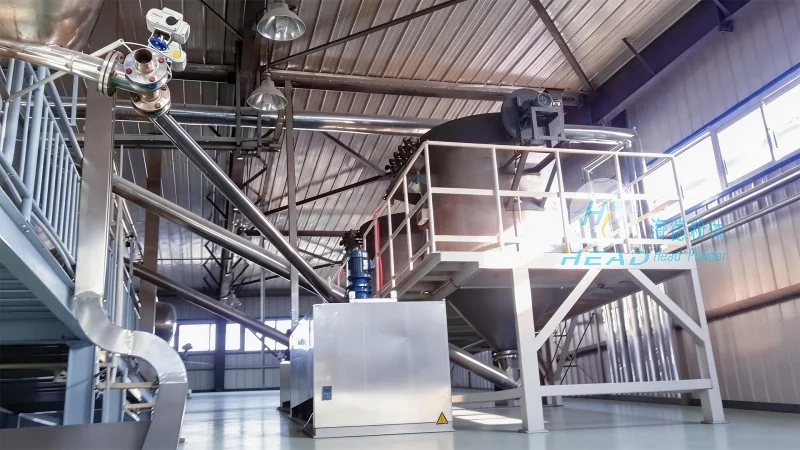
Working Scene Characteristics of Biomass Material Pneumatic Conveying
The working scene characteristics of biomass material pneumatic conveying are shaped by a combination of operational requirements and material properties. A primary characteristic is the system's versatility in handling diverse biomass materials, ranging from fine sawdust to larger wood chips and pellets. This flexibility makes it suitable for various industrial applications, including biomass power generation, biofuel production, and material processing facilities. Another critical characteristic is the ability to operate in both positive and negative pressure modes. Positive pressure systems utilize a blower to push the material through the pipeline, which is ideal for applications where the material needs to be transported over long distances or through complex layouts. Negative pressure systems, on the other hand, use a vacuum to draw the material, which is often preferred for applications where dust control and material containment are paramount. HeadPowder's pneumatic conveying systems are designed to accommodate both modes, providing flexibility to meet the specific needs of different working environments. The working scene also considers factors like the material's moisture content and bulk density, as these properties directly impact the conveying velocity and system pressure. For example, materials with higher moisture content may require higher gas flow rates to maintain optimal conveying conditions. Additionally, the system's scalability is a key characteristic, allowing for the design of conveying systems that can handle varying flow rates, from small-scale laboratory applications to large-scale industrial operations. HeadPowder's experience in large-scale biomass handling projects ensures that the working scene is optimized for efficiency, reliability, and cost-effectiveness, delivering solutions that meet the demands of modern biomass processing industries.




