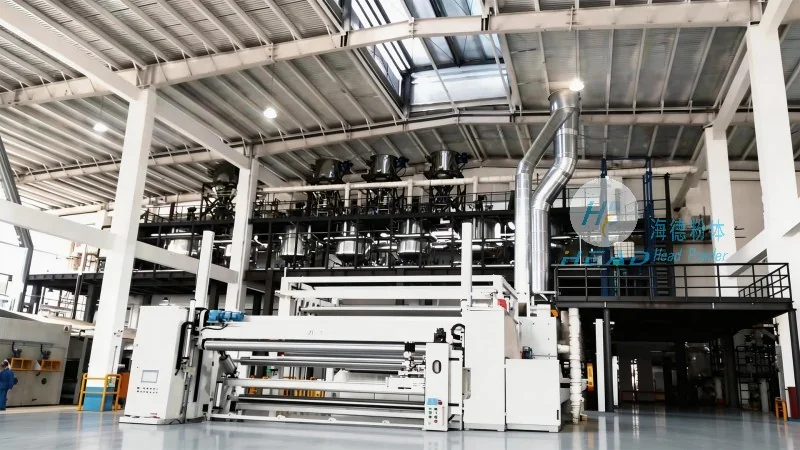
PTA (Polyethylene Terephthalate Acid) is a critical raw material in the production of polyester fibers and resins. The efficient and reliable transportation of PTA material is essential for maintaining the smooth operation of industrial production lines. Pneumatic conveying, as a non-contact material handling method, has become a widely adopted solution for PTA material transport due to its advantages in hygiene, safety, and flexibility. This article explores the fundamental principles of PTA material pneumatic conveying and highlights the key characteristics of its working scenarios.
Principle of PTA Material Pneumatic Conveying
Pneumatic conveying utilizes air as the medium to transport bulk materials through a pipeline system. The core principle involves creating a pressure differential or using air flow to move the material. There are two main types of pneumatic conveying systems: suction (or vacuum) conveying and pressure conveying. In suction conveying, a vacuum is created at the material inlet to draw the PTA material into the pipeline. This method is suitable for short-distance transport and can handle materials with a wide range of particle sizes. Pressure conveying, on the other hand, uses compressed air to push the material through the pipeline. It is typically used for longer distances and can handle larger quantities of material. The choice between suction and pressure conveying depends on factors such as the distance between the source and destination, the material's physical properties, and the required flow rate.
Working Scene Characteristics of PTA Material Pneumatic Conveying
The application of PTA material pneumatic conveying varies across different industrial settings, each with distinct characteristics that influence system design and performance. In the context of PTA production facilities, the working scenarios can be broadly categorized based on the production stage and the specific requirements of the process. For instance, in the initial stage of PTA production, where raw materials are delivered to the plant, pneumatic conveying systems are often used to transport bulk PTA from storage silos or trucks to the processing units. This ensures a continuous and clean supply of material, minimizing the risk of contamination and dust exposure. The working scene in this phase is characterized by high material flow rates and the need for robust, dust-tight equipment to maintain product quality.
In the middle stages of PTA production, such as the transport from the reaction units to the crystallization or filtration sections, pneumatic conveying systems play a critical role in transferring the material efficiently. The working scene here involves handling PTA in a semi-solid or slurry form, which requires specialized equipment to prevent blockages and ensure consistent flow. The system design must consider the temperature and pressure conditions of the material at this stage, as well as the need for precise control over the conveying rate to match the downstream processes. This phase often demands high-precision control systems and durable components to withstand the harsh operating conditions.
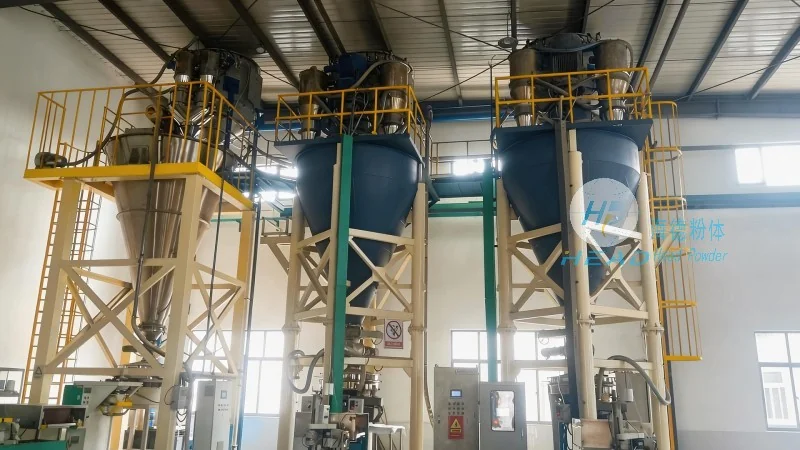
During the final stages of PTA production, where the material is transported from the filtration or drying units to the packaging or storage areas, pneumatic conveying systems provide a clean and hygienic method of transport. The working scene in this phase emphasizes the importance of maintaining product purity and preventing cross-contamination. The systems are typically designed with stainless steel components and advanced filtration to ensure that the PTA material remains free from impurities. The characteristics of this working scene include low material flow rates and the need for gentle handling to avoid product degradation. The use of positive displacement blowers or rotary lobe pumps may be employed to achieve the desired conveying performance while minimizing material degradation.
Key Considerations for PTA Material Pneumatic Conveying Systems
When designing and implementing PTA material pneumatic conveying systems, several key factors must be considered to ensure optimal performance and longevity. The first consideration is the material's physical properties, including particle size, density, and moisture content. These properties directly impact the selection of the conveying method (suction or pressure) and the system's components, such as the type of air nozzles and pipeline diameter. For PTA, which typically consists of fine granules, suction conveying may be preferred due to its ability to handle fine particles without clogging the system. However, for larger batches or longer distances, pressure conveying may be more suitable. Shandong HeadPowder Engineering Co., Ltd., a leading provider of engineering solutions for material handling, specializes in designing and implementing pneumatic conveying systems tailored to the specific needs of PTA production facilities.
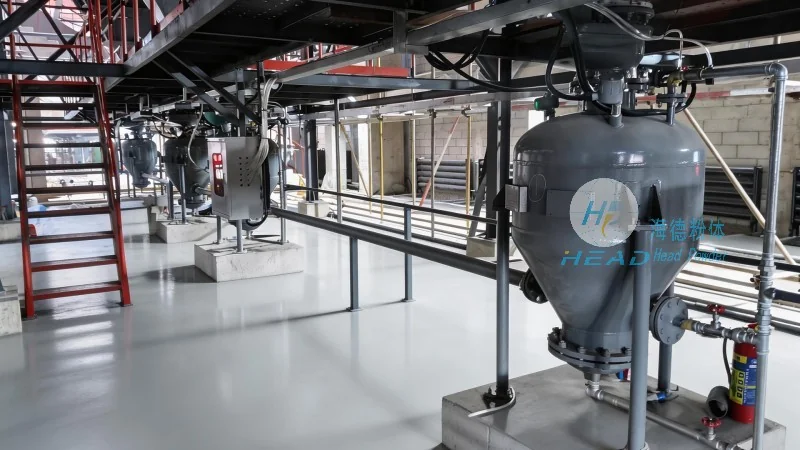
Another critical factor is the system's capacity and flow rate requirements. The design must ensure that the conveying system can meet the production demands without causing bottlenecks or overloading the downstream equipment. This involves calculating the required air volume and pressure based on the material's bulk density and the desired conveying velocity. Proper sizing of the pipeline, air compressor, and control valves is essential to achieve the desired flow rate and maintain system efficiency.
Hygiene and safety are also paramount in PTA material handling, especially in food and beverage applications where product purity is critical. Pneumatic conveying systems must be designed with materials that are resistant to corrosion and easy to clean, such as stainless steel. The system should also include features like dust collection and filtration to prevent airborne contamination. Additionally, safety measures such as pressure relief valves and emergency shut-off systems are necessary to protect operators and prevent accidents.
Conclusion: The Role of PTA Material Pneumatic Conveying in Modern Production
Pneumatic conveying has emerged as a vital technology in the efficient handling of PTA material across various industrial applications. By understanding the fundamental principles and working scene characteristics of these systems, manufacturers can optimize their material transport processes, improve productivity, and ensure product quality. The integration of advanced control systems and durable components further enhances the reliability and longevity of PTA material pneumatic conveying systems. As the demand for PTA continues to grow, the importance of efficient and reliable material handling solutions will only increase, making pneumatic conveying an indispensable part of modern PTA production facilities.




