Foundry sand powder is a critical material in the casting industry, and its efficient handling is essential for maintaining production efficiency and quality. Pneumatic conveying lines offer a reliable solution for transporting these fine powders, ensuring consistent performance across various industrial applications. This article explores the fundamental principles behind these systems and highlights the key working scene characteristics that make them suitable for foundry sand powder handling.
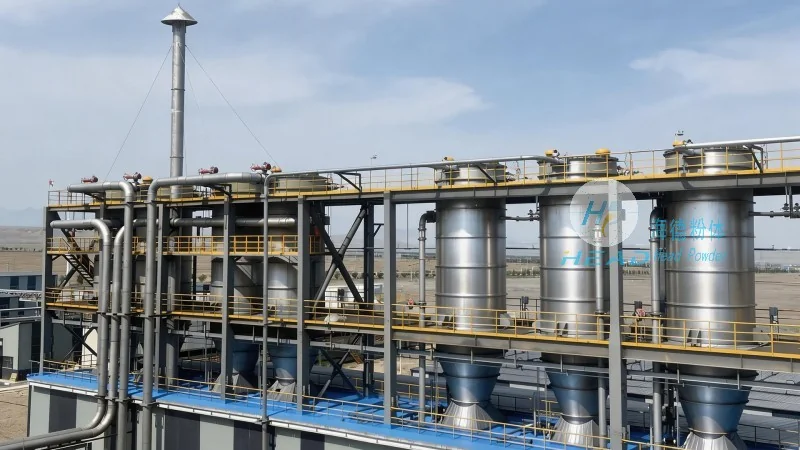
Understanding Pneumatic Conveying for Foundry Sand Powders
Pneumatic conveying systems utilize air or gas to transport bulk materials like foundry sand powder through a pipeline network. The core principle involves creating a pressure differential to move the material from the source to the destination. There are two primary types of pneumatic conveying: pressure and vacuum systems. Pressure systems use compressed air to push the material, while vacuum systems use a vacuum to pull it. For foundry sand powder, which often requires gentle handling to prevent degradation or agglomeration, pressure systems are commonly preferred due to their ability to control flow rates and maintain material integrity.
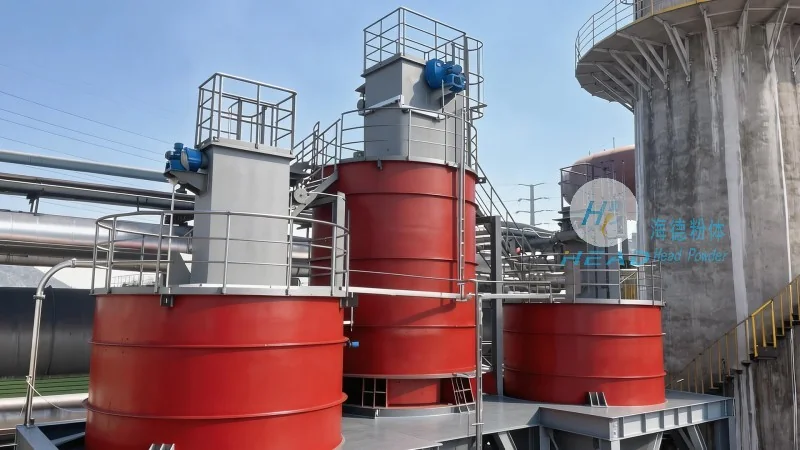
Key Working Scene Characteristics of Pneumatic Conveying Lines
The effectiveness of a pneumatic conveying line for foundry sand powder is determined by several working scene characteristics that must be carefully considered during system design and operation. These include the material's physical properties, such as particle size, density, and moisture content, which directly impact the system's performance. For instance, fine particles may require higher air velocities to prevent clogging, while larger particles might need lower velocities to avoid excessive wear on the pipeline and components. Additionally, the system's layout, including the number of transfer points, vertical and horizontal distances, and the presence of bends or elbows, affects the overall efficiency and energy consumption. Properly designed conveying lines minimize pressure drops and ensure smooth material flow, reducing the risk of blockages and maintenance issues.
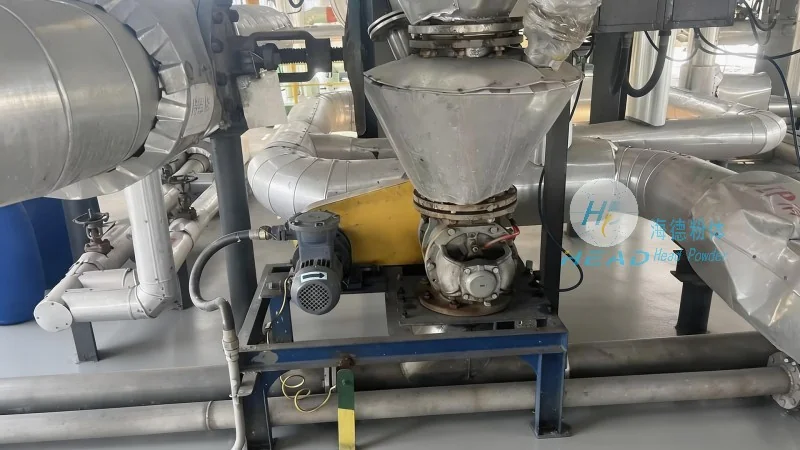
Applications and Operational Scenarios
Pneumatic conveying lines for foundry sand powder are widely used in various operational scenarios within foundry plants. These systems are commonly employed for transporting sand from storage silos to molding machines, or for moving reclaimed sand back to the reclamation system. In some cases, they are used to convey sand from the molding area to the recycling or disposal facilities. The versatility of pneumatic conveying allows it to adapt to different production scales, from small-scale foundries to large industrial casting operations. The ability to handle both new and reclaimed sand makes these systems integral to sustainable foundry practices, as they enable the efficient recycling of materials and reduce waste.
Advantages and Considerations for Foundry Sand Powder Handling
Implementing a pneumatic conveying line for foundry sand powder offers several advantages, including improved safety by eliminating manual handling of heavy or dusty materials, enhanced process control through precise flow regulation, and increased production efficiency by reducing downtime associated with material transport. However, there are also considerations to keep in mind, such as the need for regular maintenance to prevent wear on components like valves, filters, and pipelines. The choice of air compressor and filtration system is critical to ensure clean air and consistent performance. Additionally, the system's energy consumption should be evaluated, as pneumatic conveying can be energy-intensive, especially for long-distance or high-volume applications. Proper system sizing and optimization are essential to balance performance, cost, and environmental impact.
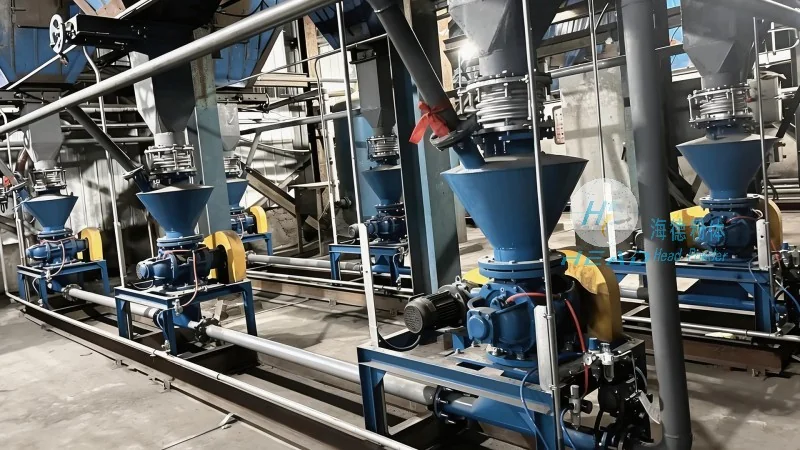
Conclusion
Pneumatic conveying lines are a robust and efficient solution for handling foundry sand powder, offering reliable performance across diverse industrial scenarios. By understanding the fundamental principles and key working scene characteristics, foundry operators can select and operate these systems effectively, ensuring optimal material transport and contributing to overall production success. The expertise of companies like Shandong HeadPowder Engineering Co., Ltd. plays a vital role in designing and implementing such systems, tailored to the specific needs of foundry operations.




