HeadPowder, a leading provider in the field of powder handling technology, specializes in the design, manufacturing, and implementation of advanced pneumatic conveying systems. The company, with its headquarters in Shandong, China, offers comprehensive solutions tailored to the unique needs of various industrial applications. This article delves into the fundamental principles of PUR powder pneumatic conveying lines and highlights the key working scene characteristics that make these systems efficient and reliable, providing insights into how they enhance operational efficiency and product quality across diverse industries.
Principle of Pneumatic Conveying
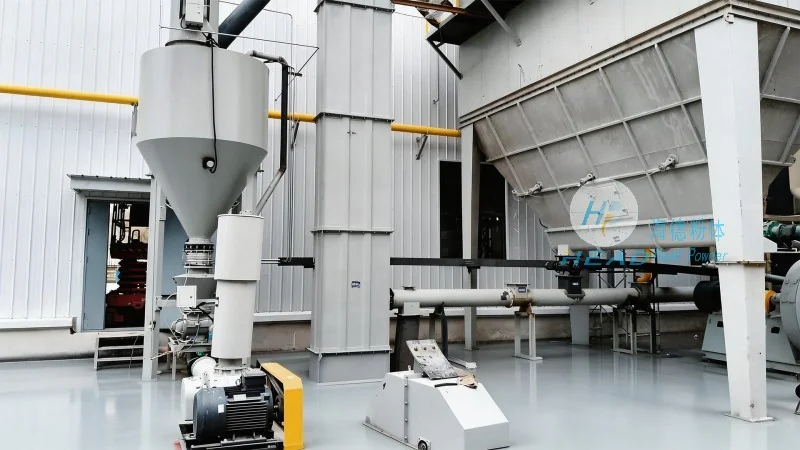
The core principle of a PUR powder pneumatic conveying line involves the use of compressed air to transport dry powders through a pipeline system. This method, known as pneumatic conveying, utilizes the kinetic energy of the air to suspend and move the powder particles. The process typically begins with the powder being fed from a hopper into a pipeline where it is mixed with a controlled flow of compressed air. The air stream creates a fluidized bed of powder, allowing the material to be transported without the need for mechanical components like belts or buckets. The system operates by maintaining a consistent air pressure and flow rate, which is crucial for preventing issues such as clogging, material degradation, or uneven flow. The choice of air pressure and flow rate depends on the specific characteristics of the powder, including particle size, density, and moisture content, ensuring optimal performance for each application.
Key Components and Their Functions
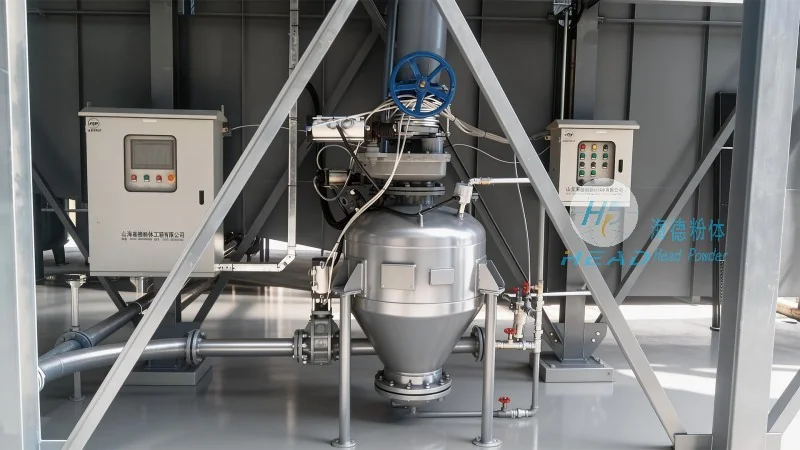
Several critical components work in tandem to ensure the smooth operation of a PUR powder pneumatic conveying line. The hopper serves as the primary storage vessel, providing a consistent supply of material to the feeder. It is designed to maintain a stable head of powder, preventing the feeder from running dry and ensuring a continuous flow. The feeder, often a rotary valve or a screw feeder, is responsible for controlling the rate at which powder is introduced into the pipeline. This component is crucial for maintaining a stable flow rate and preventing overloading, which can lead to system inefficiencies or damage. The pipeline itself is constructed from high-quality PUR material, chosen for its durability, flexibility, and resistance to abrasion and chemical corrosion. The pipeline network is designed with appropriate diameter and length to accommodate the required transport distance, with bends and fittings carefully engineered to minimize pressure loss and maintain flow efficiency. Additionally, the system includes a filter and a silencer to manage air quality and noise levels, respectively. The filter removes any fine particles from the air stream, preventing contamination of downstream equipment or the environment. The silencer reduces the noise generated by the compressed air, ensuring a safe and comfortable working environment. The receiver at the end of the line collects the conveyed material and may include a discharge valve to control the release of the product, allowing for precise control over the final material handling process.
Working Scene Characteristics
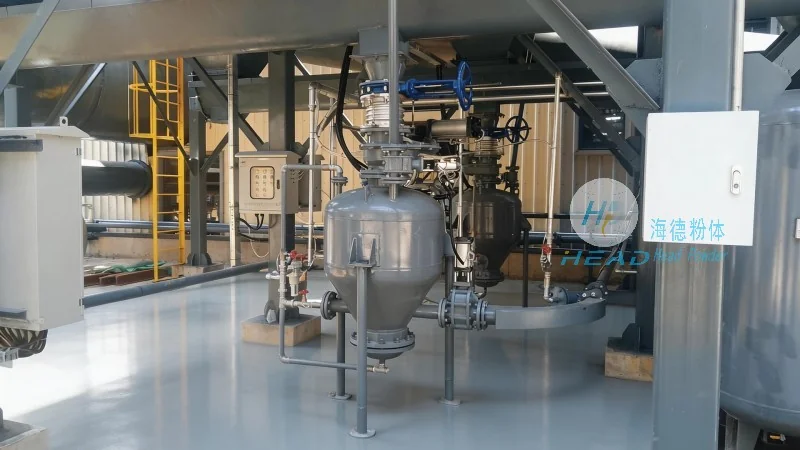
The working scene characteristics of PUR powder pneumatic conveying lines are tailored to meet the demands of diverse industrial environments. These systems are commonly used in sectors such as food processing, pharmaceuticals, chemicals, and mining, where the transport of fine powders requires precision, cleanliness, and compliance with strict regulations. The design of the conveying line is adapted to the specific properties of the powder, including particle size, density, and moisture content. For example, in food applications, the system may incorporate sanitary materials and components, such as stainless steel and food-grade seals, to ensure compliance with food safety regulations like FDA and HACCP. In pharmaceutical industries, the system is often equipped with HEPA filters and a sterile environment to maintain a contamination-free zone, critical for producing high-purity drugs. The flexibility of the PUR material in the pipeline allows for custom configurations to accommodate different distances and layouts, making it suitable for both small-scale and large-scale operations. In mining operations, the system is used to move ore from the mine to processing facilities, improving operational efficiency and reducing labor costs by eliminating the need for manual handling and reducing the risk of dust exposure.
Advantages and Applications
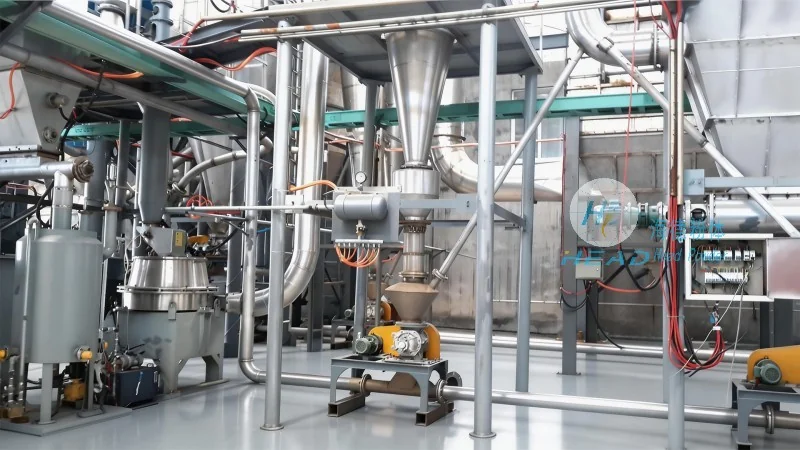
PUR powder pneumatic conveying lines offer several advantages that make them a preferred choice for many industries. One of the primary benefits is the ability to transport powders without direct contact with the conveying equipment, reducing the risk of contamination and material degradation. This is particularly important in industries where product purity is critical, such as pharmaceuticals and food processing. The system also provides a dust-free and enclosed environment, enhancing workplace safety and compliance with environmental regulations by minimizing dust emissions and preventing contamination of the surrounding area. Additionally, the compact design of the system allows for efficient use of space, making it suitable for installations in confined areas or where space is limited. The applications of these systems are widespread, ranging from the transport of food powders like sugar and flour to chemical powders such as pigments and catalysts. In mining operations, the system is used to move ore from the mine to processing facilities, improving operational efficiency and reducing labor costs. The system's ability to handle a wide range of powder types and its adaptability to different operational conditions make it a versatile solution for various industrial needs.




