Carbon black and coal powder are essential industrial powders utilized across diverse manufacturing sectors, including rubber, plastics, and coatings. The core principle of material conveying involves the systematic transfer of bulk materials from a source to a destination, often through pneumatic or mechanical systems. For these fine powders, the choice of conveying method is dictated by several critical factors, such as particle size, moisture content, and the required distance of transport. Pneumatic conveying systems, for example, operate by utilizing compressed air to move powders through a network of pipes, while mechanical systems like screw conveyors or belt conveyors rely on mechanical force to propel the material. The selection of the appropriate principle is vital to preserve material integrity and prevent issues like caking or agglomeration, which can disrupt the conveying process and reduce system efficiency.
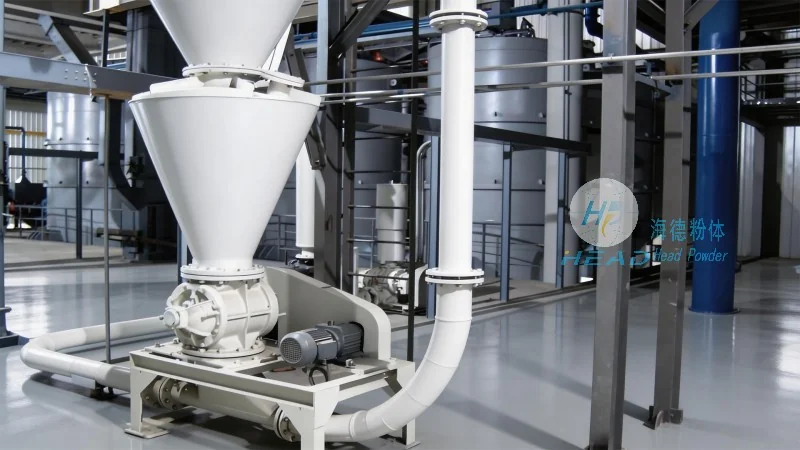
Working Scene Characteristics of Carbon Black and Coal Powder Conveying Systems
The working scene characteristics of carbon black and coal powder conveying systems vary based on the application and industrial environment. In industrial settings, these systems are typically integrated into larger production lines, where the materials are used as raw ingredients for products like tires, plastics, or coatings. The characteristics of the working scene include high-volume material handling, often in continuous operation, and the need for precise control over the conveying process. For example, in a tire manufacturing plant, carbon black is conveyed to mixing stations where it is combined with rubber to form the tread compound. The conveying system must handle large quantities of carbon black while maintaining consistent flow rates to ensure uniform mixing. Another characteristic is the need for dust control and environmental compliance, as carbon black and coal powder are fine powders that can create airborne dust, posing health and safety risks. Conveying systems are often equipped with dust collection and filtration systems to mitigate these risks and meet regulatory standards.
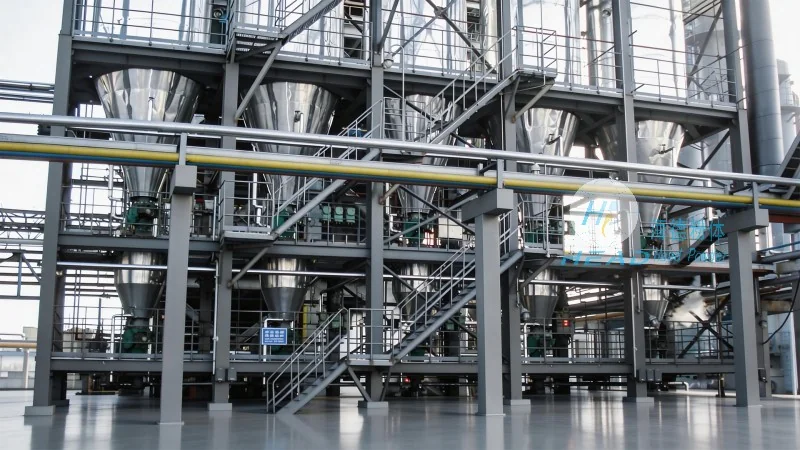
Key Considerations for Efficient Carbon Black and Coal Powder Conveying
Efficient conveying of carbon black and coal powder involves several key considerations that impact system performance and longevity. One critical factor is the material's properties, including particle size distribution, density, and moisture content. Larger particles may require different conveying methods than fine powders, as they can cause blockages or increased friction in the system. Moisture content is another important consideration, as high moisture levels can lead to material caking or corrosion of equipment. Proper drying and moisture control are essential to maintain material flowability and prevent system downtime. Additionally, the design of the conveying system, including pipe diameter, air velocity, and equipment selection, plays a significant role in efficiency. For instance, in pneumatic conveying, the air velocity must be sufficient to prevent particle settling but not so high as to cause excessive wear on the system components. The choice of materials for the conveying equipment, such as stainless steel or corrosion-resistant alloys, is also important to ensure durability and prevent contamination of the powders.
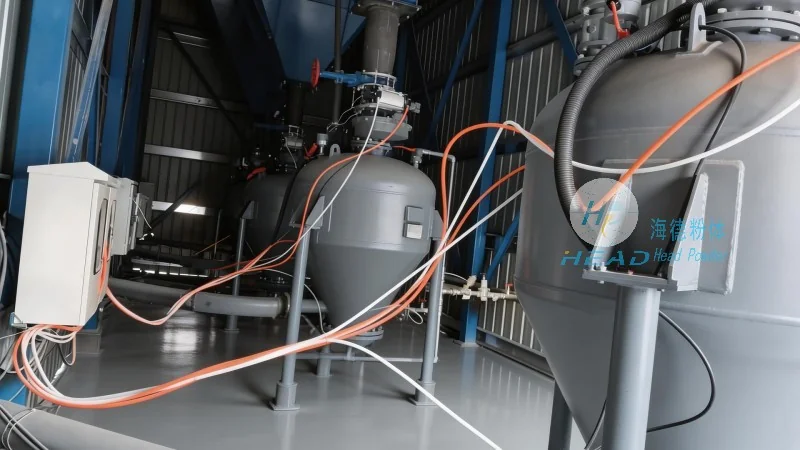
Application Examples in Industrial Settings
Carbon black and coal powder conveying systems are widely used in various industrial applications, each with unique requirements and characteristics. In the rubber industry, carbon black is a critical additive that enhances the strength and durability of rubber products. The conveying system must be capable of handling large volumes of carbon black and delivering it to mixing stations with minimal loss or degradation. In the plastics industry, coal powder may be used as a filler or additive to improve the mechanical properties of plastic products. The conveying system in this context needs to ensure consistent mixing and prevent the segregation of coal powder from the plastic matrix. Another application is in the production of coatings and pigments, where both carbon black and coal powder are used as colorants or additives. The conveying system must maintain the color and quality of the powders, which is crucial for the final product's appearance and performance. Each application requires a tailored conveying system that addresses the specific challenges of the material and the production process.




