Coal sand powder conveying lines are essential industrial equipment designed to transport coal sand and other fine powders efficiently and reliably. Understanding their working principles and operational characteristics is crucial for optimizing material handling processes in various industrial settings.
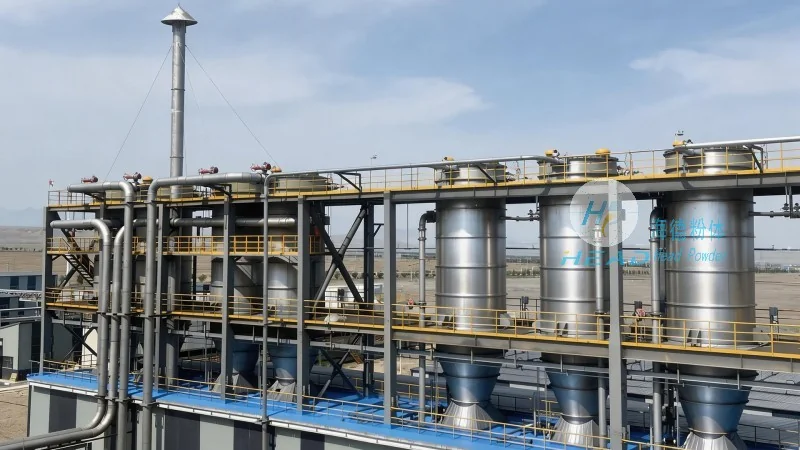
Working Principle of Coal Sand Powder Conveying Lines
The core mechanism of coal sand powder conveying lines typically involves a combination of air pressure, vacuum, or mechanical force to move powders through pipelines. These systems often utilize positive pressure or negative pressure to create a flow of material. In positive pressure systems, compressed air is used to push the powder forward, while negative pressure systems employ suction to draw the material along the pipeline. The design may also incorporate components like feeders, hoppers, and control valves to regulate the flow rate and ensure consistent material transport. The conveying line's efficiency depends on factors such as the particle size, moisture content, and density of the coal sand, as well as the system's pressure and flow rate settings.
Key Components and Their Functions
Coal sand powder conveying lines consist of several critical components that work in tandem to ensure smooth operation. The hopper or feeder is responsible for storing and feeding the coal sand into the system, maintaining a consistent supply. The pipeline itself, often made of materials like stainless steel or PVC, provides the path for the material to travel. Air movers, such as blowers or vacuum pumps, generate the necessary pressure or suction to drive the powder. Control valves and regulators adjust the flow rate and pressure, preventing overloading or underflow. Additionally, filters and separators may be included to remove contaminants and maintain material purity. Each component plays a vital role in the overall performance and reliability of the conveying line.
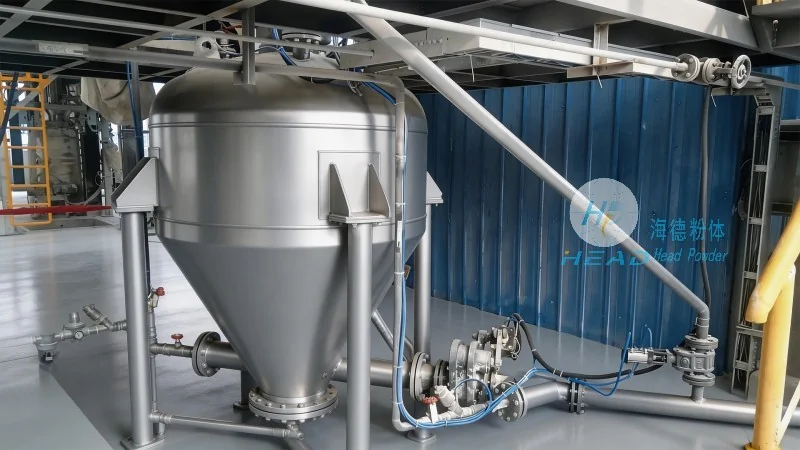
Application Scenarios and Operational Characteristics
Coal sand powder conveying lines are widely used in industries where fine powders need to be transported over short or long distances. Common applications include coal processing plants, mining operations, and industrial manufacturing facilities. The operational characteristics of these systems vary based on the specific requirements of the application. For instance, in coal processing, the conveying line may need to handle large volumes of coal sand with varying particle sizes, requiring robust components that can withstand abrasive wear. In mining, the system might operate in harsh environments with high dust levels, necessitating dust suppression measures and durable materials. The flexibility of the conveying line allows it to adapt to different operational conditions, making it suitable for both continuous and intermittent material transport. The ability to handle high flow rates and maintain low material degradation makes it an ideal solution for industries that require efficient and reliable powder handling.
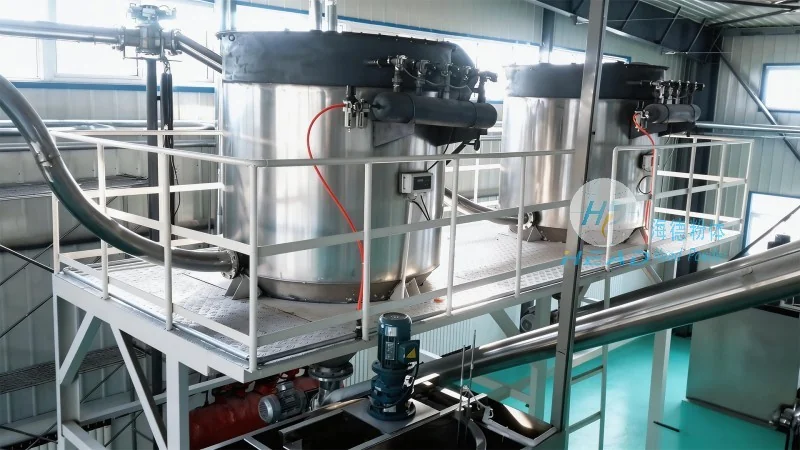
Advantages and Benefits in Industrial Settings
Implementing coal sand powder conveying lines offers several advantages for industrial operations. One of the primary benefits is the reduction in labor costs associated with manual handling of powders. Automated systems minimize the need for human intervention, improving safety and reducing the risk of accidents. Additionally, these lines enhance material handling efficiency by ensuring consistent and continuous transport, leading to increased productivity. The enclosed design of the conveying line also helps in controlling dust emissions, improving workplace safety and compliance with environmental regulations. Furthermore, the system's ability to handle a wide range of particle sizes and moisture levels makes it versatile for various industrial applications. The reliability of the equipment, with proper maintenance, ensures minimal downtime and consistent performance, contributing to overall operational efficiency.
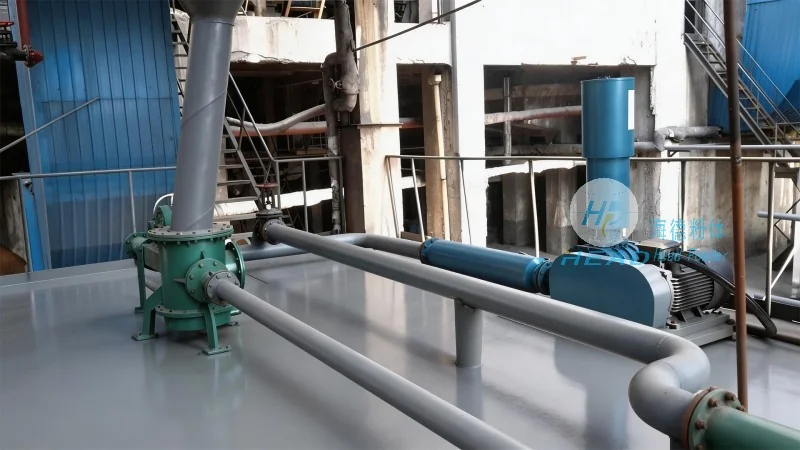
Customization and Integration with Existing Systems
Shandong HeadPowder Engineering Co., Ltd. specializes in designing and manufacturing customized coal sand powder conveying lines tailored to specific industrial needs. The company's expertise lies in understanding the unique requirements of each application and providing solutions that optimize material transport. Customization options may include adjustments to the pipeline length, diameter, and material, as well as the selection of appropriate air movers and control systems. Integration with existing industrial processes is also a key consideration, ensuring that the conveying line works seamlessly with other equipment such as crushers, grinders, or storage silos. The company's team of engineers works closely with clients to assess their operational needs and develop a tailored solution that meets their performance and budget requirements. This approach ensures that the conveying line not only meets but exceeds the expectations of the end-user, providing long-term value and reliability.
Maintenance and Longevity of the Conveying Line
Proper maintenance is essential to ensure the longevity and optimal performance of coal sand powder conveying lines. Regular inspections and cleaning of components such as hoppers, pipelines, and air movers are crucial to prevent blockages and maintain efficiency. The use of high-quality materials and components, as offered by Shandong HeadPowder Engineering Co., Ltd., contributes to the durability of the system. Additionally, implementing preventive maintenance schedules, such as routine checks of pressure levels and flow rates, helps in identifying potential issues before they lead to system failures. The company provides maintenance services and support to its clients, ensuring that the conveying line remains in good working condition throughout its operational life. By adhering to proper maintenance practices, industrial facilities can maximize the lifespan of their conveying lines and minimize downtime, thereby enhancing overall operational efficiency.




