White carbon black, also known as precipitated silica, is a vital additive in sectors like rubber, plastics, coatings, and inks. The efficient and safe transportation of this fine powder is critical for maintaining product quality and operational efficiency. Pneumatic conveying systems, especially those tailored for white carbon black, leverage air as the conveying medium to achieve reliable material transport. This article delves into the core principles of white carbon black pneumatic conveying machines and outlines the key characteristics of their operational scenarios.
Understanding the Core Principle of Pneumatic Conveying
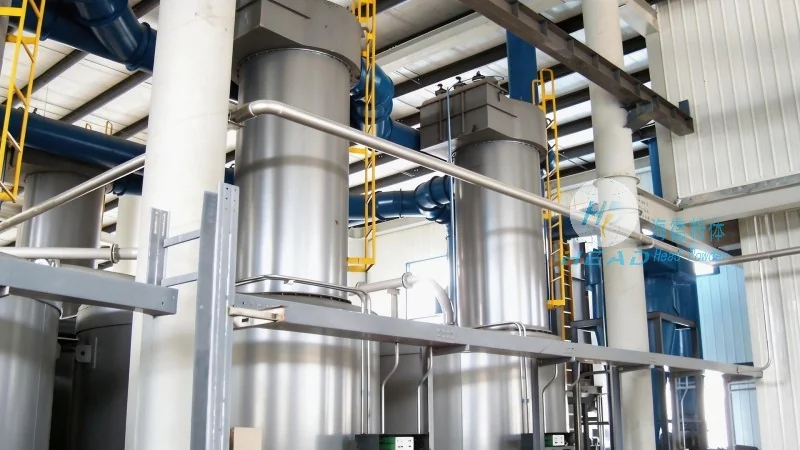
The principle of pneumatic conveying involves moving bulk materials through pipelines using compressed air or suction. For white carbon black, which poses challenges like particle agglomeration and dust generation, the system design must address these issues. The typical components include a hopper for material storage, a rotary valve to control flow, a conveying line, and a receiver. The hopper holds the white carbon black, and the rotary valve regulates its entry into the line. Compressed air is introduced to create an air-material flow, transporting the white carbon black from the source to the destination. Two primary system types exist: suction (negative pressure) and pressure (positive pressure). Suction systems use vacuum to draw material, while pressure systems use compressed air to push it. The selection depends on factors such as transport distance, material properties, and required flow rates.
Key Working Scene Characteristics of White Carbon Black Pneumatic Conveying Machines
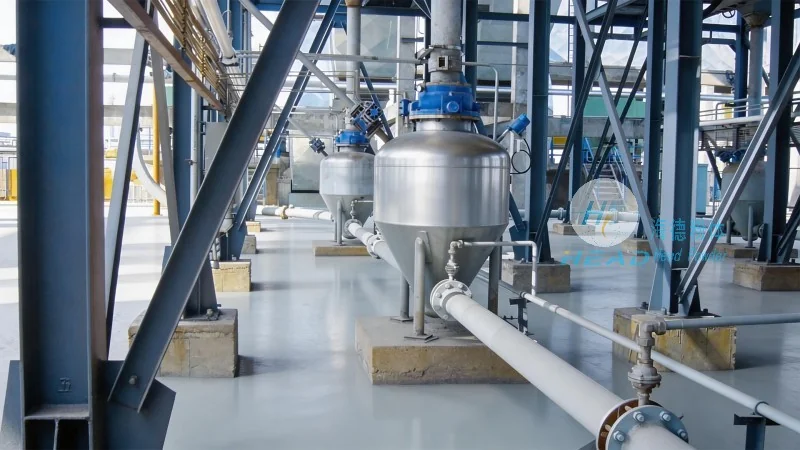
The operational characteristics of white carbon black pneumatic conveying machines are tailored to industrial demands. These include: 1. **Closed System Operation**: Enclosed designs contain dust, preventing environmental contamination—an essential feature for fine powders like white carbon black that pose health risks. 2. **High Efficiency and Capacity**: Modern systems handle large volumes with minimal energy use, utilizing efficient rotary valves and optimized air flow for consistent performance. 3. **Layout Flexibility**: Modular designs allow integration into existing production lines or standalone use, adapting to diverse plant layouts. 4. **Low Maintenance**: Robust components and advanced materials reduce upkeep, lowering operational costs and increasing uptime. 5. **Particle Size Compatibility**: The system must handle varying white carbon black particle sizes without clogging. Design features like specialized hopper materials and internal surfaces ensure smooth flow for fine particles.
Industrial Applications and Performance in Different Scenarios
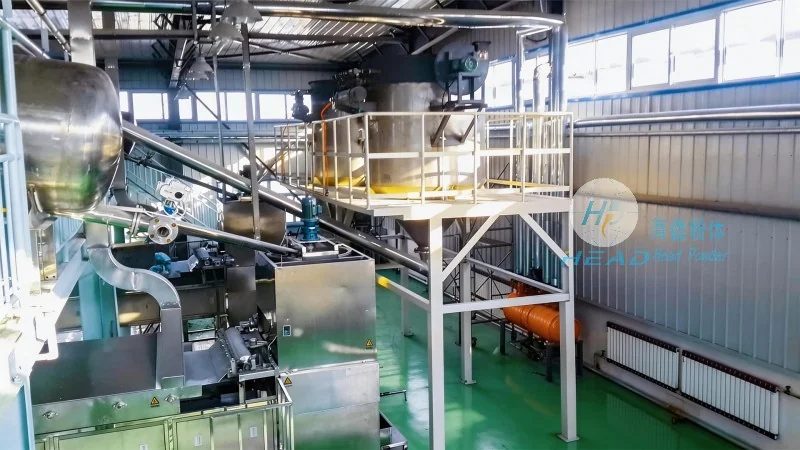
White carbon black pneumatic conveying machines are widely used in industries where this additive is critical. In the rubber industry, they transport white carbon black from storage to mixing equipment, ensuring uniform distribution in rubber compounds. In plastics, they add white carbon black to polymer pellets during extrusion. Performance is evaluated based on material transfer efficiency, dust control, and reliability. Maintaining consistent particle size and preventing agglomeration is key to high-quality end products. The system’s adaptability to varying flow rates and pressures supports different production schedules and batch sizes.
Technical Advantages and Operational Considerations
Key technical advantages include: 1. **Reduced Labor Costs**: Automation minimizes manual handling of hazardous fine powders. 2. **Improved Product Quality**: Prevents contamination and maintains particle size consistency, ensuring product specifications are met. 3. **Enhanced Safety**: Enclosed designs and controlled air flow reduce dust explosion and inhalation risks, complying with safety regulations. 4. **Energy Efficiency**: Advanced air compressors and flow control mechanisms minimize energy use while maintaining high transfer rates. Operational considerations involve regular rotary valve maintenance, line cleaning, and monitoring air pressure/flow rates. Proper operator training on system operation and safety protocols is also essential for optimal performance and longevity.
Conclusion
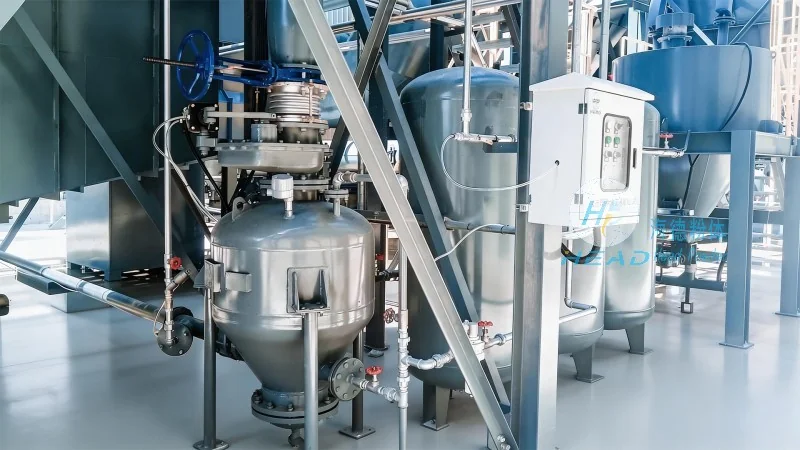
In summary, white carbon black pneumatic conveying machines are indispensable for efficiently and safely transporting white carbon black across various industrial applications. The fundamental air-based transport principle, combined with operational characteristics like closed systems and high efficiency, makes these systems reliable. Companies such as Shandong HeadPowder Engineering Co., Ltd. (headpowder), based in China, specialize in designing and manufacturing these systems to meet diverse industry needs. With their expertise and commitment to quality, these systems significantly enhance productivity and safety in industrial operations.




