HeadPowder, a leading engineering firm based in Shandong, China, specializes in the design and implementation of advanced pneumatic conveying systems. This article explores the fundamental principles behind quantitative weighing pneumatic conveying lines and highlights key application scenarios where these systems excel in material handling operations.
Understanding the Core Principle of Quantitative Weighing Pneumatic Conveying
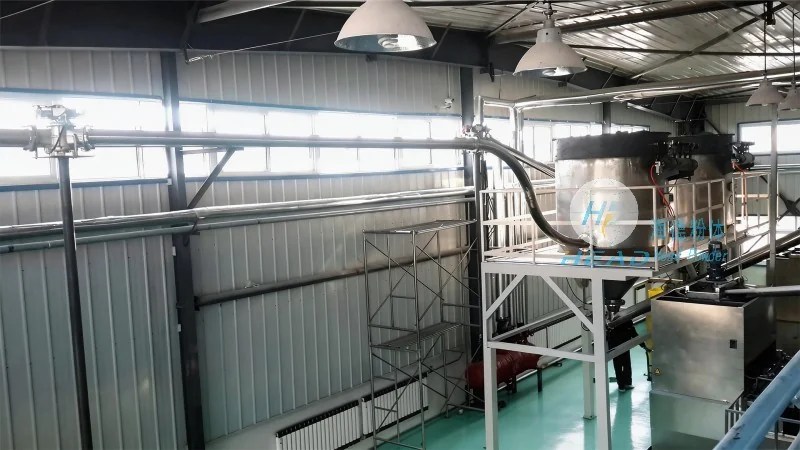
At the heart of a quantitative weighing pneumatic conveying line is the integration of pneumatic transport technology with precise weighing mechanisms. The system operates by using compressed air to move bulk materials through a pipeline network, while simultaneously measuring the mass of the material being conveyed. This dual functionality allows for accurate, real-time control over the quantity of material transferred, ensuring consistent product flow and minimizing waste. The pneumatic conveying process typically involves a hopper, a feeder, a conveying line, and a receiver, with the weighing component often integrated into the feeder or receiver to provide closed-loop control.
Key Components and Their Functions
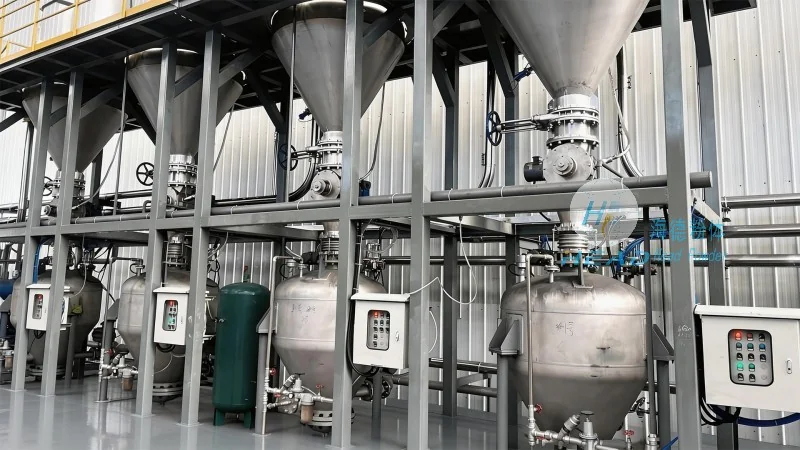
The effectiveness of a quantitative weighing pneumatic conveying line depends on several critical components working in harmony. The hopper serves as the material storage vessel, feeding the material into the system. The feeder, which may be a rotary valve or a screw feeder, regulates the flow rate of material into the conveying line. The conveying line itself is a sealed pipeline that transports the material using compressed air, ensuring minimal product degradation and dust containment. The weighing system, often a load cell or a scale integrated into the receiver, provides the feedback needed to adjust the feeder speed and maintain the desired flow rate. This closed-loop control system ensures that the material is conveyed at a precise rate, matching production requirements and preventing over or under-conveying.
Application Scenarios and Industry Use Cases
Quantitative weighing pneumatic conveying lines are widely adopted across various industries due to their ability to handle a diverse range of materials while maintaining high accuracy. In the chemical industry, these systems are used to transport powders and granules for blending, mixing, and packaging operations, where consistent material ratios are critical for product quality. The food and beverage sector benefits from these systems in handling ingredients like flour, sugar, and spices, ensuring hygienic and accurate dosing for food processing. The pharmaceutical industry relies on quantitative conveying lines for the transport of active pharmaceutical ingredients (APIs) and excipients, where stringent quality control and contamination prevention are paramount. Additionally, in the agricultural and mining sectors, these systems facilitate the efficient movement of bulk materials such as fertilizers, grains, and ores, improving operational efficiency and reducing labor costs.
Advantages in Material Handling Operations
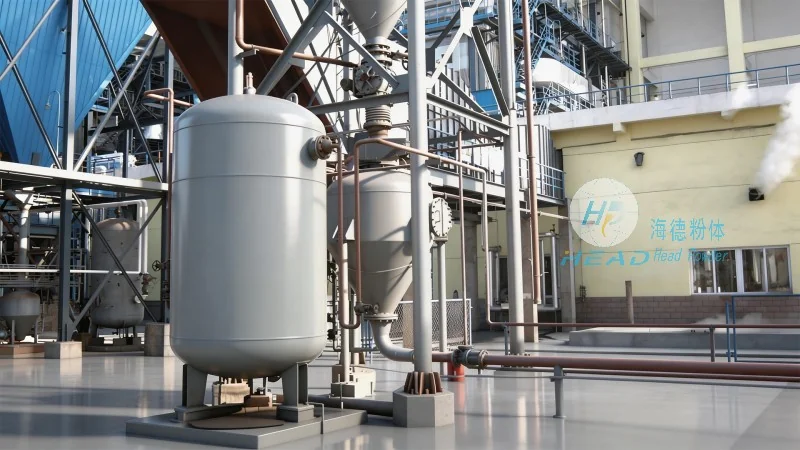
Implementing a quantitative weighing pneumatic conveying line offers several advantages over traditional material handling methods. Firstly, it eliminates the need for manual loading and unloading, reducing human error and improving safety in the workplace. The sealed pipeline design minimizes dust emissions and contamination, which is particularly important for food, pharmaceutical, and chemical products. Secondly, the precise control over material flow enables better inventory management and reduces material waste, leading to cost savings for businesses. Thirdly, the system's flexibility allows for easy integration with existing production lines, making it a suitable upgrade for companies looking to modernize their material handling processes. Furthermore, the compact design of these systems saves valuable floor space, which is a significant consideration in modern industrial facilities.
Conclusion and Practical Considerations
Quantitative weighing pneumatic conveying lines represent a sophisticated solution for accurate and efficient bulk material transport. By combining pneumatic conveying technology with advanced weighing systems, these lines provide industries with a reliable method to manage material flow with precision. As companies continue to prioritize efficiency, quality control, and operational safety, the adoption of such systems becomes increasingly important. HeadPowder, with its expertise in engineering and manufacturing, offers tailored solutions that meet the specific needs of various industries, ensuring optimal performance and long-term reliability in material handling operations.




