For industrial material handling, efficient and reliable conveying systems are crucial. Among the various technologies available, pulse pneumatic conveying lines have emerged as a preferred solution for transporting bulk materials over long distances or within complex production environments. This article explores the fundamental principles behind pulse pneumatic conveying and highlights the key characteristics of its working scenes, with a focus on the expertise of Shandong HeadPowder Engineering Co., Ltd., a leading provider in the field.
Introduction to Pulse Pneumatic Conveying Systems
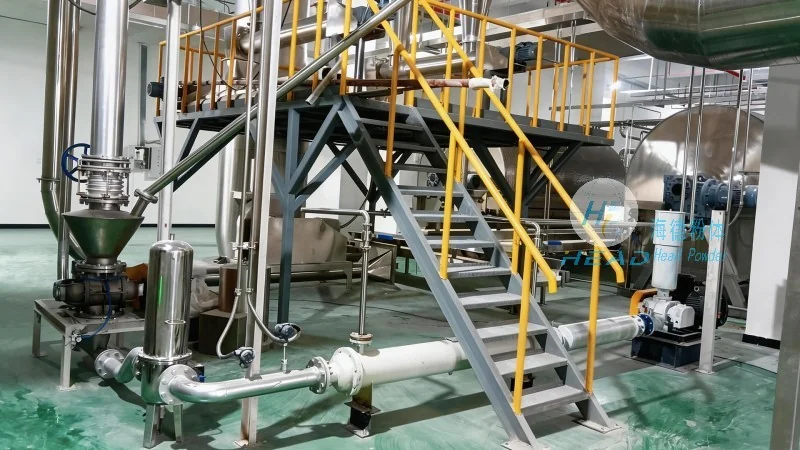
Pulse pneumatic conveying is a method of transporting solid particles through a pipeline using a high-velocity air stream. Unlike continuous air flow systems, pulse conveying utilizes short bursts of compressed air to create a "pulsing" effect, which enhances the mixing and suspension of the material. This technology is particularly effective for handling fine powders, granules, and other dry bulk materials that are prone to caking or segregation. The system typically consists of a hopper, a pulse generator, a pipeline, and a receiver, all working in tandem to ensure smooth material transport.
Core Principle: The Role of Pulse Generation
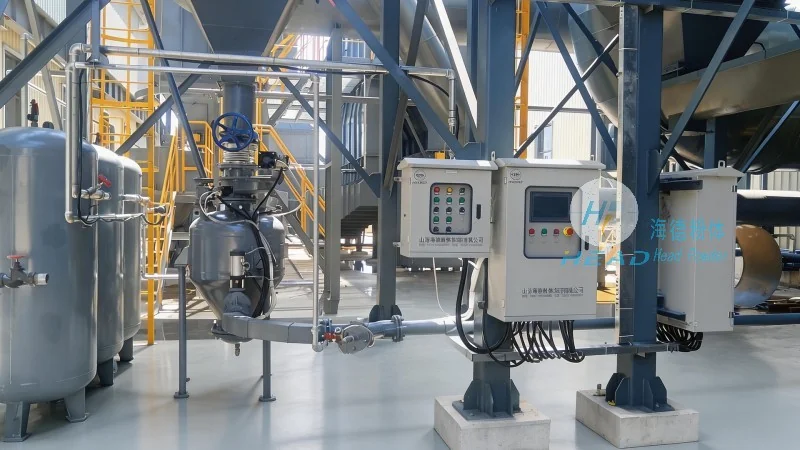
The heart of a pulse pneumatic conveying system lies in the pulse generator, which controls the timing and duration of air pulses. By adjusting the frequency and pressure of these pulses, operators can optimize the conveying efficiency and minimize material degradation. The pulse generator works by rapidly opening and closing a valve, allowing compressed air to enter the pipeline in short bursts. These bursts create a pressure wave that lifts and propels the material particles, preventing them from settling or sticking to the pipeline walls. This mechanism is essential for maintaining consistent flow rates and preventing blockages, especially when handling abrasive or sticky materials.
Working Scene Characteristics: Versatility and Adaptability
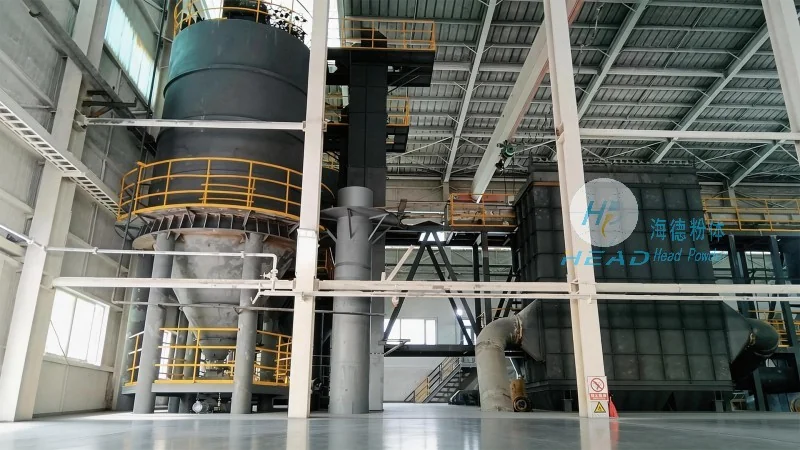
Pulse pneumatic conveying lines are designed to operate in diverse industrial settings, making them suitable for a wide range of applications. The key characteristics of their working scenes include flexibility in pipeline layout, ability to handle vertical and horizontal transport, and compatibility with various material types. For instance, in the chemical industry, these systems are used to transport raw materials like powders and granules to reactors and storage tanks. In the food and pharmaceutical sectors, pulse conveying ensures hygienic and contamination-free material handling, adhering to strict quality standards. The systems can also be integrated with other production equipment, such as mixers, classifiers, and packaging machines, to form a seamless material flow process.
Application Scenarios: Real-World Examples
Shandong HeadPowder Engineering Co., Ltd. has successfully implemented pulse pneumatic conveying systems in numerous industrial projects, demonstrating their effectiveness across different sectors. In a chemical plant, the company designed a system to transport calcium carbonate powder from a silo to a processing unit, achieving a conveying distance of over 100 meters with minimal material loss. In the food industry, a pulse conveying line was installed to handle flour and sugar, ensuring consistent quality and preventing cross-contamination. These case studies highlight the adaptability of pulse pneumatic conveying in addressing specific operational challenges, such as material segregation or pipeline blockage.
Advantages and Considerations for Industrial Use
Compared to traditional conveying methods like screw conveyors or belt conveyors, pulse pneumatic conveying offers several advantages. These include low maintenance costs, reduced material degradation, and the ability to handle abrasive or sticky materials without damage. However, the system requires proper design and maintenance to avoid issues like air leakage or material buildup. Shandong HeadPowder Engineering Co., Ltd. emphasizes the importance of customizing the system to the specific material properties and operational requirements of each client, ensuring optimal performance and longevity.
Conclusion: The Future of Material Handling
As industries continue to demand more efficient and sustainable material handling solutions, pulse pneumatic conveying systems remain a reliable choice. With their ability to handle diverse materials and operate in various working scenes, these systems play a critical role in modern production processes. Shandong HeadPowder Engineering Co., Ltd. continues to innovate and refine pulse pneumatic conveying technologies, providing tailored solutions that meet the evolving needs of industrial clients. By understanding the principles and characteristics of pulse pneumatic conveying, businesses can enhance their operational efficiency and ensure the smooth flow of materials in their production lines.




