For industrial applications involving the transport of bulk materials like compound fertilizers, pneumatic conveying systems offer an efficient and reliable solution. These systems are designed to move powders and granules through a pipeline using air or other gases as the conveying medium. In this article, we will explore the working principles and key features of such systems, focusing on their application in the fertilizer industry.
About Shandong HeadPowder Engineering Co., Ltd.
As a leading manufacturer in the field of material handling equipment, Shandong HeadPowder Engineering Co., Ltd. specializes in the design, development, and production of advanced pneumatic conveying systems. With years of experience and a commitment to quality, the company provides customized solutions tailored to the specific needs of clients in the agricultural and chemical sectors. HeadPowder's expertise lies in optimizing material transport processes, ensuring high efficiency, minimal product degradation, and operational safety.
Working Principle of Pneumatic Conveying Systems
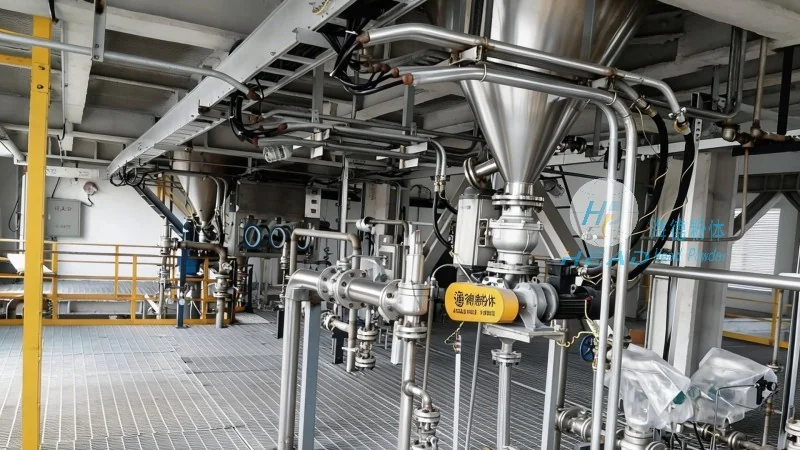
The core mechanism of a pneumatic conveying system involves the use of a blower or compressor to generate airflow within a pipeline. The material to be conveyed is introduced into the system, typically at the inlet or through a feeder, and is then entrained by the moving air stream. The air and material mixture travels through the pipeline to the discharge point, where the material is separated from the air and collected. The system can operate in either positive pressure (pressure conveying) or negative pressure (vacuum conveying) modes, depending on the application requirements and the distance over which the material needs to be transported.
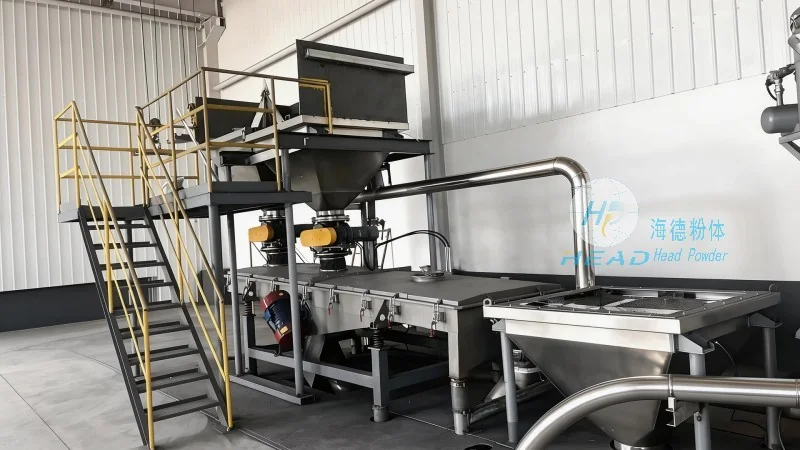
In the case of compound fertilizers, which are often in granular or powdered form, the system must be capable of handling fine particles without causing excessive wear or blockages. The design of the conveying line, including the size of the pipes, the type of fittings, and the velocity of the air, is critical to achieving optimal performance. Properly engineered systems ensure that the material is transported smoothly, with minimal segregation and loss of product quality.
Key Features of Compound Fertilizer Pneumatic Conveying Systems
Several key features distinguish high-performance pneumatic conveying systems for compound fertilizers. First, the system must be designed to handle abrasive materials, as fertilizers can be hard and cause wear on the equipment. This is achieved through the use of durable materials for the pipeline and components, such as stainless steel or special alloys. Second, the system should minimize product degradation, which is crucial for maintaining the quality of the fertilizer. This is accomplished by controlling the air velocity and ensuring that the material is not subjected to excessive shear forces during transport.
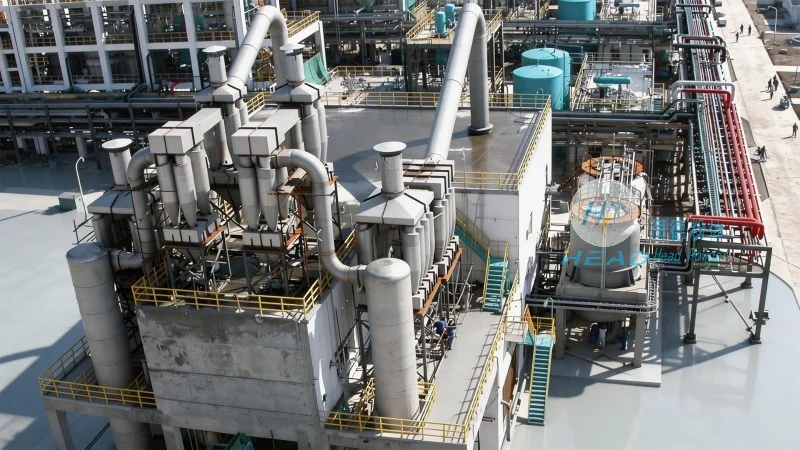
Third, the system must be energy-efficient, as the operation of the blower or compressor accounts for a significant portion of the total energy consumption. Advanced systems incorporate variable frequency drives (VFDs) to adjust the airflow as needed, reducing energy waste. Fourth, the system should be easy to clean and maintain, especially when handling different types of fertilizers or when the system is used for multiple products. This is facilitated by the use of modular components and quick-release fittings.
Additionally, the system may include features such as dust collection and filtration to ensure environmental compliance and operator safety. The use of sealed systems prevents the release of dust into the environment, while the filtration system captures any particles that may escape, ensuring clean air discharge.
Benefits of Using Pneumatic Conveying Systems for Compound Fertilizers
Implementing a pneumatic conveying system for compound fertilizers offers numerous benefits. The primary advantage is the ability to transport materials over long distances without the need for multiple transfer points or manual handling. This reduces labor costs and improves operational efficiency. Additionally, the system minimizes product loss and contamination, as the material is contained within the pipeline throughout the entire transport process.
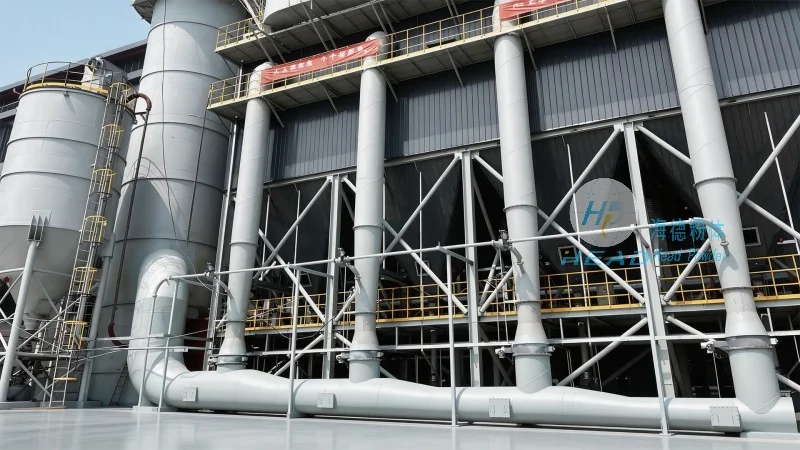
Another significant benefit is the reduction in equipment wear and tear compared to traditional mechanical conveyors. Pneumatic systems have fewer moving parts, which results in lower maintenance costs and longer equipment life. Furthermore, the system can be easily integrated with other processing equipment, such as storage silos and mixing units, creating a seamless material handling workflow.
From an environmental perspective, pneumatic conveying systems are more sustainable than other methods, as they do not require the use of vehicles or other machinery that contribute to emissions. The sealed design also prevents dust from entering the environment, protecting both workers and the surrounding ecosystem.




