Sugar processing is a critical industry that demands efficient and reliable material handling solutions to ensure smooth production workflows. Among the various methods used for transporting bulk materials, pneumatic conveying stands out as a versatile and effective technique, especially for sugar and other similar granular products. This article explores the concept of sugar material pneumatic conveying and delves into the underlying design principles that make such systems efficient and reliable, with insights from Shandong HeadPowder Engineering Co., Ltd., a leading engineering firm specializing in bulk material handling solutions.
Understanding Sugar Material Pneumatic Conveying
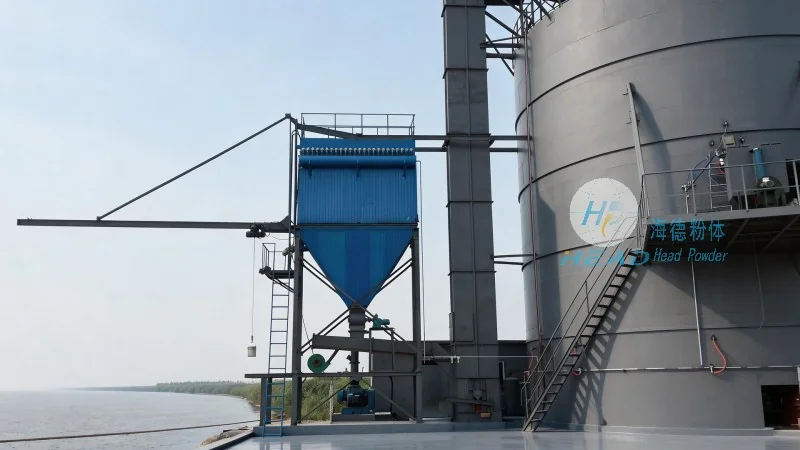
Pneumatic conveying, also known as air conveying, is a process that uses compressed air or other gases to transport bulk materials like sugar from one location to another. Unlike traditional mechanical conveying systems that rely on belts, screws, or buckets, pneumatic systems utilize the force of air to move materials through a pipeline. In the context of sugar processing, this method is particularly advantageous due to the hygienic requirements of the industry and the need for minimal product contamination. The system typically consists of a hopper, a conveyor line, and a receiver, all connected by a network of pipes. As sugar is introduced into the hopper, it is drawn into the conveyor line by the moving air, which carries the material through the system to the desired destination. This process is often used for transporting raw sugar, refined sugar, or other sugar derivatives within a processing plant or between different facilities.
The Core Design Principles of Sugar Material Pneumatic Conveying Systems
The effectiveness of a sugar material pneumatic conveying system is determined by several key design principles that ensure optimal performance, efficiency, and reliability. These principles are tailored to the unique characteristics of sugar, such as its granular size, moisture content, and flowability. The primary design considerations include the selection of appropriate air velocity, the configuration of the pipeline system, and the integration of necessary components like filters, cyclones, and pressure vessels.
Firstly, air velocity is a critical parameter that directly impacts the conveying capacity and efficiency of the system. The velocity must be high enough to overcome the resistance of the sugar particles and maintain a consistent flow through the pipeline. However, excessive velocity can lead to increased energy consumption and potential wear on the system components. Engineers typically calculate the optimal air velocity based on the specific properties of the sugar, such as particle size distribution and bulk density. For sugar materials, the recommended air velocity often ranges between 20 to 30 meters per second, depending on the system design and operational requirements.
Secondly, the pipeline configuration plays a vital role in the system's performance. The layout of the conveyor lines, including the number of bends, vertical and horizontal sections, and the overall length, must be carefully designed to minimize pressure losses and ensure smooth material flow. Vertical lifts, in particular, require higher air velocities to counteract gravity and maintain the material's suspension in the air stream. The use of smooth, corrosion-resistant materials for the pipeline, such as stainless steel or polyethylene, is essential to prevent product buildup and ensure long-term durability. Additionally, the inclusion of expansion joints and flexible connectors helps to accommodate thermal expansion and reduce stress on the system.
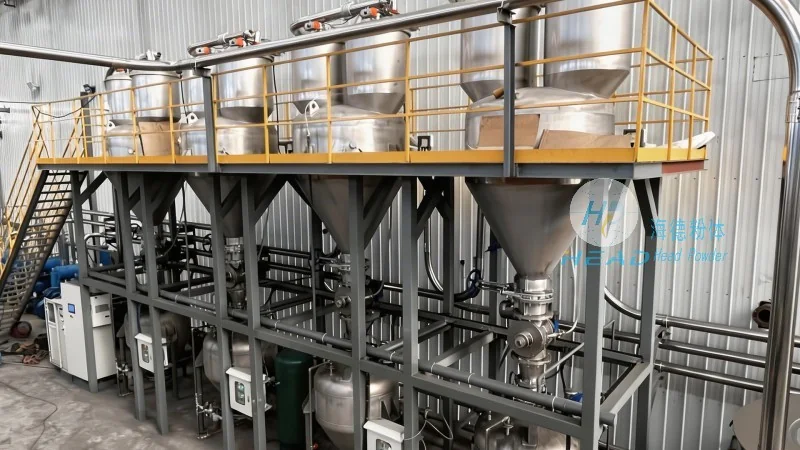
Thirdly, the integration of auxiliary components is crucial for maintaining system efficiency and product quality. Filters are used to remove dust and debris from the air stream, preventing contamination of the sugar and protecting downstream equipment. Cyclones or separators are employed to separate the sugar particles from the air at the receiver end, ensuring that the material is collected in a clean and dry state. Pressure vessels or surge tanks may be incorporated to regulate the flow rate and provide a buffer during periods of high demand or system fluctuations. These components work in conjunction with the main conveying system to ensure consistent performance and minimize downtime.
Key Factors Influencing the Design of Sugar Material Pneumatic Conveying Systems
Several factors must be considered when designing a pneumatic conveying system for sugar materials to ensure it meets the specific needs of the processing facility. These factors include the type of sugar being conveyed, the required conveying distance and capacity, the available space for installation, and the environmental regulations governing the industry. The type of sugar, whether it is raw cane sugar, refined white sugar, or a sugar-based product like sucrose or glucose, affects the system design due to differences in particle size, moisture content, and flow characteristics. For example, raw cane sugar may have larger and more irregular particles, requiring a higher air velocity and more robust pipeline components compared to refined white sugar.
The required conveying distance and capacity are also critical design parameters. Short-distance conveying may use a simple dilute-phase system, where the air-to-material ratio is high, and the material is suspended in the air stream throughout the entire pipeline. For longer distances, a dense-phase system may be more suitable, where the material is conveyed in a slurry-like state with a lower air-to-material ratio. The capacity of the system, measured in tons per hour, must be matched to the production rate of the sugar processing plant to avoid bottlenecks or overloading of the system. Additionally, the available space for the conveyor system, whether it is installed above the ground or underground, influences the design of the pipeline layout and the type of equipment used.
Environmental regulations and hygiene standards are another important consideration in the design of sugar material pneumatic conveying systems. The sugar industry is subject to strict regulations regarding product purity and contamination, which necessitates the use of clean, corrosion-resistant materials and effective filtration systems. The system must also be designed to minimize dust emissions and noise levels, ensuring compliance with local environmental laws. Furthermore, the system should be easy to clean and maintain to prevent product cross-contamination and to ensure long-term operational efficiency.
Advantages and Considerations of Sugar Material Pneumatic Conveying
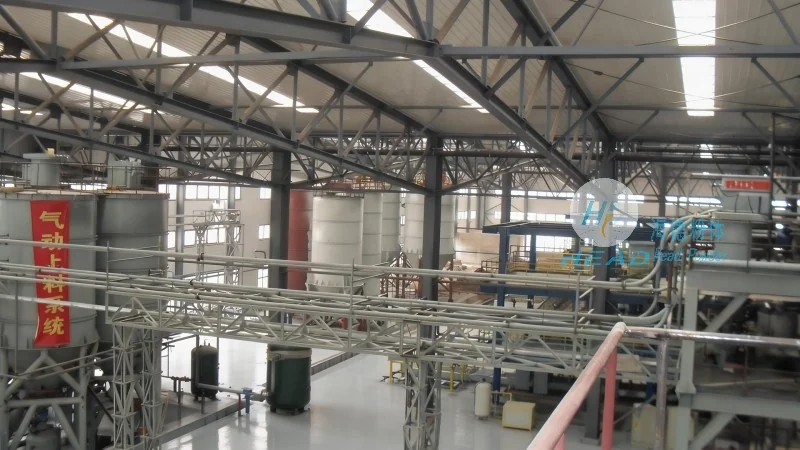
Pneumatic conveying offers several advantages for sugar material handling, making it a preferred choice in many processing facilities. One of the primary benefits is the hygienic nature of the system, which is essential for maintaining the quality and purity of sugar products. Unlike mechanical systems that may introduce contaminants through contact with metal or other materials, pneumatic systems use air to transport the product, reducing the risk of contamination. This is particularly important for food-grade products like sugar, where any contamination can lead to product recalls or regulatory issues.
Another advantage is the flexibility of pneumatic conveying systems. They can be easily integrated into existing processing lines and can be reconfigured to accommodate changes in production requirements or facility layout. The system can handle a wide range of sugar products, from raw materials to finished products, and can transport materials over long distances without the need for intermediate storage or handling. This flexibility makes pneumatic conveying an ideal solution for modern sugar processing plants that require efficient and adaptable material handling solutions.
However, there are also some considerations and challenges associated with pneumatic conveying systems. One of the main challenges is the energy consumption, as compressed air is required to move the material through the pipeline. The energy efficiency of the system can be improved by optimizing the air velocity and pipeline design, but it remains a significant operational cost. Another challenge is the potential for product degradation, particularly if the system is not properly designed or maintained. High air velocities or excessive pressure can cause the sugar particles to break down or become damaged, affecting the quality of the final product. Additionally, the system may be susceptible to blockages or clogs, especially if the sugar contains moisture or other impurities that can cause agglomeration.
Conclusion
Sugar material pneumatic conveying is a sophisticated and effective method for transporting bulk sugar products, and its design principles are tailored to the unique characteristics of the material. By carefully considering factors such as air velocity, pipeline configuration, and auxiliary components, engineers can design a system that meets the specific needs of a sugar processing facility. The advantages of hygienic operation, flexibility, and efficiency make pneumatic conveying a preferred choice in the industry, while the challenges of energy consumption and product handling require careful consideration during the design process. As the sugar industry continues to evolve, the demand for efficient and reliable material handling solutions will remain high, and pneumatic conveying systems will continue to play a vital role in ensuring the smooth operation of processing plants.




