HeadPowder, a leading enterprise in the field of material handling technology, specializes in the design, manufacturing, and installation of pneumatic conveying systems for cement and other fine particulate materials. This article provides an in-depth exploration of the working principle and key features of such systems, highlighting their efficiency, reliability, and adaptability for industrial applications.
Understanding the Working Principle of Cement Particle Pneumatic Conveying Systems
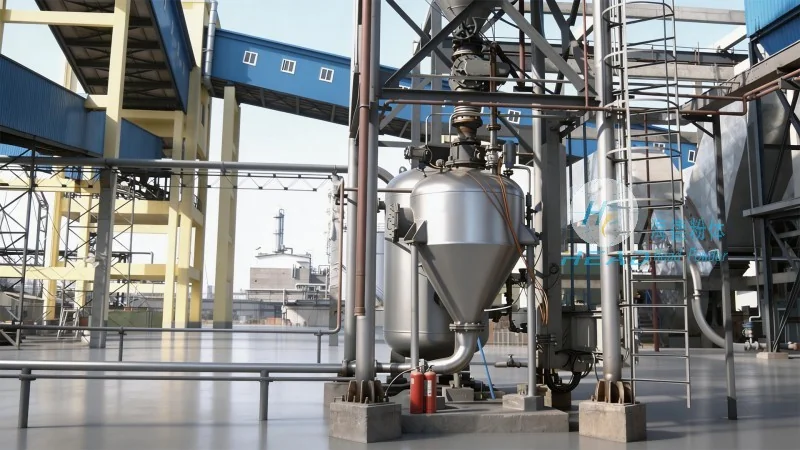
The core of a cement particle pneumatic conveying system lies in its ability to transport dry, free-flowing materials like cement through a pipeline using a combination of air and pressure. The system typically operates on the principle of creating a low-pressure or high-pressure environment within the pipeline, which draws the material into the conveying line. This is achieved through a series of components, including a hopper, feeder, air compressor, and conveying line, all working in concert to ensure smooth material movement.
First, the cement is stored in a hopper, which is equipped with a feeder mechanism to control the flow rate. The feeder then releases the material into the conveying line, where it is mixed with air from the compressor. The air, under pressure, propels the cement particles through the pipeline, overcoming resistance and ensuring consistent delivery to the destination. The system may use either positive pressure (where air pushes the material) or negative pressure (where air pulls the material), depending on the specific application and system design. HeadPowder's expertise in system design allows for the selection of the most appropriate pressure type to optimize performance and energy efficiency.
Key Features of Cement Particle Pneumatic Conveying Systems
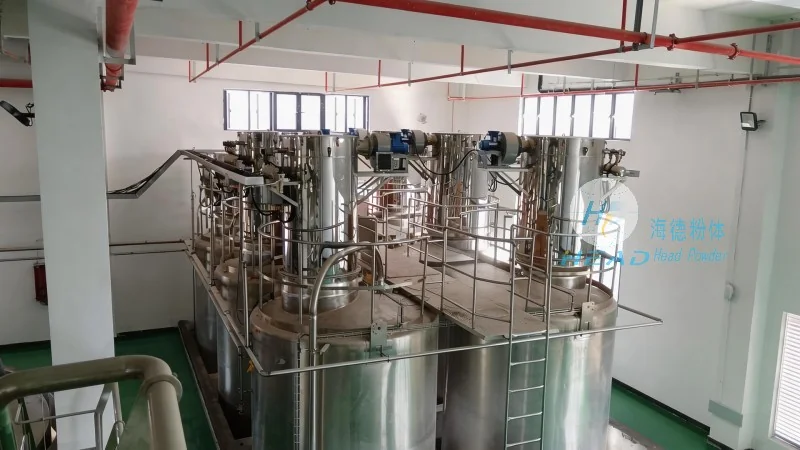
HeadPowder's pneumatic conveying systems for cement particles are characterized by several advanced features that enhance their functionality and operational benefits. One of the primary advantages is the system's ability to handle high volumes of material with minimal maintenance. The use of robust materials and precision-engineered components ensures durability and long service life, reducing downtime and operational costs for industrial facilities.
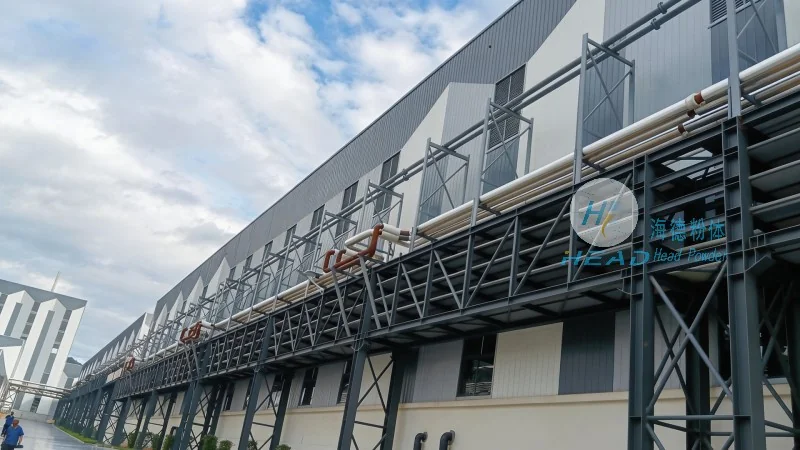
Another notable feature is the system's flexibility in terms of layout and integration. HeadPowder designs systems that can be customized to fit various plant configurations, allowing for seamless integration with existing infrastructure. This adaptability is crucial for industrial applications where space and operational constraints are significant factors. The systems also offer precise control over material flow, enabling accurate dosing and delivery, which is essential for processes that require consistent material quality and quantity.
Furthermore, the systems are designed with energy efficiency in mind. By optimizing air pressure and flow rates, HeadPowder's solutions minimize energy consumption while maintaining high conveying efficiency. This not only reduces operational costs but also aligns with modern industrial sustainability goals. The use of advanced control systems and monitoring tools allows for real-time performance tracking, ensuring optimal operation and early detection of potential issues.
Reliability and Safety in Cement Pneumatic Conveying
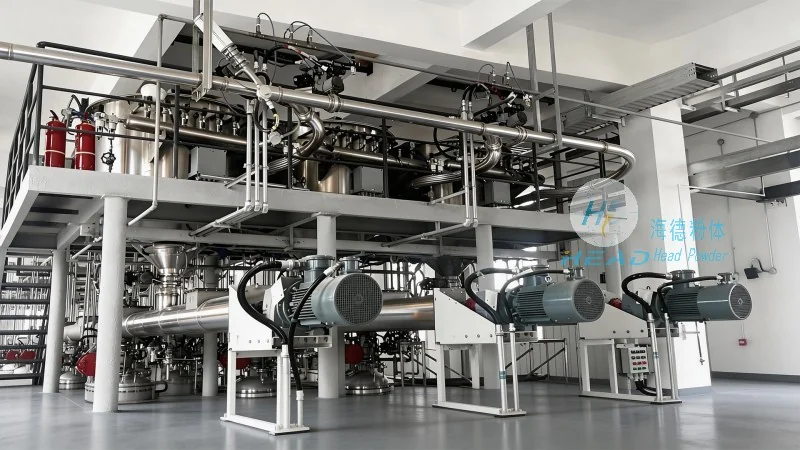
Reliability and safety are paramount in industrial material handling, and HeadPowder's systems are engineered to meet the highest standards. The use of explosion-proof components and advanced safety features ensures that the systems operate safely even in environments with potential dust hazards. Regular maintenance and quality control measures are integral to the system's design, ensuring consistent performance and minimizing the risk of failures.
HeadPowder's commitment to quality is reflected in the materials used and the manufacturing processes employed. The company adheres to strict quality standards, ensuring that each system is built to withstand the rigors of industrial use. This focus on quality and reliability has made HeadPowder a trusted partner for many industries, including cement manufacturing, where consistent and efficient material transport is critical to production efficiency.




