Desulfurizer material handling systems are critical components in industrial processes, particularly in power generation and chemical manufacturing where flue gas desulfurization is essential to reduce sulfur dioxide emissions. These systems are designed to efficiently transport desulfurizer materials, such as limestone or other absorbents, from storage to the point of use in the desulfurization process. Understanding the working principle and key features of such equipment is vital for optimizing operational efficiency and ensuring compliance with environmental regulations.
Working Principle of Desulfurizer Material Handling Systems
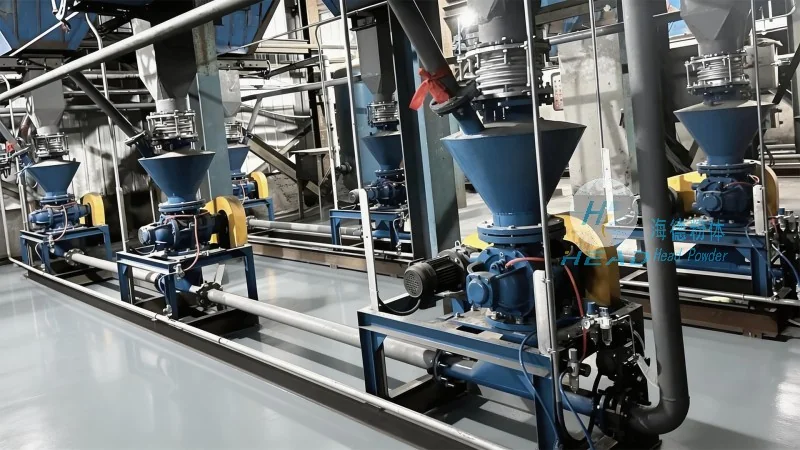
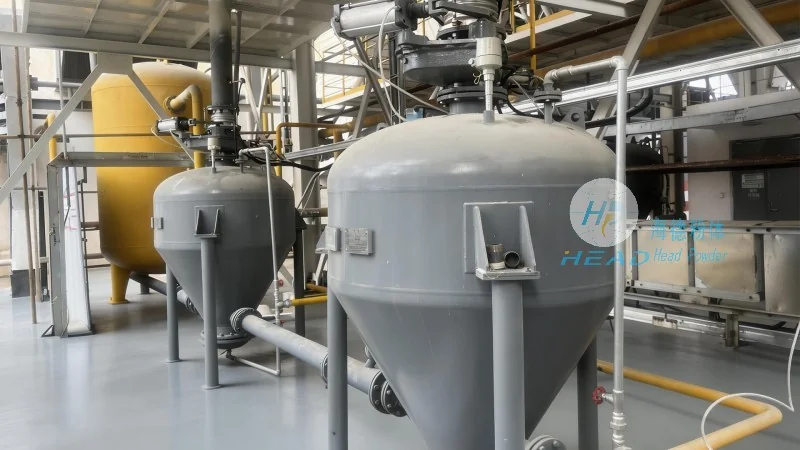
The desulfurizer material handling system typically consists of several interconnected components, each playing a specific role in the material transport process. The primary working principle involves the use of mechanical or pneumatic equipment to move bulk materials through a controlled pathway. For instance, in many industrial applications, a combination of belt conveyors, screw conveyors, and pneumatic conveyors is employed to handle desulfurizer powders or slurries. The system starts with material storage, often in silos or hoppers, where the desulfurizer is held under controlled conditions to prevent moisture absorption or degradation. From the storage unit, the material is transferred to a feeding mechanism, which regulates the flow rate to the subsequent transport equipment. The transport equipment then moves the material to the desulfurization reactor or absorber, where it reacts with flue gases to remove sulfur compounds. The entire process is often automated, with sensors and control systems monitoring parameters like flow rate, pressure, and material level to ensure smooth operation and prevent blockages or overflows. Safety features, such as dust suppression systems and emergency stop mechanisms, are integrated to protect operators and maintain environmental safety.
Key Features of Desulfurizer Material Handling Systems
Desulfurizer material handling systems are engineered with several key features that enhance their performance and reliability. One of the most notable features is their ability to handle abrasive and dusty materials without significant wear or degradation. This is achieved through the use of high-quality materials for the conveyor components, such as stainless steel or special alloys, which resist corrosion and abrasion from the desulfurizer particles. Another critical feature is the system's adaptability to different material characteristics. For example, some systems can handle dry powders, while others are designed to transport slurries or wet materials, making them versatile for various industrial applications. The systems also incorporate energy-efficient designs, such as variable speed drives for conveyors, which adjust the speed based on the material load to minimize energy consumption. Additionally, advanced control systems enable real-time monitoring and adjustment of the material flow, ensuring consistent performance and reducing downtime. Maintenance-friendly designs are also a key feature, with easy access to components for inspection and repair, which helps in reducing maintenance costs and extending the system's lifespan. The integration of safety features, including dust collection and explosion-proof designs, further enhances the system's reliability and compliance with safety standards.
About Shandong HeadPowder Engineering Co., Ltd.
Shandong HeadPowder Engineering Co., Ltd., a leading manufacturer of industrial material handling equipment, specializes in providing customized desulfurizer material handling systems tailored to the specific needs of clients. With a strong presence in China, particularly in Shandong province, the company leverages decades of experience in engineering and manufacturing to deliver high-quality, reliable systems. The company's commitment to innovation and customer satisfaction is reflected in its state-of-the-art production facilities and rigorous quality control processes. By focusing on the unique requirements of each project, Shandong HeadPowder Engineering Co., Ltd. ensures that its desulfurizer material handling systems meet the highest standards of performance, efficiency, and safety. The company's team of experienced engineers and technicians work closely with clients to design and implement solutions that optimize material transport, reduce operational costs, and enhance overall process efficiency. With a focus on sustainability and environmental compliance, Shandong HeadPowder Engineering Co., Ltd. plays a vital role in supporting industries in their efforts to reduce emissions and meet regulatory requirements.
Applications and Benefits of Desulfurizer Material Handling Systems
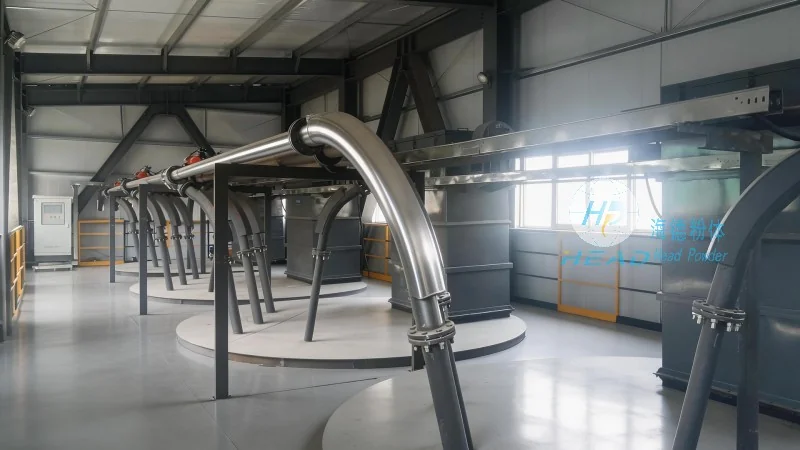
Desulfurizer material handling systems are widely used in various industrial sectors, including power generation, chemical manufacturing, and industrial boilers. In power plants, these systems are essential for transporting limestone or other absorbents to the flue gas desulfurization (FGD) units, where they react with sulfur dioxide to form gypsum, a byproduct that can be used in construction materials. The benefits of using such systems include improved operational efficiency, reduced material loss, and enhanced safety for operators. By automating the material transport process, industries can achieve consistent flow rates, minimize human error, and reduce the risk of accidents. The systems also contribute to environmental sustainability by ensuring that desulfurizer materials are used effectively, reducing the amount of sulfur dioxide released into the atmosphere. Furthermore, the adaptability of these systems allows them to be integrated into existing industrial processes with minimal disruption, making them a cost-effective solution for upgrading or expanding desulfurization capabilities. The reliability and durability of modern desulfurizer material handling systems ensure long-term performance, even in harsh industrial environments, providing a solid foundation for sustainable industrial operations.




