Bottom-discharge powder conveying lines are specialized industrial systems designed for the efficient and reliable transportation of bulk powders from storage silos or hoppers to processing equipment. These systems are commonly used in industries such as pharmaceuticals, food processing, chemical manufacturing, and mining, where the handling of fine or cohesive powders requires precise control and minimal product degradation. The design of these lines is tailored to address the unique challenges of powder flow, ensuring consistent performance and safety in various operational conditions.
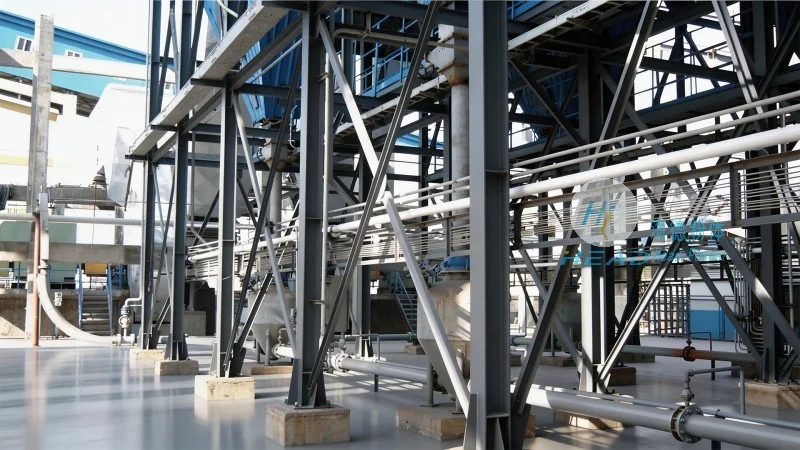
Company Overview: Shandong HeadPowder Engineering Co., Ltd.
As a leading provider of powder handling solutions, Shandong HeadPowder Engineering Co., Ltd. specializes in the design, manufacturing, and installation of advanced bottom-discharge powder conveying systems. With a focus on innovation and customer-centric solutions, the company has established itself as a trusted partner for businesses seeking to optimize their powder processing operations. HeadPowder's expertise lies in understanding the specific requirements of different industries and delivering customized solutions that enhance productivity, reduce downtime, and improve overall operational efficiency.
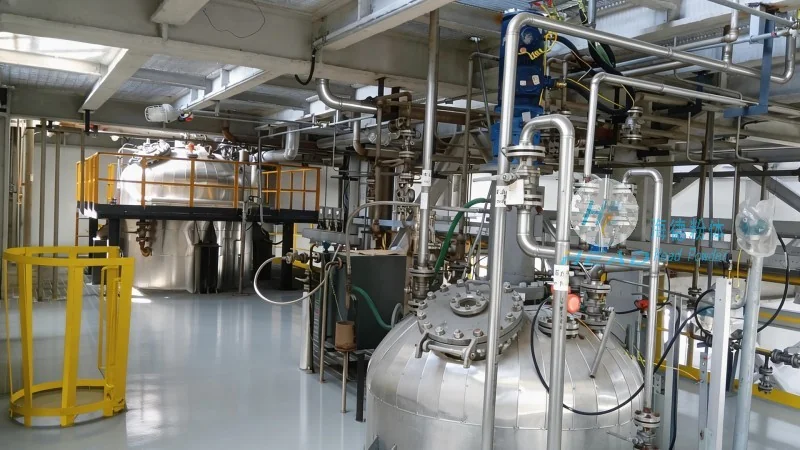
Working Principle of Bottom-Discharge Powder Conveying Lines
The core mechanism of a bottom-discharge powder conveying line involves the use of a hopper or silo equipped with a discharge valve at the bottom. This valve, often controlled by a pneumatic or electric actuator, regulates the flow of powder from the storage vessel into the conveying line. The powder then travels through a series of components, including a flexible hose or rigid pipe, which may incorporate features like agitators or vibrators to prevent clogging and ensure smooth flow. The conveying system typically uses a combination of gravity and air pressure (or vacuum) to move the powder, with the air flow being carefully managed to maintain the desired velocity and prevent particle separation or degradation. The process begins when the discharge valve opens, allowing the powder to enter the conveying line. The air, introduced through a blower or compressor, creates a flow that carries the powder particles along the pipe. The velocity of the air is critical; it must be sufficient to keep the powder suspended but not so high as to cause excessive wear on the equipment or degrade the powder quality. The system may also include a filter or separator to remove any entrained air or fine particles before the powder reaches the destination point, such as a mixer, reactor, or packaging machine.
Key Features of Bottom-Discharge Powder Conveying Lines
Bottom-discharge powder conveying lines offer several distinct advantages that make them ideal for a wide range of industrial applications. One of the primary features is their ability to handle a variety of powder types, including fine, cohesive, or abrasive materials, without causing blockages or product contamination. The design of the conveying line, particularly the use of flexible hoses or special liners, minimizes the risk of material buildup and ensures consistent flow rates. Another key feature is the integration of control systems that allow for precise regulation of the powder discharge rate. This is achieved through the use of sensors and actuators that monitor the flow and adjust the valve position accordingly, enabling operators to maintain optimal processing conditions. Additionally, the systems are designed for easy maintenance and cleaning, with components that can be disassembled and sanitized to meet regulatory requirements, especially in industries like pharmaceuticals and food processing. The compact design of these lines also allows for installation in confined spaces, making them suitable for retrofitting into existing facilities. Furthermore, the use of energy-efficient components, such as variable speed drives for the blower, helps reduce operational costs while maintaining performance. The overall reliability of the system is enhanced by the use of durable materials, such as stainless steel or food-grade plastics, which resist corrosion and wear from the powder being conveyed.
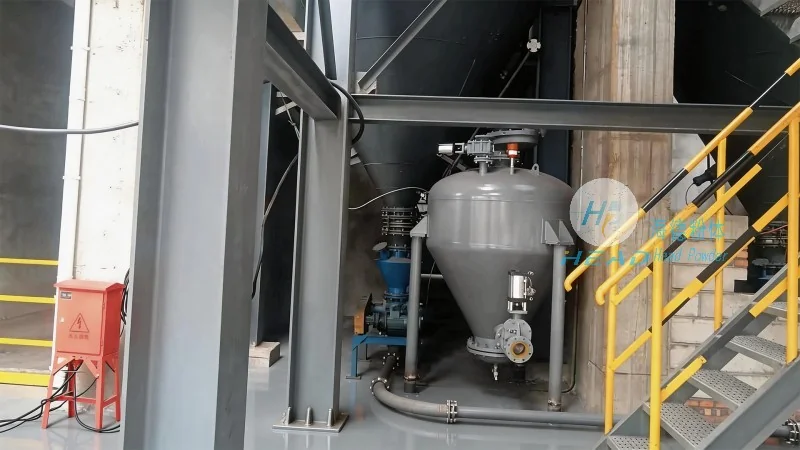
Applications and Benefits in Different Industries
The versatility of bottom-discharge powder conveying lines makes them applicable across multiple sectors. In the pharmaceutical industry, these systems are used to transport active pharmaceutical ingredients (APIs) and excipients from storage to manufacturing lines, ensuring that the powders are handled under sterile and controlled conditions. The ability to maintain low temperatures and prevent contamination is crucial, and the design of these lines, with features like temperature-controlled hoses and sealed connections, addresses these needs effectively. In the food processing industry, similar systems are employed to handle ingredients like flour, sugar, and spices, where hygiene and product purity are paramount. The systems are often equipped with sanitary components that meet FDA or EU regulations, ensuring compliance with food safety standards. In chemical manufacturing, the lines are used to transport reactive powders, where the control of flow and temperature is critical to prevent accidents or product degradation. The ability to adjust the air flow and pressure allows for precise control over the reaction process, enhancing safety and efficiency. In mining and mineral processing, bottom-discharge systems are used to transport raw materials such as ores and coal from storage silos to processing equipment. The robust design of these lines, with heavy-duty components and abrasion-resistant materials, withstands the harsh conditions of mining operations, ensuring long-term reliability and minimal maintenance.




