

Working Principle and Features of Phosphate Sodium Pneumatic Conveying
Phosphate sodium, a crucial chemical compound widely used in various industrial applications, often requires efficient and reliable material handling solutions. Pneumatic conveying, particularly in the form of phosphate sodium pneumatic conveying systems, offers an effective method for transporting this material. This article delves into the working principle and key characteristics of such systems, providing insights into their functionality and benefits.
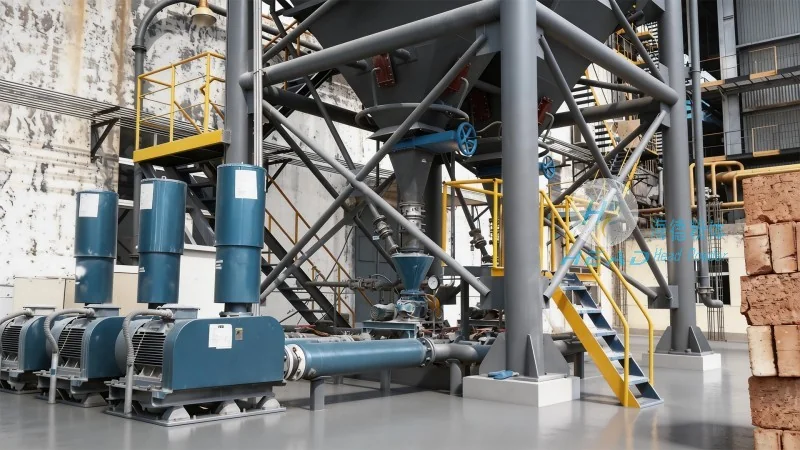
Company Introduction
Shandong HeadPowder Engineering Co., Ltd., commonly known as HeadPowder, is a professional manufacturer and supplier specializing in pneumatic conveying equipment. With a strong commitment to quality and innovation, the company has established itself as a trusted partner in the chemical processing industry. HeadPowder's headquarters is located in Shandong, China, where the company leverages advanced technology and expertise to develop customized solutions for diverse material handling needs.
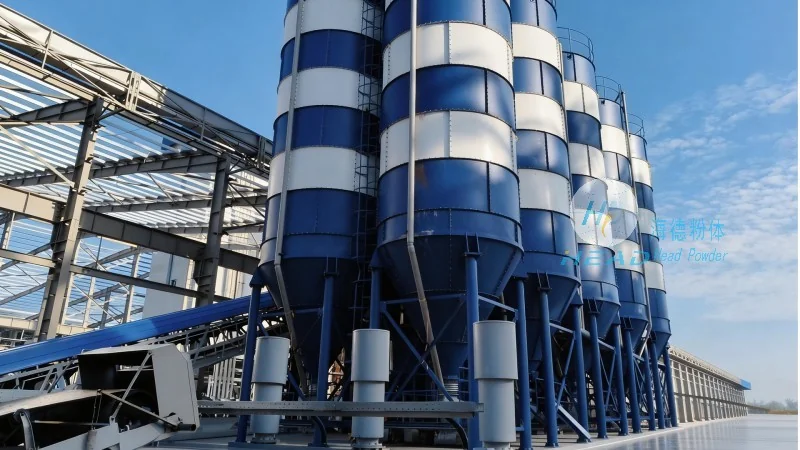
Working Principle of Phosphate Sodium Pneumatic Conveying
The core of phosphate sodium pneumatic conveying lies in the use of air or gas to transport the material through a pipeline system. The process typically involves several key components and steps. First, the phosphate sodium is introduced into a hopper or feeder, where it is then fed into the conveying line. A blower or compressor generates the necessary airflow, which creates a pressure differential within the pipeline. This differential draws the material particles into the air stream, forming a dense phase or dilute phase flow depending on the system design. The material is then transported through the pipeline to the destination point, such as a storage silo or processing unit. The system may include features like cyclones, filters, and control valves to manage the material flow and ensure efficient operation. The entire process is automated, allowing for consistent and continuous material transport without the need for manual intervention.
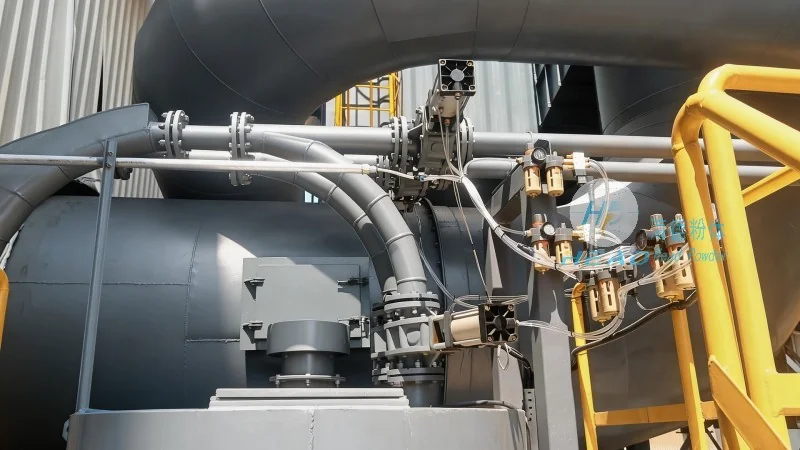
Key Characteristics of Phosphate Sodium Pneumatic Conveying Systems
Phosphate sodium pneumatic conveying systems exhibit several notable characteristics that make them suitable for handling this specific material. One of the primary advantages is the ability to transport the material in a closed system, which helps maintain product integrity and prevents contamination from external factors. The closed pipeline design also reduces dust emissions, contributing to a cleaner and safer working environment. Additionally, these systems offer high transport efficiency, with the ability to move large quantities of material over considerable distances with minimal energy consumption. The flexibility of the system allows for easy integration with existing production lines and can be adapted to handle varying material flow rates and particle sizes. Another significant characteristic is the reduced risk of material degradation, as the enclosed system minimizes exposure to air and moisture, which can affect the quality of phosphate sodium. Furthermore, the system's design enables easy maintenance and cleaning, ensuring long-term operational reliability. The use of advanced control systems provides precise regulation of airflow and material feed, optimizing performance and reducing operational costs.
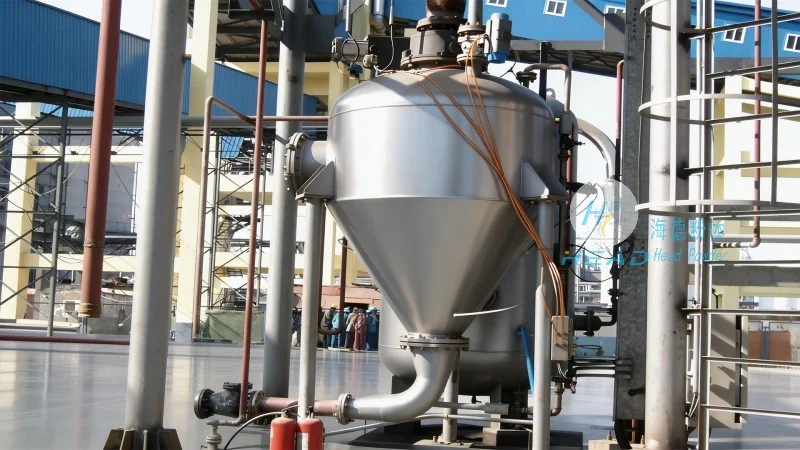
Applications and Benefits in Industrial Settings
Phosphate sodium pneumatic conveying systems find widespread application in industries that rely on the handling of phosphate-based chemicals. These include fertilizer production, where phosphate sodium is used as a raw material for phosphoric acid and other fertilizer formulations. In the food and beverage industry, phosphate sodium is utilized as a food additive, and the conveying system ensures hygienic and efficient transport of the material to processing facilities. The pharmaceutical industry also benefits from these systems when handling phosphate-based excipients or active ingredients. The benefits of using pneumatic conveying for phosphate sodium extend beyond mere material transport. The closed system design enhances safety by preventing dust explosions and minimizing health risks associated with inhalation of fine particles. The energy efficiency of the system contributes to lower operational costs, making it a cost-effective solution for large-scale production. The flexibility and adaptability of the system allow manufacturers to scale operations as needed, supporting growth and expansion in the industry. Overall, phosphate sodium pneumatic conveying systems provide a reliable, efficient, and safe method for handling this important chemical compound, supporting the productivity and sustainability of industrial processes.