

Working Principle and Characteristics of Calcium Carbonate Pneumatic Conveying
Calcium carbonate is a fundamental industrial material utilized across numerous sectors, including manufacturing, construction, and chemical processing. The efficient handling and transportation of calcium carbonate are critical to maintaining production efficiency and product quality. Pneumatic conveying has emerged as a highly effective method for transporting calcium carbonate, offering advantages over traditional mechanical or gravity-based systems. This article delves into the working principle and key characteristics of calcium carbonate pneumatic conveying systems, with a focus on the expertise of Shandong HeadPowder Engineering Co., Ltd., a prominent provider in the field.
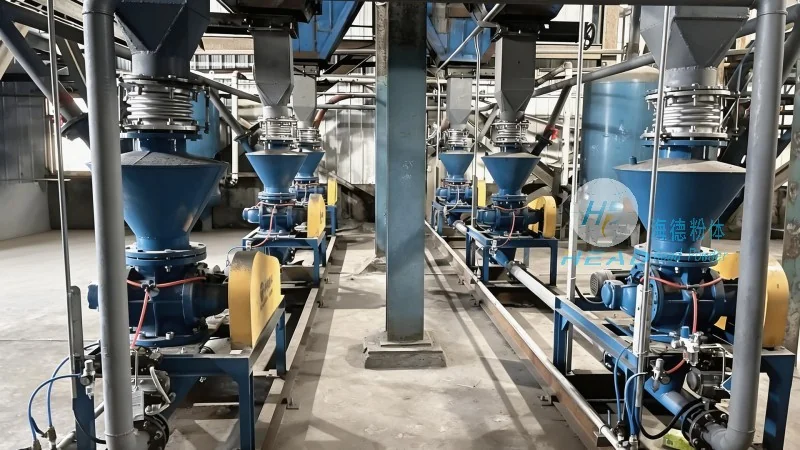
Working Principle of Calcium Carbonate Pneumatic Conveying
The fundamental mechanism of calcium carbonate pneumatic conveying involves using air as the primary conveying medium to transport material particles. The system typically comprises several essential components: a material hopper for storing calcium carbonate, a rotary valve to control the flow of material into the conveying line, a fan or blower to generate the necessary airflow, and a receiver or discharge point for the material. When the system is activated, the rotary valve releases calcium carbonate particles into the conveying line. Simultaneously, the fan or blower creates a high-velocity airflow within the pipeline. This airflow lifts and propels the calcium carbonate particles through the line, delivering them to the intended destination. The conveying process can operate under positive pressure (where air is forced into the line) or negative pressure (where air is drawn out), depending on the specific application and system design. The effectiveness of the conveying process is influenced by factors such as particle size, moisture content, and air velocity, which must be optimized to ensure smooth and reliable transport without material degradation or system blockages.
Key Characteristics of Calcium Carbonate Pneumatic Conveying
Calcium carbonate pneumatic conveying systems exhibit several distinctive characteristics that make them well-suited for industrial applications. Firstly, they provide high conveying efficiency, capable of transporting substantial volumes of material over considerable distances with relatively low energy consumption. The technology is also highly adaptable, allowing for the handling of a wide range of particle sizes and shapes, from fine powders to coarse granules. Another critical characteristic is the ability to maintain product integrity, as the enclosed system prevents contamination and dust dispersion, which is vital for preserving the quality of calcium carbonate products. Additionally, pneumatic conveying systems can be integrated seamlessly with other processing equipment, such as mixers, classifiers, and packaging units, to form a comprehensive production line. The flexibility of these systems to accommodate varying production scales and environmental conditions further enhances their practicality in industrial settings.
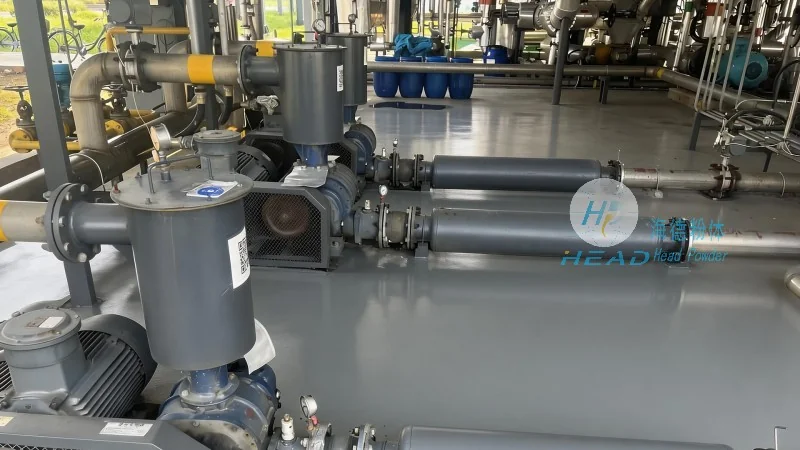
Advantages of Implementing Pneumatic Conveying for Calcium Carbonate
Adopting pneumatic conveying for calcium carbonate handling offers numerous benefits. One of the primary advantages is the reduction in labor costs and operational complexity compared to manual or mechanical conveying methods. The automated system minimizes the need for manual material handling, thereby improving workplace safety and reducing the risk of material exposure. Furthermore, the enclosed nature of pneumatic conveying systems aids in controlling dust and preventing environmental pollution, aligning with modern industrial standards for sustainability. The technology also enables precise control over the conveying rate and material flow, which is essential for maintaining consistent product quality and production throughput. In addition, the flexibility of the system allows for easy modifications or expansions, accommodating changes in production requirements without significant downtime or capital investment.
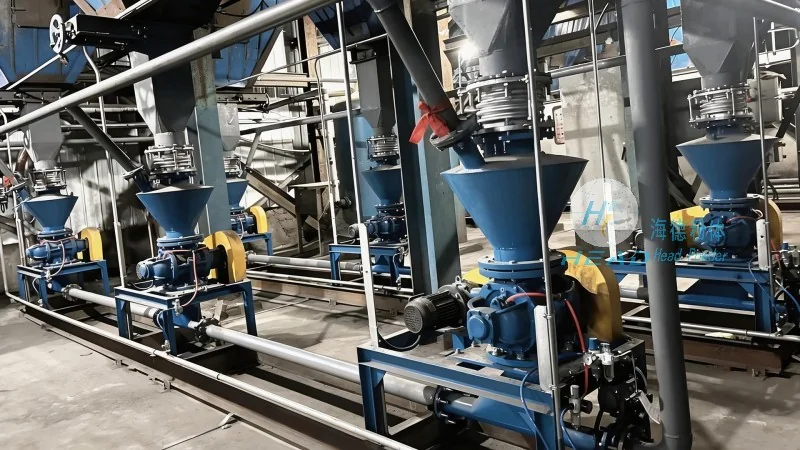
Application Examples in Calcium Carbonate Processing
Calcium carbonate pneumatic conveying is widely applied across various stages of calcium carbonate processing. For example, in the production of calcium carbonate-based pigments or fillers, the system efficiently transports raw materials from storage silos to grinding and classification equipment. In the manufacturing of paper and plastics, calcium carbonate is conveyed from processing units to blending and packaging lines. The technology is also utilized in the production of calcium carbonate-based coatings and adhesives, where precise control over the material's particle size and distribution is critical. These applications highlight the versatility and reliability of pneumatic conveying systems in supporting the entire production cycle of calcium carbonate products.
Conclusion and Company Overview
Calcium carbonate pneumatic conveying represents a sophisticated and efficient method for material handling, characterized by its ability to transport large volumes of material with minimal energy and maintenance. The working principle, which relies on air as the conveying medium, ensures smooth and reliable transport, while the key characteristics, such as flexibility, product integrity, and adaptability, make it suitable for diverse industrial applications. Shandong HeadPowder Engineering Co., Ltd., with its expertise in pneumatic conveying systems, provides comprehensive solutions tailored to the specific needs of calcium carbonate processing industries. Based in Shandong, China, the company leverages advanced technology and engineering knowledge to deliver high-quality conveying systems that enhance operational efficiency and product quality. By understanding the working principle and characteristics of calcium carbonate pneumatic conveying, industries can optimize their material handling processes and achieve greater productivity and sustainability.