

What is a Pharmaceutical Bulk Material Pneumatic Conveying System? And What Are Its Design Principle
Pharmaceutical bulk material pneumatic conveying systems are specialized equipment used in the pharmaceutical industry to transport powders and granules safely and efficiently. These systems are crucial for maintaining the integrity of pharmaceutical materials, ensuring compliance with stringent regulatory standards, and optimizing production processes. Understanding the fundamentals of such systems, including their design principles, is essential for pharmaceutical manufacturers seeking to enhance operational efficiency and product quality.
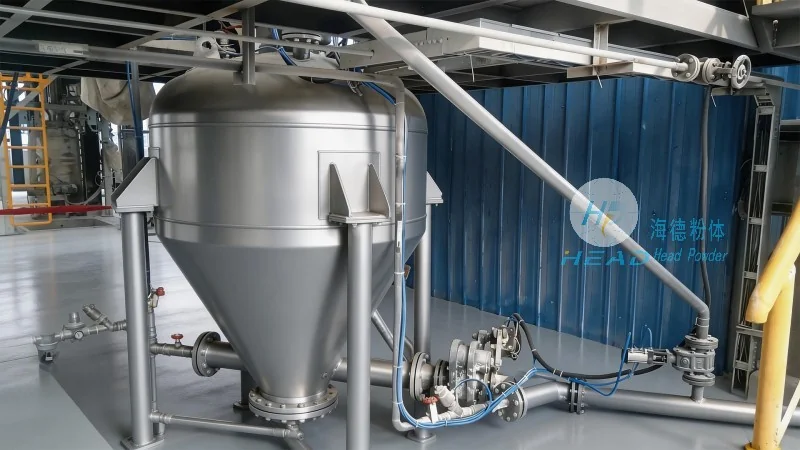
HeadPowder, a leading provider in the field, specializes in the design, manufacturing, and integration of advanced pneumatic conveying solutions tailored to the unique demands of the pharmaceutical sector. With a strong presence in Shandong, China, HeadPowder Engineering Co., Ltd. has established itself as a trusted partner for pharmaceutical companies worldwide.
What is a Pharmaceutical Bulk Material Pneumatic Conveying System?
A pharmaceutical bulk material pneumatic conveying system utilizes air or other gases to transport solid materials like powders, granules, or fine particles from one location to another. Unlike traditional mechanical conveying methods, which rely on belts, screws, or buckets, pneumatic systems offer several advantages, including minimal product contamination, low maintenance requirements, and the ability to handle materials with high moisture content or sensitivity to moisture. The system typically consists of a hopper for material storage, a conveyor line (either positive or negative pressure), and a receiver for the discharged material. The air flow is controlled by a blower or compressor, which creates the necessary pressure differential to move the material through the system.
Key Design Principles of Pharmaceutical Pneumatic Conveying Systems
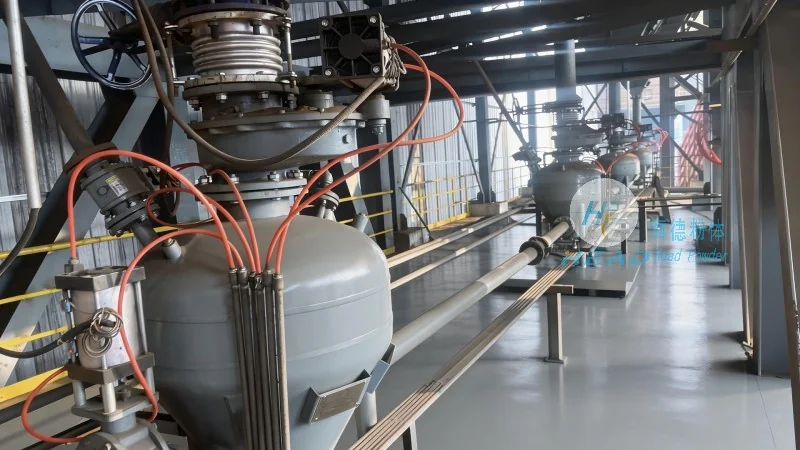
The design of a pharmaceutical pneumatic conveying system is governed by several critical principles to ensure optimal performance, safety, and compliance. First, the system must be constructed from materials that are compatible with pharmaceutical products and meet regulatory requirements, such as stainless steel or food-grade plastics, to prevent contamination and ensure product purity. Second, the system must be designed to minimize product degradation, which is particularly important for heat-sensitive or moisture-sensitive materials. This involves controlling the air temperature and velocity to avoid excessive friction or heat generation. Third, the system must incorporate features for easy cleaning and maintenance, such as CIP (Clean-In-Place) and SIP (Sterilize-In-Place) capabilities, to maintain aseptic conditions and comply with GMP (Good Manufacturing Practice) standards. Fourth, the system must be equipped with safety devices, including pressure relief valves, dust collectors, and emergency shut-off mechanisms, to prevent accidents and protect personnel and equipment.
Components and Working Mechanism
The core components of a pharmaceutical pneumatic conveying system include the material hopper, feeder, air supply unit, conveying line, and material receiver. The hopper stores the bulk material and feeds it to the system via a feeder, which controls the flow rate. The air supply unit, typically a blower or compressor, generates the air pressure needed to move the material. The conveying line, which can be either positive or negative pressure, transports the material and air mixture. In positive pressure systems, air is forced through the line, carrying the material, while in negative pressure systems, the line is under vacuum, drawing the material into the system. The material receiver collects the discharged material and may include a filter to separate the material from the air. The air is then filtered and returned to the system or discharged to the environment, depending on the system design.
Advantages of Pharmaceutical Pneumatic Conveying Systems
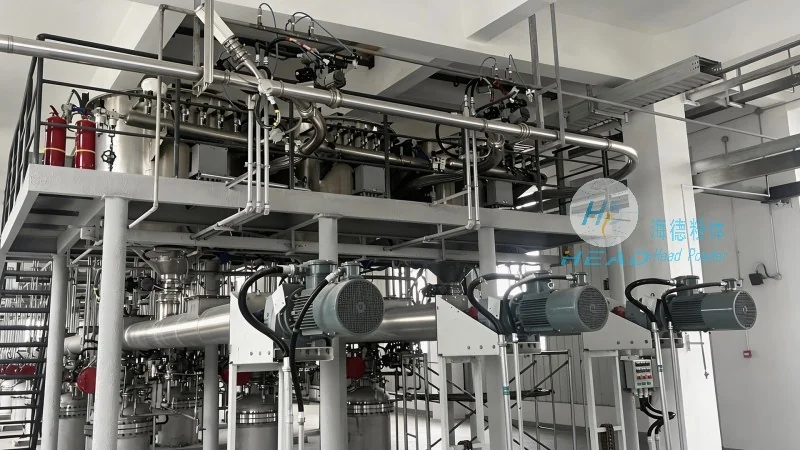
Pharmaceutical pneumatic conveying systems offer several advantages over traditional mechanical conveying methods. First, they provide a hygienic and contamination-free environment, which is critical for pharmaceutical products that require high purity. Second, they are highly flexible and can be easily integrated into existing production lines, allowing for changes in material flow or processing requirements. Third, they are compact and require less floor space compared to mechanical systems, making them suitable for facilities with limited space. Fourth, they are low-maintenance, as they have fewer moving parts and are less prone to wear and tear. Finally, they can handle a wide range of materials, including powders, granules, and fine particles, with varying properties such as moisture content, density, and flowability.
Applications in the Pharmaceutical Industry
Pharmaceutical pneumatic conveying systems are widely used in various stages of pharmaceutical manufacturing, including raw material handling, intermediate processing, and final product packaging. For example, in the raw material stage, these systems are used to transport raw powders from storage silos to production lines. In the intermediate processing stage, they are used to transfer materials between different processing units, such as from a mixer to a dryer or from a dryer to a tablet press. In the final product packaging stage, they are used to transport finished products from the packaging line to storage or shipping containers. Additionally, these systems are used in quality control and research laboratories to transport samples for testing and analysis.