

What is a Gypsum Ash Material Pneumatic Conveying System? And What Are Its Design Principles?
For industrial operations dealing with gypsum ash, efficient material handling is crucial. A pneumatic conveying system offers a reliable solution to transport these materials safely and effectively. This article explores the concept of a gypsum ash material pneumatic conveying system and delves into its design principles, providing insights into how such systems are engineered for optimal performance. Shandong HeadPowder Engineering Co., Ltd. specializes in designing and manufacturing advanced pneumatic conveying systems tailored for handling gypsum ash and similar materials.
Understanding Gypsum Ash Material Pneumatic Conveying Systems
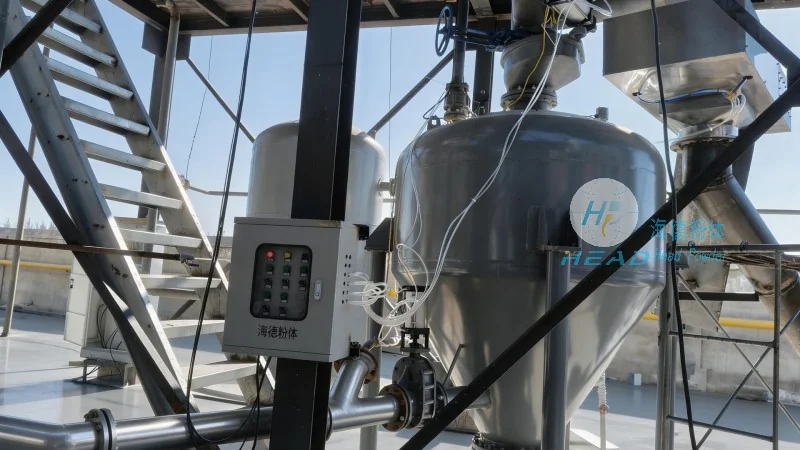
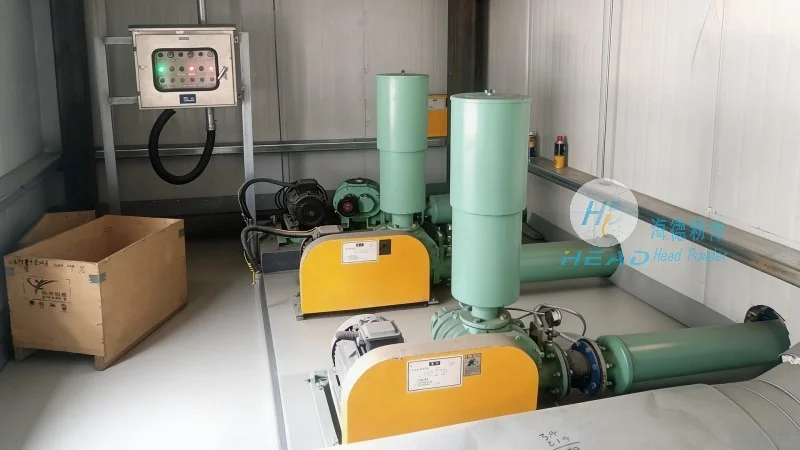
Gypsum ash, a byproduct often found in industrial processes, requires specialized handling due to its characteristics. A pneumatic conveying system uses air to transport bulk materials like gypsum ash through a pipeline network. This method eliminates the need for mechanical components such as belts or buckets, reducing maintenance and operational costs. The system typically consists of a blower, a hopper for material storage, and a pipeline system that directs the material to its destination. The primary goal is to move the material from a source to a destination with minimal loss and maximum efficiency.
The Core Components of a Pneumatic Conveying System
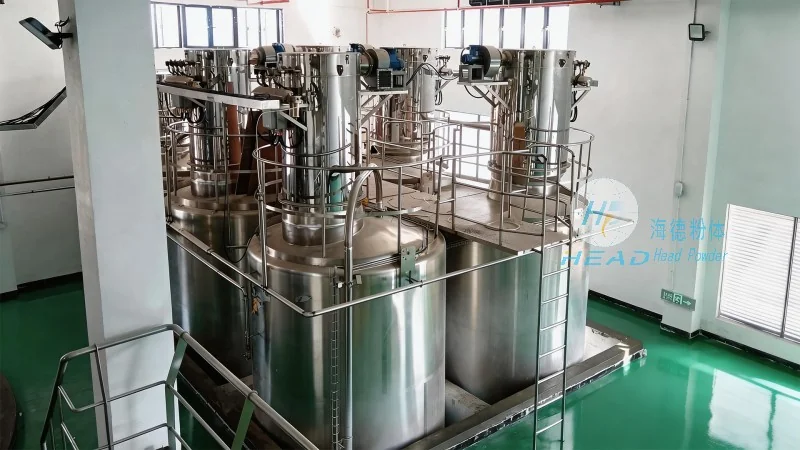
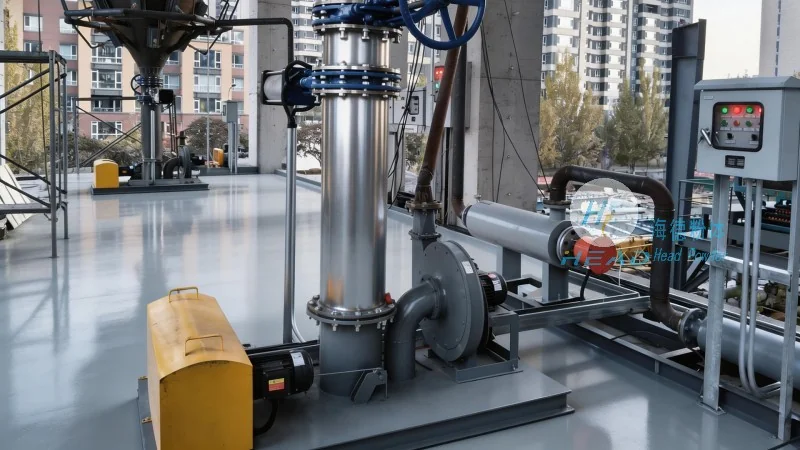
At the heart of any pneumatic conveying system are several key components that work in tandem to ensure smooth operation. The blower or air compressor generates the necessary air pressure to move the material. The hopper or feeder is responsible for feeding the gypsum ash into the system, ensuring a consistent flow. The pipeline system, often made of materials like stainless steel or plastic, carries the material and air mixture. Additionally, components like cyclones or filters may be included to separate the material from the air, preventing dust accumulation and maintaining air quality. Each component plays a critical role in the overall functionality of the system.
Design Principles for Optimal Performance
The design of a gypsum ash material pneumatic conveying system is based on several key principles to ensure efficiency and reliability. First, the system must be designed to handle the specific properties of gypsum ash, such as its particle size, density, and moisture content. This involves selecting the appropriate air velocity and pressure to prevent material settling or blockages. Second, the system should minimize pressure drop along the pipeline to reduce energy consumption. This is achieved by optimizing the pipeline diameter and length, as well as using smooth, unobstructed piping. Third, the system must incorporate safety features to prevent dust explosions and ensure operator safety. This includes explosion-proof designs and proper ventilation systems. Finally, the design should consider scalability, allowing for future expansion or integration with other industrial processes.
Applications and Benefits of Pneumatic Conveying Systems
Gypsum ash material pneumatic conveying systems are widely used in various industrial applications, including power plants, cement factories, and recycling facilities. The benefits of using such systems include improved safety by eliminating manual handling, reduced downtime due to fewer mechanical parts, and lower operational costs. Additionally, the system can handle large volumes of material, making it suitable for high-throughput operations. The ability to transport materials over long distances without the need for intermediate storage or transfer points also enhances operational efficiency. Overall, the adoption of pneumatic conveying systems for gypsum ash handling represents a significant advancement in material handling technology.
Conclusion
In conclusion, a gypsum ash material pneumatic conveying system is a sophisticated and efficient solution for transporting bulk materials in industrial settings. By understanding the core components and design principles, industries can leverage this technology to improve operational performance and safety. The system's ability to handle challenging materials like gypsum ash, combined with its low maintenance requirements, makes it a preferred choice for many applications. As industrial processes continue to evolve, the importance of reliable material handling systems like pneumatic conveying will only grow, ensuring that industries can meet their production goals while maintaining safety and efficiency standards.