HeadPowder, a leading engineering company based in Shandong, China, specializes in the design and implementation of pneumatic conveying systems. This article provides a comprehensive overview of PVC (Polyvinyl Chloride) pneumatic conveying technology, focusing on its structural components and operational principles. Understanding these elements is crucial for industries seeking efficient material handling solutions.
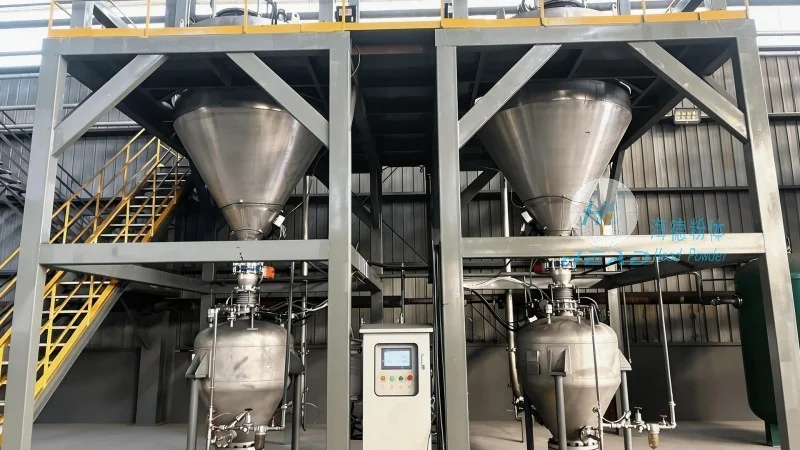
Pneumatic conveying systems utilize air or other gases to transport bulk materials from one location to another. The PVC material, known for its durability and resistance to corrosion, is commonly used in the construction of key components within these systems. The integration of PVC in pneumatic conveying equipment offers several advantages, including enhanced chemical resistance and reduced maintenance costs. This makes PVC an ideal choice for handling a wide range of materials, from powders to granules, in various industrial applications.
The fundamental structure of a PVC pneumatic conveying system typically includes several key components. The primary elements are the conveying line, which serves as the main pathway for material transport; the feed hopper, responsible for introducing the material into the system; and the air compressor or blower, which generates the necessary airflow to move the material. Additionally, the system may incorporate a separator or filter to remove excess air and prevent material buildup, ensuring smooth operation.
One of the critical components in PVC pneumatic conveying is the conveying line itself. These lines are typically made from PVC pipes, which are joined using specialized fittings and connectors. The selection of pipe diameter and length is essential for optimizing the system's performance. Proper sizing ensures that the air velocity is sufficient to lift and transport the material without causing excessive pressure drops or material degradation. The PVC material's flexibility and resistance to abrasion make it well-suited for long-distance conveying applications.
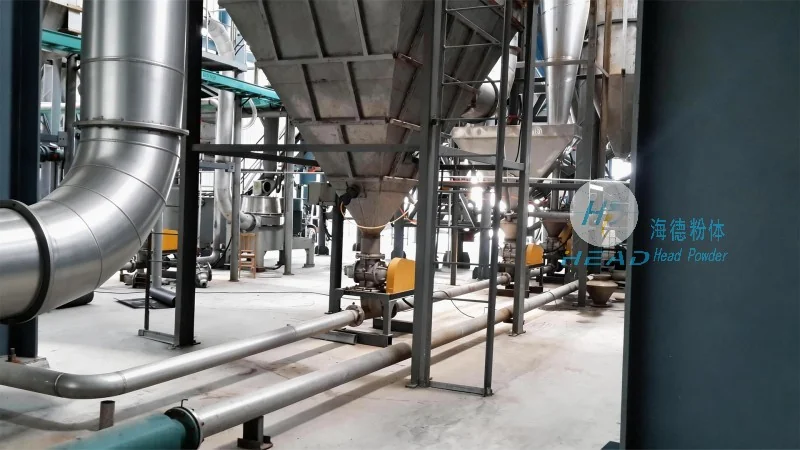
The feed hopper plays a vital role in the system's operation. It is designed to store and meter the material before it enters the conveying line. The hopper's design, including its shape and internal features, influences the material's flow characteristics. For example, a hopper with a conical bottom facilitates uniform material discharge, reducing the risk of blockages or uneven flow. The hopper may also include a rotary valve or other feeding mechanism to control the material's introduction rate, ensuring consistent and controlled conveying.
The air compressor or blower is another essential component, responsible for generating the airflow that propels the material through the system. Different types of compressors, such as positive displacement blowers or centrifugal fans, are used depending on the system's requirements. The choice of compressor affects the system's pressure and airflow capacity, which in turn impacts the conveying distance and material throughput. Proper maintenance of the compressor is crucial to ensure consistent performance and prevent operational issues.
The separator or filter is an important component that helps maintain the system's efficiency. As material is conveyed, some particles may be carried by the air stream and exit the system. The separator captures these particles, preventing them from being released into the environment or causing blockages in downstream equipment. The filter, often made from PVC or other compatible materials, ensures that the air leaving the system is clean and free from contaminants. This not only improves the system's performance but also enhances safety and compliance with environmental regulations.
Operational principles of PVC pneumatic conveying systems revolve around the interaction between the material and the air stream. The system works by creating a low-pressure zone in the conveying line, which draws the material from the feed hopper into the air stream. The air velocity is maintained at a level sufficient to overcome the material's weight and friction, allowing it to be transported through the line. The material is then discharged at the receiving end, where the air is separated from the material and either recirculated or vented. This process is continuous, enabling the system to handle large volumes of material efficiently.
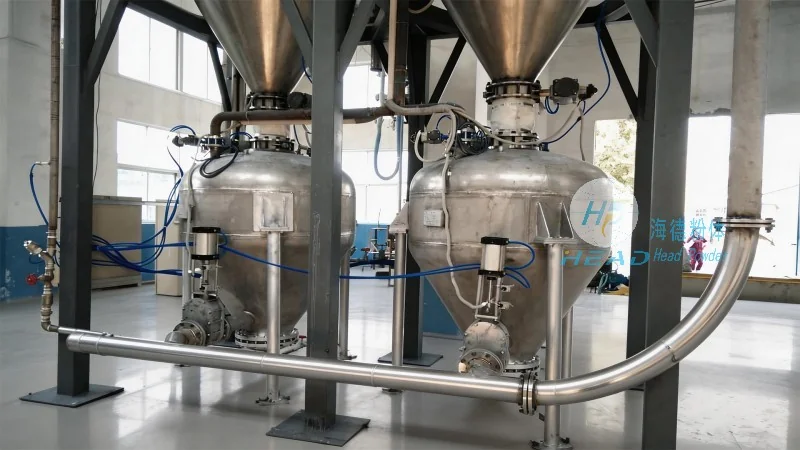
Advantages of PVC pneumatic conveying systems include their ability to handle a wide range of materials, including those that are abrasive or corrosive. The PVC material's resistance to chemicals and wear makes it suitable for applications involving materials like cement, chemicals, and food products. Additionally, the system's flexibility allows for easy integration into existing industrial processes, reducing the need for extensive modifications. The low maintenance requirements and long service life of PVC components contribute to the overall cost-effectiveness of the system.
HeadPowder, with its expertise in engineering and manufacturing, provides comprehensive solutions for PVC pneumatic conveying systems. The company's team of experienced engineers designs customized systems tailored to the specific needs of each client. From initial consultation and system design to installation and maintenance, HeadPowder ensures that clients receive high-quality, reliable equipment that meets their operational requirements. The company's commitment to quality and customer satisfaction has made it a trusted partner in the industry.
As industries continue to seek efficient and sustainable material handling solutions, PVC pneumatic conveying systems remain a popular choice. The combination of PVC's durability and the system's operational efficiency makes it an attractive option for various applications. By understanding the structural components and working principles of these systems, businesses can make informed decisions about implementing effective material transport solutions. HeadPowder's expertise in this field ensures that clients can leverage the benefits of PVC pneumatic conveying to enhance their operational performance and productivity.




