Edible salt powder conveying systems are essential in various industrial applications, particularly in food processing and chemical industries, where efficient and reliable transport of salt powder is crucial for maintaining product quality and operational efficiency. This article explores the working principle and key features of such systems, providing insights into how they operate and the advantages they offer.
Company Introduction
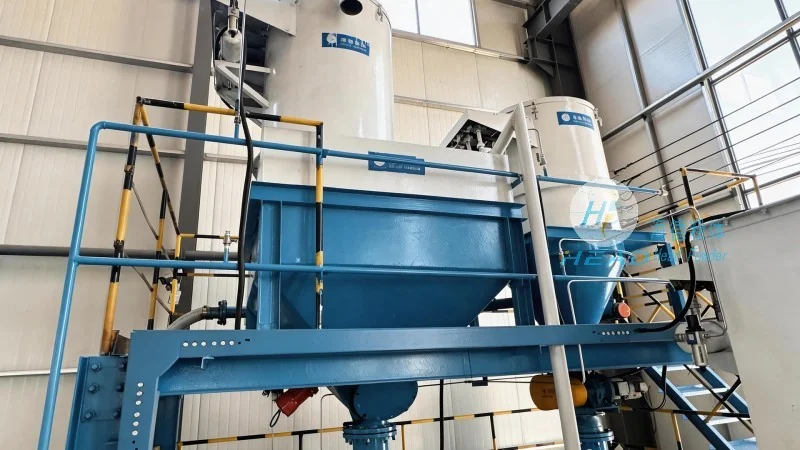
HeadPowder, a leading manufacturer in the field, specializes in designing and supplying advanced powder handling solutions. With a strong presence in Shandong, China, the company, known as Shandong HeadPowder Engineering Co., Ltd., has built a reputation for delivering high-quality, customized conveying systems tailored to meet the specific needs of clients in the food and chemical sectors.
Working Principle of Edible Salt Powder Conveying Systems
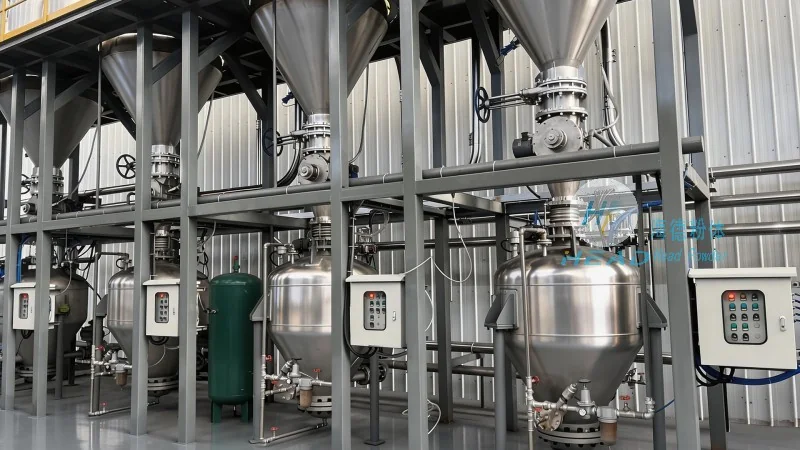
The working principle of edible salt powder conveying systems revolves around the efficient transfer of bulk edible salt from a source to a destination, utilizing mechanical or pneumatic methods. For mechanical systems, such as screw conveyors, the process begins with the salt powder being fed into a hopper. The screw, which is a rotating helical blade, then moves the powder along the conveyor's length. This method is effective for horizontal or slightly inclined transport and is particularly suitable for materials with moderate to high bulk density. The screw's design, including its pitch and diameter, is optimized to prevent clogging and ensure smooth flow. In contrast, pneumatic conveying systems use air pressure to transport the powder through a pipeline. The salt is introduced into the system, and the air flow propels it forward. This method is ideal for long-distance or vertical transport and can handle fine powders without the need for mechanical parts that might cause wear or contamination. The choice between these systems depends on factors like the distance to be covered, the required flow rate, and the material's properties.
Key Features of Edible Salt Powder Conveying Systems
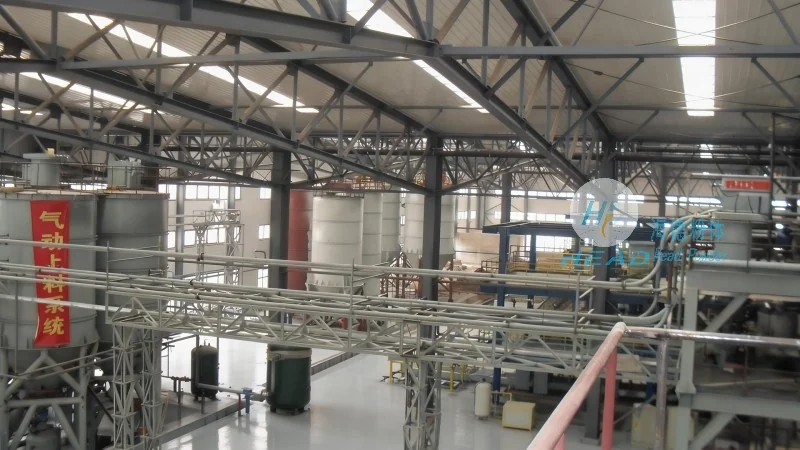
Key features of HeadPowder's edible salt powder conveying systems include a focus on hygiene and compliance with food safety standards. The systems are constructed with stainless steel components, which are easy to clean and resistant to corrosion, ensuring that the salt remains free from contaminants. The design also incorporates sealed hoppers and feeders, preventing dust and moisture from entering the system and affecting the product quality. Another important feature is the integration of monitoring and control systems, which allow real-time tracking of the conveying process. This includes sensors for flow rate, pressure, and temperature, providing operators with immediate feedback and enabling adjustments to maintain optimal performance. The systems are also designed for easy maintenance, with accessible components that can be quickly inspected and serviced, reducing downtime and operational costs. Additionally, the versatility of the systems allows for customization to fit specific production requirements, such as varying conveyor lengths, different material feed rates, or integration with other processing equipment.
Advantages in Industrial Applications
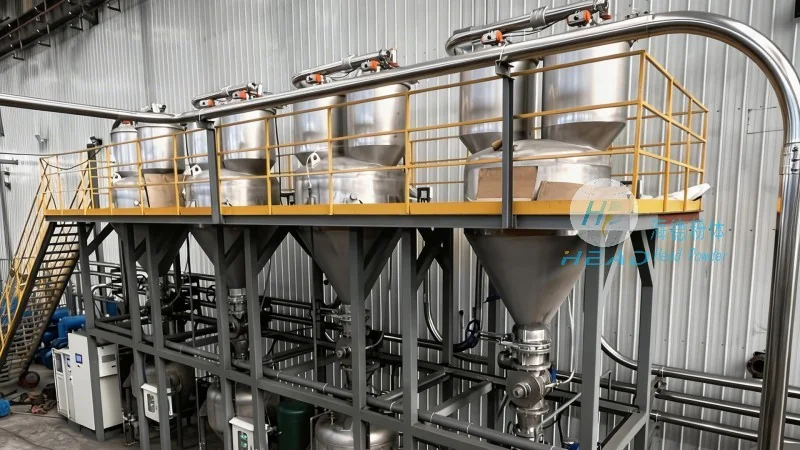
The implementation of edible salt powder conveying systems offers significant advantages in industrial settings. By streamlining the transport process, these systems improve overall operational efficiency, reducing the time and labor required for material handling. The consistent and controlled flow of salt powder also minimizes product loss and ensures that the final product meets quality standards. Furthermore, the systems contribute to a safer working environment by reducing manual handling of bulk materials, which can be hazardous. In the food industry, this is particularly important as it helps maintain hygiene and compliance with food safety regulations. The adaptability of the systems to different production scales and configurations also makes them suitable for both small-scale and large-scale operations, providing flexibility for growing businesses.




