

What is Powdered Edible Salt Pneumatic Conveying? And What Are Its Design Principles?
Understanding the fundamentals of powdered edible salt pneumatic conveying is crucial for industries dealing with bulk solid handling. This method involves transporting dry, free-flowing materials like edible salt through a pipeline using pressurized air or gas. The process is widely adopted due to its efficiency, flexibility, and ability to handle materials in a hygienic and controlled manner.
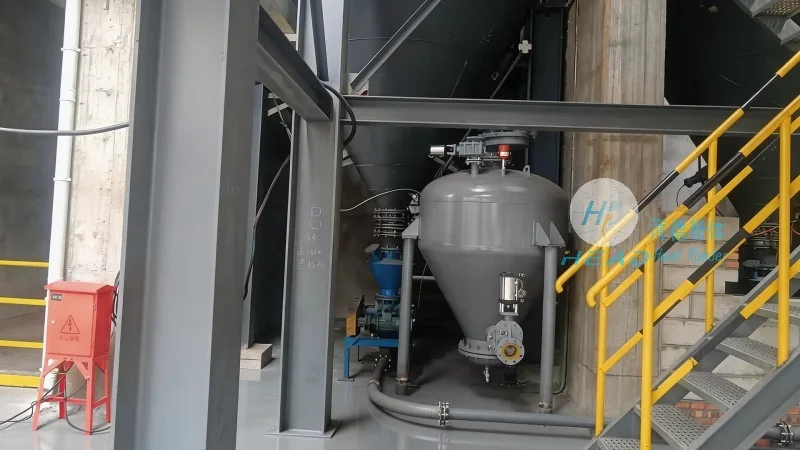
About Shandong HeadPowder Engineering Co., Ltd.
Shandong HeadPowder Engineering Co., Ltd., commonly known as HeadPowder, is a leading provider of pneumatic conveying solutions tailored for the food processing industry. With a focus on precision and reliability, the company specializes in designing and manufacturing systems that meet the stringent requirements of transporting edible salts and other food-grade powders. HeadPowder is headquartered in Shandong, China, and has established itself as a trusted partner for businesses seeking efficient and safe material handling solutions.
Pneumatic Conveying System Components for Edible Salt
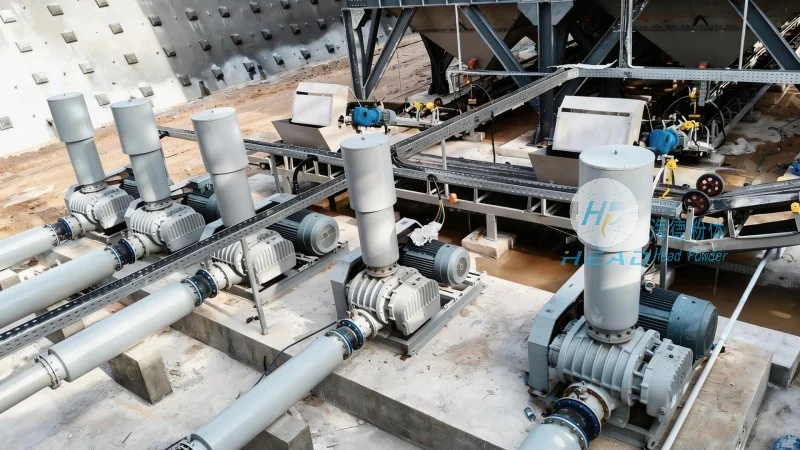
A typical powdered edible salt pneumatic conveying system consists of several key components that work in tandem to ensure smooth material transport. The primary elements include a material hopper or silo, a feeder (often a rotary valve or screw feeder), a conveying line (usually made of stainless steel to maintain hygiene), a blower or compressor to generate the necessary air pressure, and a dust collector or filter to capture any airborne particles. Each component plays a critical role in maintaining the integrity of the edible salt and ensuring the system operates efficiently without contamination.
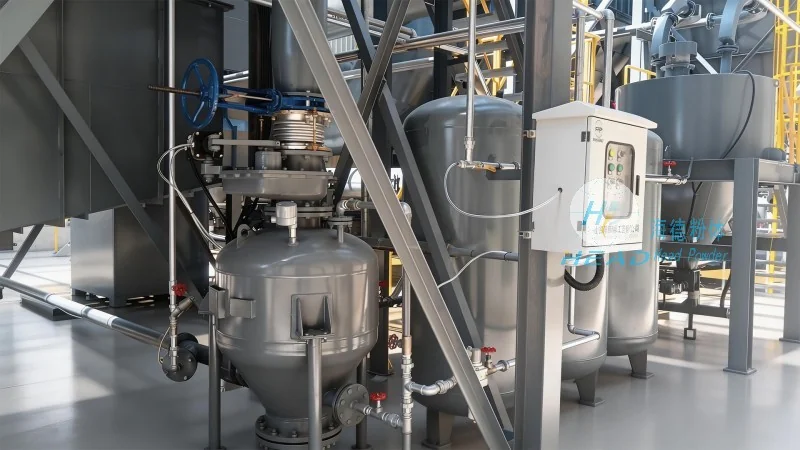
Design Principles of Powdered Edible Salt Pneumatic Conveying
The design of a pneumatic conveying system for edible salt is governed by several key principles aimed at optimizing performance, minimizing product degradation, and ensuring compliance with food safety regulations. One of the fundamental design considerations is the choice between positive pressure and negative pressure systems. Positive pressure systems use a blower to force air and material through the pipeline, which is often preferred for long-distance or complex routing as it provides consistent flow and reduces the risk of material settling. Negative pressure systems, on the other hand, use a vacuum to draw material from the source, which is suitable for shorter distances and simpler layouts. The selection of the system type depends on factors such as the distance between the source and destination, the volume of material to be conveyed, and the specific requirements of the food processing facility.
How the Pneumatic Conveying Process Works
The operation of a powdered edible salt pneumatic conveying system begins with the material being fed from the hopper into the conveying line. The feeder controls the flow rate of the salt, ensuring a consistent supply to the system. Simultaneously, the blower generates a high-pressure air stream that travels through the pipeline. As the air and salt mixture moves through the line, the air velocity is maintained above the material's terminal velocity to prevent settling and ensure smooth transport. The system may include bends, expansions, or other components that require air velocity adjustments to maintain efficient flow. At the destination, the air and material are separated, typically using a cyclone separator or a filter, and the edible salt is collected in a receiving hopper. The air is then filtered and returned to the blower, completing the cycle.
Applications in the Food Industry
Powdered edible salt pneumatic conveying is widely used in various stages of food processing, from raw material handling to packaging. In salt production facilities, the system efficiently transports raw salt from storage silos to processing equipment, such as crushers or grinders. During the production of table salt or industrial salt, the system ensures that the salt is handled hygienically, preventing contamination from dust, moisture, or external particles, which is critical for food-grade materials. In food processing plants, the system is used to transport salt to mixing lines, where it is combined with other ingredients to create seasonings, snacks, or processed foods. The ability to handle large volumes of salt quickly and safely makes pneumatic conveying an essential part of modern food production operations.
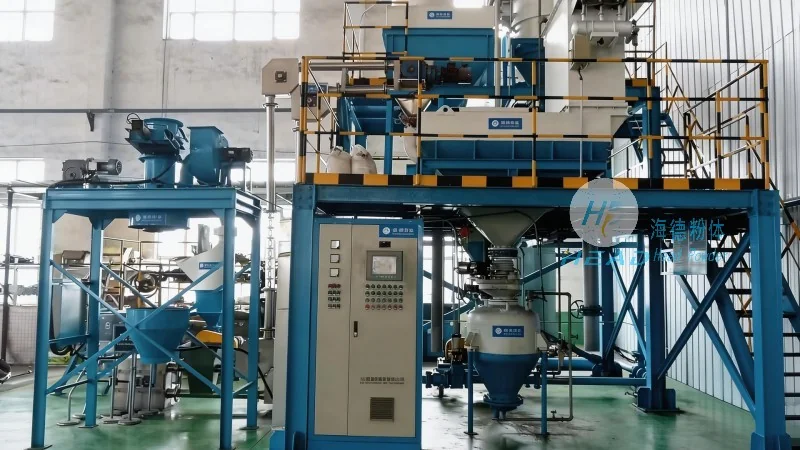
Advantages of Using Pneumatic Conveying for Edible Salt
Compared to traditional mechanical conveying methods, such as belt conveyors or bucket elevators, pneumatic conveying offers several advantages for handling powdered edible salt. One of the most significant benefits is the hygienic nature of the system. The use of stainless steel components and enclosed pipelines prevents contamination from dust, moisture, or external particles, which is critical for food-grade materials. Additionally, pneumatic conveying reduces product degradation by minimizing friction and impact during transport, preserving the quality and flavor of the salt. The system also offers flexibility in routing, allowing for complex layouts that can accommodate multiple destinations or processing stages. Furthermore, pneumatic conveying systems are energy-efficient, as they can be optimized to use the minimum amount of air required for effective transport, reducing operational costs over time.
Conclusion
Powdered edible salt pneumatic conveying is a sophisticated and efficient method for handling bulk solid materials in the food industry. By understanding the design principles and components of such systems, businesses can ensure that their material handling processes are both effective and compliant with industry standards. Shandong HeadPowder Engineering Co., Ltd. specializes in providing customized pneumatic conveying solutions that meet the unique needs of edible salt processing facilities, combining advanced technology with rigorous quality control to deliver reliable and hygienic material transport solutions.