

What is the Pneumatic Conveying of Zinc Calcine Powder? What are the Design Principles?
HeadPowder, a leading engineering firm based in Shandong, China, specializes in the design and implementation of advanced material handling systems. One of their core competencies is the pneumatic conveying of zinc calcine powder, a critical process in the zinc smelting industry. This article delves into the fundamental aspects of zinc calcine powder pneumatic conveying, exploring the underlying design principles that ensure efficient and reliable material transport.
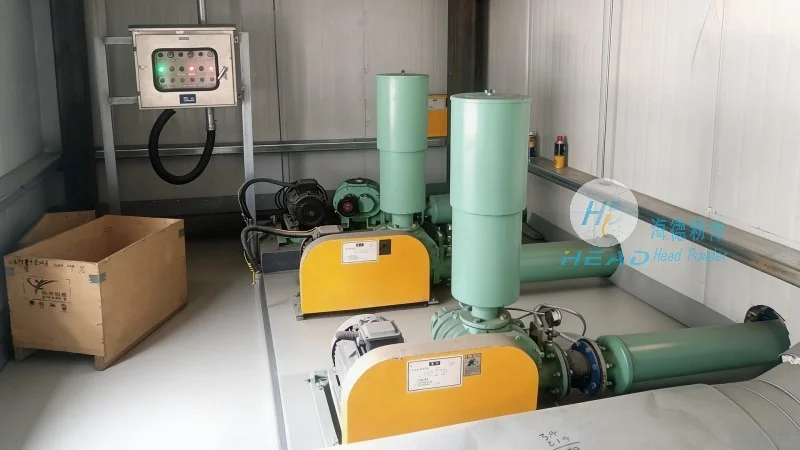
Pneumatic Conveying of Zinc Calcine Powder: An Overview
Zinc calcine, a byproduct of the zinc smelting process, is a fine powder that requires specialized handling due to its abrasive nature and potential for dust generation. Pneumatic conveying offers a non-contact method to transport this material from one location to another, minimizing wear on equipment and reducing the risk of contamination. The process involves using a gas stream, typically air or a mixture of air and other gases, to move the powder through a pipeline system. This approach is particularly advantageous for zinc calcine because it avoids the need for mechanical components like screws or belts, which can be prone to failure in abrasive environments.
Key Components of a Zinc Calcine Pneumatic Conveying System
A typical pneumatic conveying system for zinc calcine powder consists of several essential components, each playing a crucial role in the overall operation. The primary components include a material feed system, a conveying line, a gas source, and a control system. The material feed system is responsible for introducing the zinc calcine powder into the pipeline, often using a rotary valve or a feeder that can handle fine powders without clogging. The conveying line, made from materials resistant to corrosion and abrasion, such as stainless steel or special alloys, ensures the powder is transported efficiently. The gas source, usually a blower or a compressor, provides the necessary pressure and flow rate to move the material. Finally, the control system monitors and regulates the flow of both the powder and the gas, ensuring optimal performance and preventing system failures.
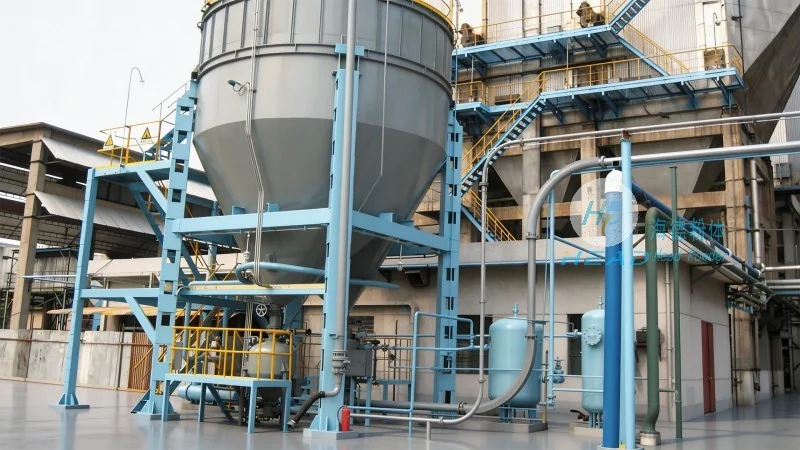
Design Principles for Efficient Zinc Calcine Pneumatic Conveying
The design of a pneumatic conveying system for zinc calcine powder must consider several key factors to achieve high efficiency and reliability. First, the system must be designed to handle the specific properties of zinc calcine, including its particle size distribution, moisture content, and abrasiveness. The particle size distribution is critical because it affects the flow characteristics and the required gas velocity. Larger particles may require higher gas velocities to prevent settling or blockages, while smaller particles may need lower velocities to avoid excessive wear on the conveying line. Moisture content is another important factor, as high moisture can lead to clumping and reduced flowability. Abrasiveness is a major concern, as zinc calcine is known to be highly abrasive, which can cause rapid wear on the equipment. Therefore, the system must use materials that can withstand this wear, such as hardened steel or specialized coatings.
Second, the system design must consider the overall layout and the distance the material needs to be conveyed. The length and elevation changes of the conveying line affect the required pressure and the type of conveying system (e.g., pressure or vacuum). Pressure systems are commonly used for longer distances or when the material needs to be elevated, as they can generate higher pressures to overcome resistance. Vacuum systems, on the other hand, are suitable for shorter distances or when the material needs to be drawn from a lower level. The choice between pressure and vacuum depends on the specific application and the energy efficiency requirements.
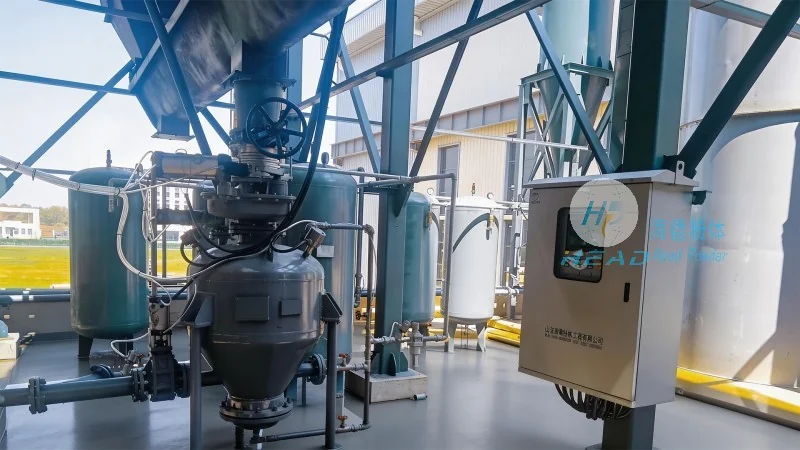
HeadPowder's Expertise in Zinc Calcine Pneumatic Conveying
HeadPowder Engineering Co., Ltd., with its headquarters in Shandong, China, has extensive experience in designing and implementing pneumatic conveying systems for zinc calcine powder. The company's engineers leverage advanced engineering principles and state-of-the-art technology to develop customized solutions that meet the unique needs of each client. By considering factors such as material properties, system layout, and operational requirements, HeadPowder ensures that its systems are not only efficient but also durable and cost-effective. The company's commitment to quality and innovation has made it a trusted partner in the zinc smelting industry, providing reliable material handling solutions that enhance productivity and reduce downtime.
Conclusion
Pneumatic conveying of zinc calcine powder is a sophisticated process that requires careful consideration of design principles to ensure optimal performance. From the selection of materials and components to the optimization of gas flow and system layout, every aspect of the design plays a critical role. HeadPowder Engineering Co., Ltd., based in Shandong, China, specializes in this field, offering expert solutions that address the specific challenges of zinc calcine handling. By understanding the fundamental principles and leveraging advanced engineering techniques, HeadPowder helps clients achieve efficient and reliable material transport, contributing to the overall success of their zinc smelting operations.