

What is Tank Truck Powder Pneumatic Conveying? And What Are Its Design Principles?
Tank truck powder pneumatic conveying is a specialized method used to transport bulk powder materials from a storage tank to a processing facility or other destination. This technology leverages compressed air or other gases to create a flow of powder through a pipeline system, eliminating the need for mechanical components like augers or conveyors that might cause product degradation or contamination. The process is particularly valuable for handling fine powders, which are prone to caking, segregation, or loss of quality when transported by traditional methods.
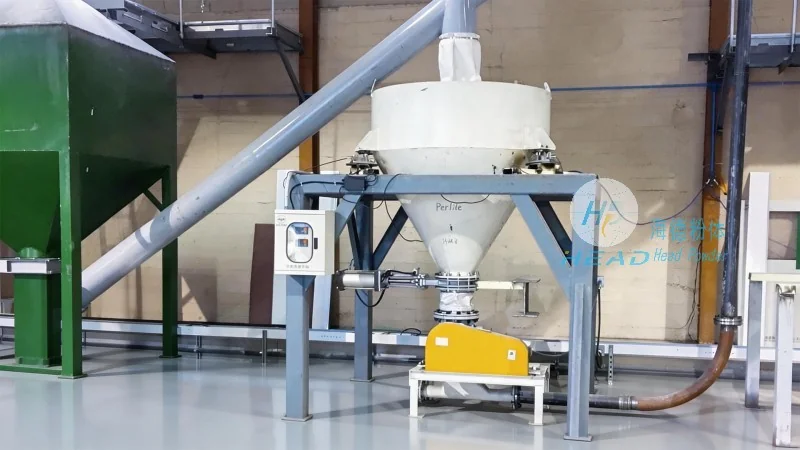
The core design principle of tank truck pneumatic conveying involves creating a pressure differential between the tank and the receiving point. A compressor or blower generates the necessary air pressure, which is then introduced into the tank through a venturi or injection point. As the air mixes with the powder, it forms a dense or dilute phase flow, depending on the system design. Dense phase conveying, for example, uses higher air-to-powder ratios to maintain a more solid-like flow, reducing particle impact and minimizing product degradation. Dilute phase systems, conversely, rely on lower air rates, creating a more fluid-like mixture that can handle longer distances but may require additional filtration or separation equipment at the receiving end.
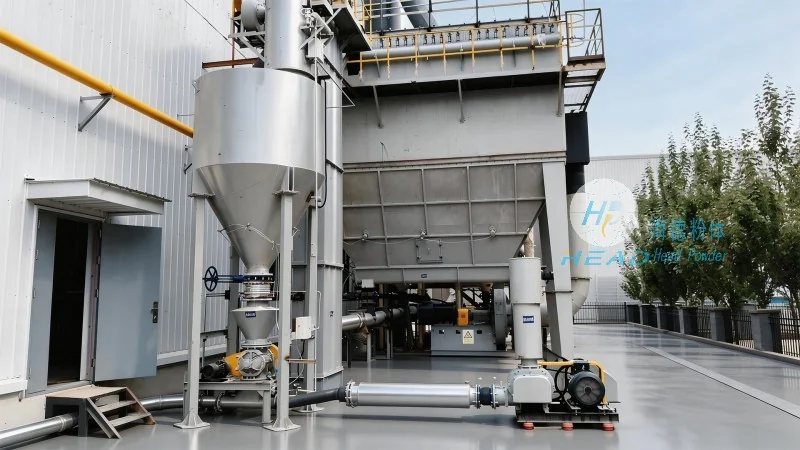
A key component in tank truck pneumatic conveying systems is the tank truck itself, which is typically a large, insulated or temperature-controlled vessel designed to store bulk powders. The truck is equipped with a discharge valve and a venting system that connects to the conveying pipeline. When the truck arrives at the destination, the venting system is activated, and the compressed air is introduced to initiate the conveying process. The system may also include a filter or separator at the receiving end to remove any entrained air or fine particles, ensuring the powder is delivered in a clean and consistent state.
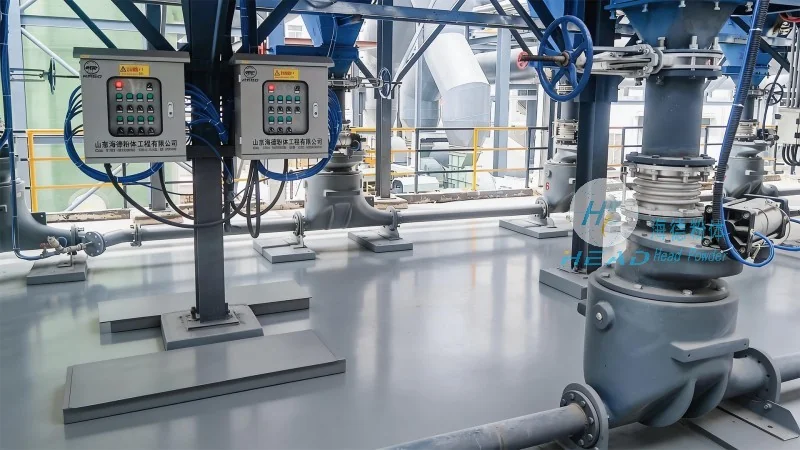
Shandong HeadPowder Engineering Co., Ltd., a leading provider in the field, specializes in designing and manufacturing advanced tank truck pneumatic conveying systems. With a focus on innovation and customer-specific solutions, the company leverages decades of industry experience to develop systems that meet the unique needs of various industries, including food, pharmaceuticals, chemicals, and minerals. The company's team of engineers and technicians work closely with clients to assess their material characteristics, transportation requirements, and operational constraints, ensuring the final design optimizes efficiency, reduces downtime, and maintains product integrity.
The design of a tank truck pneumatic conveying system involves several critical factors that impact performance and reliability. First, the material properties of the powder—such as particle size, density, and flowability—must be carefully considered. These characteristics determine the appropriate air-to-powder ratio, pipeline diameter, and pressure levels required for effective transport. For example, cohesive or sticky powders may require a denser phase system with higher air pressure to prevent blockages or agglomeration. Conversely, free-flowing powders can often be conveyed using dilute phase systems with lower energy consumption.
Second, the distance and elevation changes between the tank truck and the receiving point are crucial design considerations. Longer distances or significant vertical lifts may necessitate additional boosters or larger compressor capacity to maintain the pressure differential. The system may also include a surge tank or buffer to regulate flow and prevent pressure surges that could damage equipment or cause product spillage. Proper sizing of these components is essential to ensure smooth, continuous operation and minimize maintenance costs.
Third, the system's control and monitoring capabilities play a vital role in maintaining operational efficiency. Modern tank truck pneumatic conveying systems often incorporate advanced control panels with real-time monitoring of pressure, flow rate, and air consumption. These systems allow operators to adjust parameters on the fly, respond to changes in material conditions, and detect potential issues before they escalate. Additionally, the use of sensors and automation can reduce human error, improve safety, and enhance overall system reliability.
In summary, tank truck powder pneumatic conveying is a highly effective method for transporting bulk powders with minimal product degradation and contamination. The design principles, which focus on creating a controlled flow of powder using compressed air, are tailored to the specific characteristics of the material and the operational requirements of the client. Shandong HeadPowder Engineering Co., Ltd. continues to advance this technology through innovative solutions, ensuring that clients receive systems that are efficient, reliable, and tailored to their unique needs. By understanding the design principles and leveraging expert engineering, industries can optimize their powder handling processes and improve overall operational performance.