What is a Carbon Black and Coal Powder Material Handling System? And What Are Its Design Principles?
Release time:2026-09-15 22:01:15
name of the company:Shandong Headpowder Engineering Co., Ltd.
telephone:156-6277-7102
contacts:Zhang manager
HeadPowder, a leading engineering firm based in Shandong, China, specializes in the design and implementation of advanced material handling systems. This article explores the carbon black and coal powder material handling system, detailing its core components, operational principles, and the critical design considerations that ensure efficient and reliable performance.
Understanding the Carbon Black and Coal Powder Material Handling System
The carbon black and coal powder material handling system is a specialized industrial solution engineered to transport and manage carbon black and coal powder—two critical raw materials widely used in various industries, including rubber, plastics, and energy production. These materials are often characterized by their fine particle size, high density, and potential for dust generation, which necessitates specialized equipment to handle safely and efficiently.
Key Components of the Material Handling System
The system typically comprises several interconnected components, each playing a vital role in the overall operation. The primary components include:
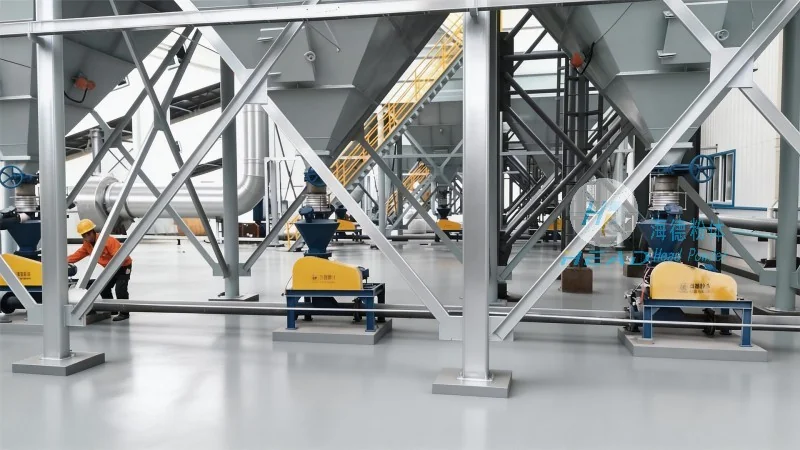
- Feeding Hoppers: These are large, hopper-style containers designed to store and feed the bulk material into the system. They are often equipped with level sensors and discharge valves to regulate the flow of material.
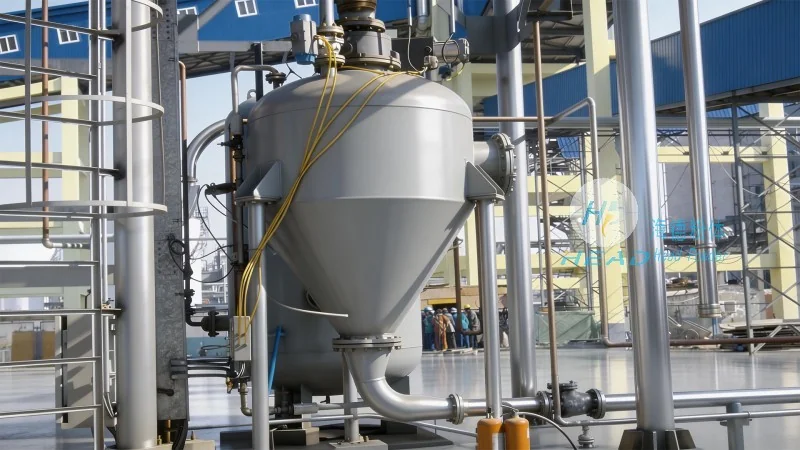
- Pneumatic Conveying Lines: This is the core of the system, utilizing air pressure to transport the fine powders through a network of pipes. The lines may include components such as cyclones, filters, and pressure vessels to separate and control the material flow.
- Conveying Equipment: Depending on the application, the system may incorporate equipment like screw conveyors, belt conveyors, or bucket elevators to transport the material over longer distances or to elevate it to higher levels.
- Dust Control Systems: Given the dust generation potential of carbon black and coal powder, the system includes advanced dust suppression and filtration systems to ensure environmental compliance and worker safety.
Design Principles and Operational Efficiency
The design of a carbon black and coal powder material handling system adheres to several key principles to maximize efficiency, minimize downtime, and ensure safety. These principles include:
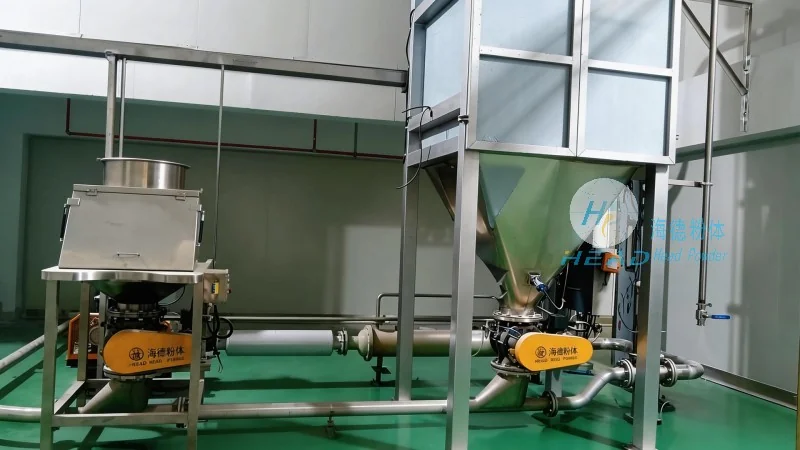
- Material Compatibility: The system is engineered to handle the specific properties of carbon black and coal powder, such as particle size distribution, moisture content, and chemical reactivity. Materials like stainless steel or special alloys are often used to prevent corrosion and material degradation.
- Flow Optimization: The design focuses on optimizing the material flow through the system to minimize pressure drops, reduce energy consumption, and prevent blockages. This involves careful selection of pipe diameters, air velocities, and equipment configurations.
- Safety and Environmental Compliance: The system incorporates robust safety features, including explosion-proof designs for pneumatic conveying lines and dust collection systems that meet regulatory standards. This ensures safe operation and compliance with environmental regulations.
- Scalability and Flexibility: The design allows for scalability, enabling the system to be expanded or modified to accommodate changes in production volume or material types. This flexibility is crucial for adapting to evolving industrial needs.
Applications and Industry Impact
The carbon black and coal powder material handling system is widely used in industries where these materials are essential. For example, in the rubber industry, carbon black is used as a reinforcing agent in tires and other rubber products, and the system ensures efficient delivery of this critical additive. In the energy sector, coal powder is used as a fuel in power plants, and the system facilitates its transport to the combustion units.
By providing a reliable and efficient means of handling these materials, the system enhances production efficiency, reduces operational costs, and improves overall plant performance. The design principles and components discussed above ensure that the system can handle the unique challenges associated with carbon black and coal powder, making it a vital component of modern industrial operations.




