Understanding the mechanics of automatic feeding material conveying systems is crucial for industries that rely on efficient material handling. This technology has revolutionized how raw materials are transported and processed, offering significant improvements in productivity and operational efficiency. In this article, we delve into the core aspects of automatic feeding material conveying, focusing on its design principles and the key components that make it a vital part of modern industrial operations.
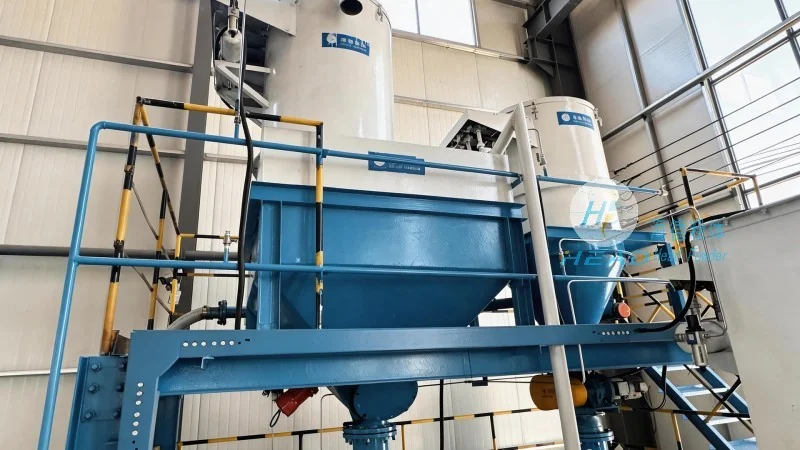
Introduction to Automatic Feeding Material Conveying
Automatic feeding material conveying refers to the automated process of transporting bulk materials from one location to another within a production facility. This system eliminates the need for manual labor in material handling, reducing human error and increasing the speed of material flow. The technology is widely used in various sectors, including manufacturing, pharmaceuticals, food processing, and chemical industries, where precise and consistent material movement is essential for maintaining quality and productivity.
About HeadPowder Engineering Co., Ltd.
HeadPowder Engineering Co., Ltd., a leading provider of material handling solutions, is headquartered in Shandong, China. With years of expertise in designing and manufacturing advanced conveying systems, HeadPowder has established itself as a trusted partner for businesses seeking reliable and efficient material transport solutions. The company's commitment to innovation and quality ensures that its products meet the highest industry standards, catering to diverse client needs across different industries.
Design Principles of Automatic Feeding Material Conveying Systems
The design of an automatic feeding material conveying system is based on several key principles that ensure optimal performance and reliability. These principles include the selection of appropriate conveyor types, the integration of feeding mechanisms, and the implementation of control systems that regulate the flow of materials. The system typically consists of components such as hoppers, feeders, conveyors (like belt conveyors, screw conveyors, or pneumatic conveyors), and control units. Each component plays a critical role in the overall operation, ensuring that materials are conveyed smoothly and efficiently from the source to the destination.
Key Components and Their Functions
1. **Hoppers**: These are containers that store the bulk material before it is fed into the conveyor system. Hoppers are designed to maintain a consistent material level, preventing overfilling or underfilling, which can affect the feeding rate. The design of hoppers, including their shape and size, is crucial for ensuring proper material flow and minimizing the risk of blockages.
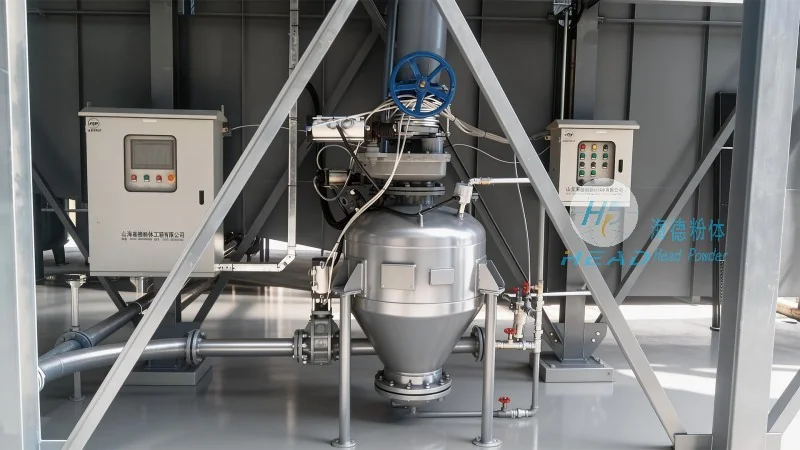
2. **Feeders**: Feeders are devices that regulate the flow of material from the hopper to the conveyor. Common types include vibratory feeders, rotary valves, and screw feeders. These components ensure that the material is discharged at a controlled rate, matching the conveyor's capacity and preventing surges or gaps in material flow.
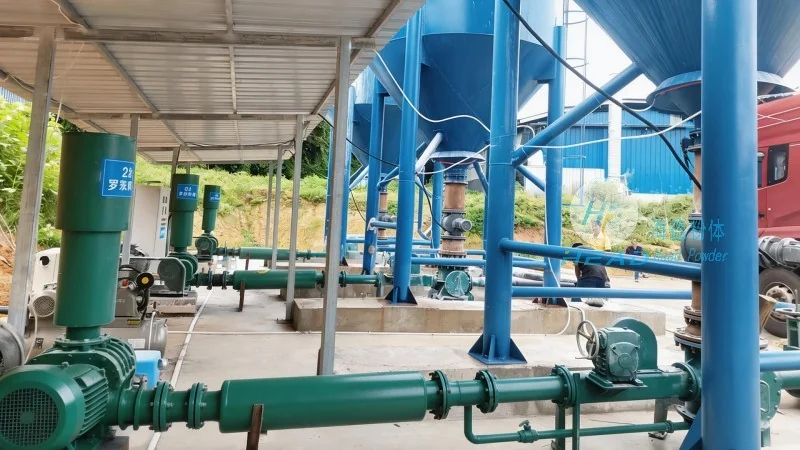
3. **Conveyors**: The conveyor is the core of the material conveying system, responsible for transporting the material from the feeding point to the discharge point. Different types of conveyors are used depending on the material characteristics and the application requirements. For example, belt conveyors are suitable for transporting loose materials over short to medium distances, while screw conveyors are ideal for handling granular or powder materials vertically or horizontally.
4. **Control Systems**: Modern automatic feeding material conveying systems are equipped with advanced control systems that monitor and regulate the entire process. These systems use sensors and controllers to adjust the feeding rate, conveyor speed, and other parameters in real-time, ensuring that the system operates at peak efficiency. The control systems also provide feedback on the material flow, allowing for quick adjustments if any issues arise.
Advantages of Automatic Feeding Material Conveying
Implementing an automatic feeding material conveying system offers numerous benefits to industrial operations. Firstly, it significantly reduces labor costs by automating the material handling process, eliminating the need for manual labor in repetitive tasks. This not only lowers operational expenses but also improves workplace safety by reducing the risk of accidents associated with manual material handling. Secondly, the system enhances productivity by ensuring a consistent and continuous flow of materials, minimizing downtime and increasing the throughput of the production line.
Thirdly, automatic feeding material conveying systems improve product quality by maintaining consistent material flow and reducing the risk of contamination or segregation. The controlled feeding and conveying processes ensure that materials are handled gently, preserving their integrity and preventing damage that could affect their quality. Additionally, the system allows for precise control over the material flow rate, which is crucial for processes that require exact material quantities, such as in pharmaceutical manufacturing or food processing.
Applications in Different Industries
The versatility of automatic feeding material conveying systems makes them applicable across a wide range of industries. In the manufacturing sector, these systems are used to transport raw materials to production lines, ensuring a steady supply of components for assembly processes. In the pharmaceutical industry, the systems are critical for handling active pharmaceutical ingredients (APIs) and other sensitive materials, where contamination control and precise dosing are paramount. The food processing industry also benefits from these systems, as they help in transporting ingredients and finished products efficiently while maintaining hygiene standards. In the chemical industry, automatic feeding material conveying systems are used to handle various chemicals, ensuring safe and controlled material transport.
Conclusion
Automatic feeding material conveying systems represent a significant advancement in material handling technology, offering industries a reliable and efficient solution for transporting bulk materials. The design principles and components of these systems are carefully engineered to meet the specific needs of different applications, ensuring optimal performance and reliability. With the expertise of companies like HeadPowder Engineering Co., Ltd., businesses can leverage these advanced systems to enhance their operational efficiency, reduce costs, and improve product quality. As industries continue to evolve, the importance of efficient material handling will only grow, making automatic feeding material conveying an essential component of modern industrial operations.




