For industries dealing with powders, granules, or bulk materials, maintaining a clean and controlled environment is paramount. Dust-free and airtight material handling systems are critical to prevent contamination, ensure product quality, and comply with regulatory standards. These systems are engineered to minimize particle release, control air flow, and maintain a stable, sterile environment throughout the material transfer process. The design principles behind such systems are intricate, focusing on robust sealing mechanisms, material compatibility, and efficient air management.
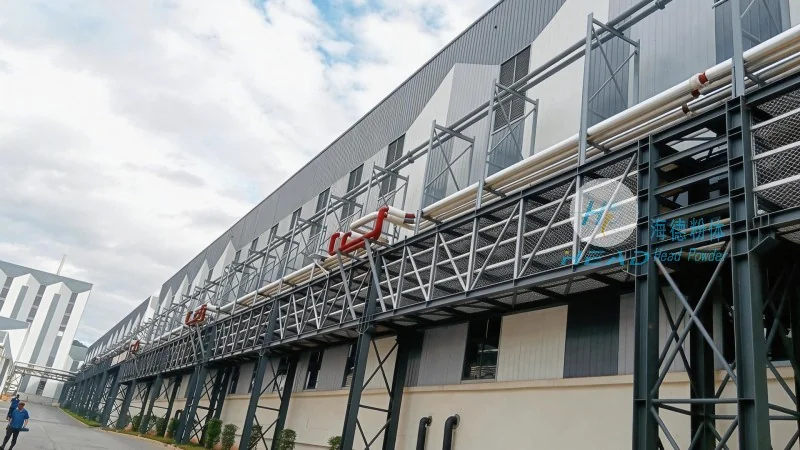
Key Design Principles for Dust-Free and Airtight Systems
The foundation of effective dust-free and airtight material handling lies in several key design principles. First, seal integrity is paramount. All components, including hoppers, conveyors, and transfer points, must be designed with tight seals to prevent dust leakage. This often involves using gaskets, O-rings, and specialized sealing technologies tailored to the material's properties. Second, material compatibility is crucial. The system's construction materials must resist corrosion, wear, and chemical reactions with the handled material. Common choices include stainless steel, food-grade plastics, and specialized alloys that ensure longevity and safety. Third, air flow management is integral. These systems incorporate positive pressure or negative pressure control to maintain a controlled environment, preventing external contaminants from entering and internal dust from escaping. Additionally, filtration systems are integrated to capture any particles that may escape, ensuring the air leaving the system is clean.
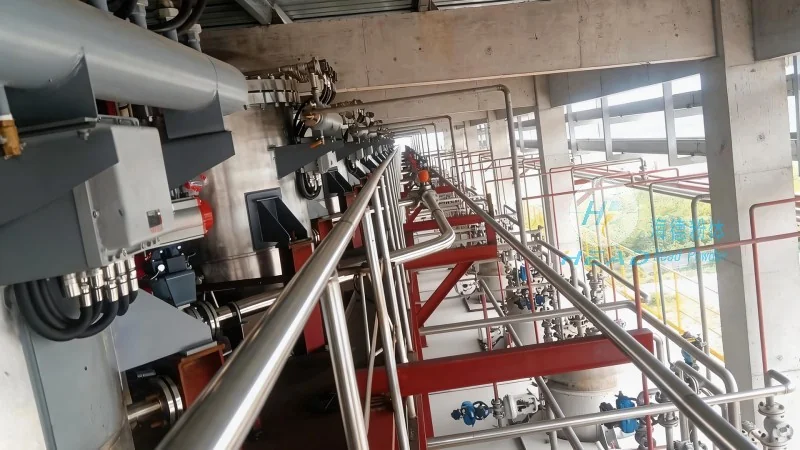
Components and Technologies in Dust-Free Material Handling
Modern dust-free and airtight material handling systems integrate a range of advanced components and technologies. Conveying equipment, such as pneumatic conveying lines or enclosed belt conveyors, are designed to transport materials without exposing them to the air. Pneumatic systems use air pressure to move powders through sealed pipes, while enclosed conveyors keep materials within a sealed housing. Transfer devices, like rotary valves and star feeders, are critical for controlling material flow and preventing backflow or spillage. These devices are often equipped with sealing mechanisms to maintain airtightness during operation. Filtration and ventilation systems are also essential, as they remove any residual dust from the air and maintain a consistent pressure within the system. High-efficiency particulate air (HEPA) filters are commonly used to ensure the air leaving the system meets strict cleanliness standards.
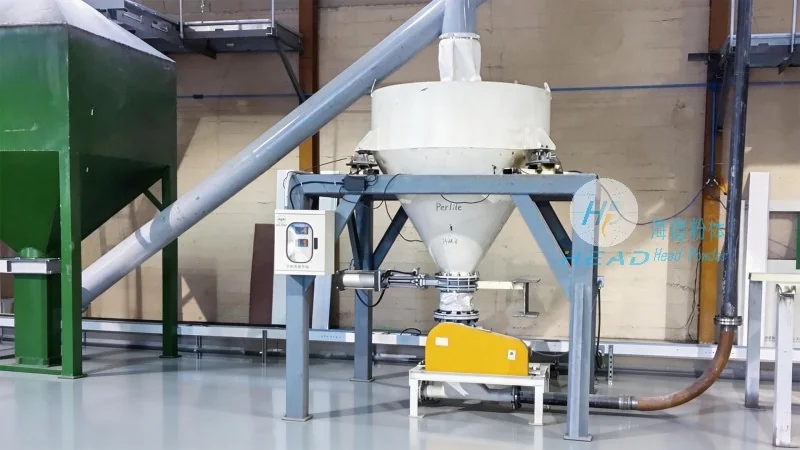
Applications and Benefits of Dust-Free Material Handling
Dust-free and airtight material handling systems are widely used across various industries, including pharmaceuticals, food processing, chemical manufacturing, and electronics. In the pharmaceutical industry, for example, these systems are vital to prevent cross-contamination and maintain sterile conditions, ensuring product safety and regulatory compliance. In food processing, they help preserve product quality by preventing contamination from dust or airborne particles. The benefits of such systems extend beyond compliance; they also improve operational efficiency by reducing downtime due to maintenance or contamination issues, and enhance worker safety by minimizing exposure to hazardous materials.
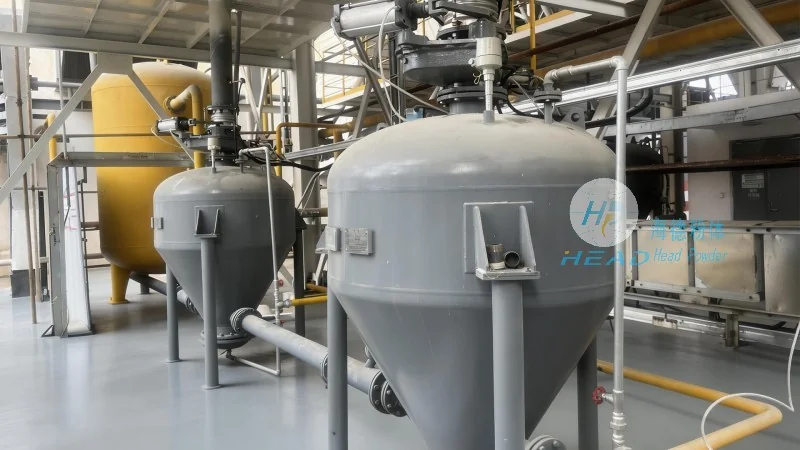
About Shandong HeadPowder Engineering Co., Ltd.
Shandong HeadPowder Engineering Co., Ltd., commonly known as HeadPowder, is a leading provider of specialized material handling solutions. With a focus on innovation and precision engineering, HeadPowder designs and manufactures dust-free and airtight systems tailored to the unique needs of various industries. The company's expertise lies in understanding the complexities of material behavior and translating that knowledge into robust, reliable systems. HeadPowder's commitment to quality and customer satisfaction has made it a trusted partner for businesses seeking to enhance their material handling processes while maintaining the highest standards of cleanliness and safety.




