Wool powder, a fine and versatile material derived from wool processing, often requires specialized handling and transportation systems to ensure efficient and safe processing. The wool powder conveying system is a critical piece of equipment designed to manage the movement of this fine powder from one processing stage to another. This article explores the fundamental aspects of such a system, including its design principles and operational characteristics, with a focus on the expertise of Shandong HeadPowder Engineering Co., Ltd., a leading provider in this field based in China.
Introduction to Wool Powder Conveying Systems
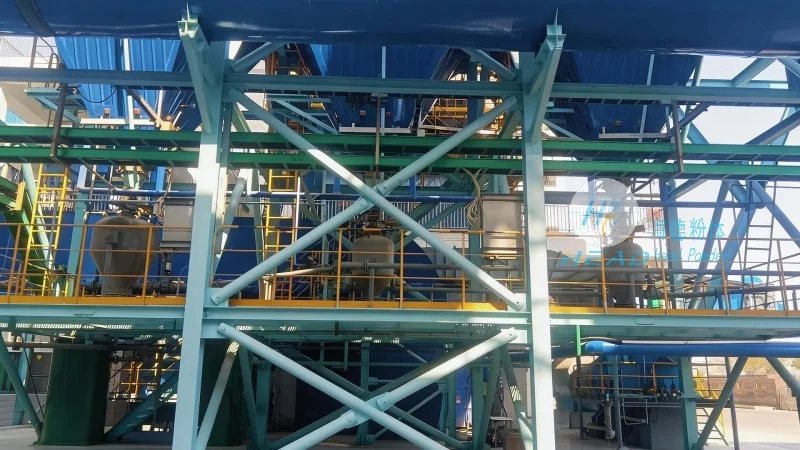
Wool powder, characterized by its fine particle size and tendency to generate static electricity, presents unique challenges in material handling. Traditional conveying methods may struggle with issues like dust accumulation, blockages, and inefficient material flow. The wool powder conveying system addresses these challenges by integrating advanced engineering solutions tailored to the specific properties of wool powder. At the heart of this system is a combination of components that work in harmony to ensure reliable and continuous operation.
Understanding the Core Components of the System
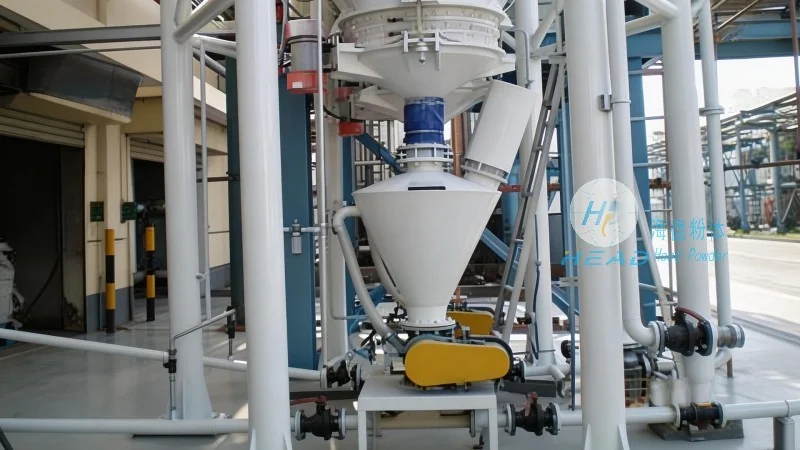
The wool powder conveying system typically consists of several key components, each playing a vital role in the overall operation. These components include a hopper for material storage, a feeding mechanism to control the flow of powder, a conveying device such as a screw conveyor or pneumatic system, and a control panel for monitoring and adjusting the process. The hopper is designed to accommodate the bulk storage of wool powder, ensuring a steady supply to the feeding section. The feeding mechanism, often a rotary valve or screw feeder, regulates the amount of powder released into the conveying system, preventing overloading and maintaining consistent flow rates. The conveying device is the core of the system, responsible for transporting the powder through the pipeline. For wool powder, which is prone to static, the conveying system may incorporate anti-static measures such as grounding and ionizers to prevent dust accumulation and ensure safe operation. The control panel allows operators to monitor parameters like pressure, flow rate, and temperature, enabling real-time adjustments to maintain optimal performance.
Design Principles and Operational Mechanisms
The design of a wool powder conveying system follows several fundamental principles aimed at maximizing efficiency, safety, and reliability. One of the primary design principles is the minimization of material contact with metal surfaces to reduce static generation and prevent contamination. The system often uses materials like stainless steel or specialized plastics that are non-conductive and resistant to the abrasive nature of wool powder. Another key principle is the integration of dust control measures, including sealed enclosures and filtration systems, to prevent dust emissions and maintain a clean working environment. The operational mechanism of the system involves the controlled feeding of powder into the conveying device, which then transports it to the desired destination, such as a storage silo or processing unit. The system may also include features like pulse jets or air filters to maintain the cleanliness of the conveying line and prevent blockages caused by agglomerated powder.
Key Features and Advantages of the System
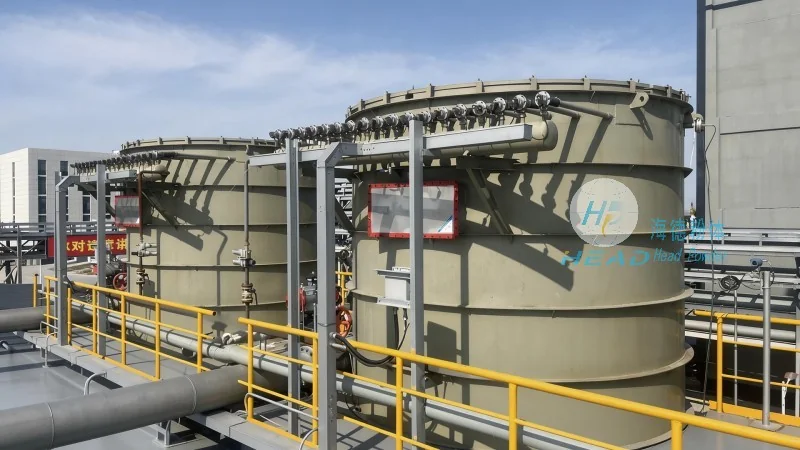
Wool powder conveying systems from Shandong HeadPowder Engineering Co., Ltd. offer several advantages that make them ideal for wool processing applications. One of the main advantages is their high efficiency in handling fine powders, with minimal loss and consistent flow rates. The systems are designed to handle the unique properties of wool powder, including its tendency to generate static and its potential for dust formation, ensuring safe and reliable operation. Another advantage is the ease of maintenance, with modular components that can be easily accessed and replaced. The systems also feature advanced control capabilities, allowing for automated operation and real-time monitoring, which enhances productivity and reduces downtime. Additionally, the systems are built to meet industry standards for safety and environmental compliance, ensuring that they operate within regulatory requirements.
Application Scenarios and Industry Relevance
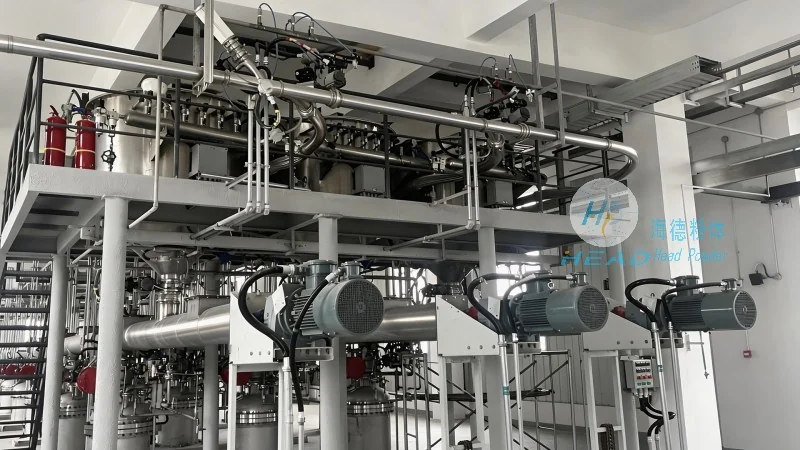
The wool powder conveying system is widely used in various stages of wool processing, from the initial grinding and drying of raw wool to the final packaging of wool powder products. In the textile industry, these systems are crucial for transporting wool powder to spinning machines, where it is used to produce high-quality yarns. In the chemical and pharmaceutical industries, wool powder is used as a raw material for various products, and the conveying system ensures that it is handled safely and efficiently. The system is also used in research and development laboratories for testing and processing small batches of wool powder. The versatility of the system makes it applicable across multiple industries, making it a valuable asset for any organization dealing with wool powder.
Conclusion and Company Overview
In conclusion, the wool powder conveying system is a sophisticated and essential piece of equipment for the efficient handling of wool powder. Its design principles, operational mechanisms, and key features make it a reliable solution for various industrial applications. Shandong HeadPowder Engineering Co., Ltd., with its expertise and commitment to quality, provides top-tier wool powder conveying systems that meet the highest standards of performance and safety. Based in China, the company leverages advanced engineering and manufacturing capabilities to deliver systems that are tailored to the specific needs of its clients. Whether for large-scale production or laboratory use, the wool powder conveying system from Shandong HeadPowder Engineering Co., Ltd. offers a robust and efficient solution for wool powder handling.




