Wood chip powder conveying systems are critical components in various industrial processes, particularly in the forestry and paper manufacturing sectors. These systems are engineered to efficiently transport wood chips, which are often processed into pulp or other wood-based products. Understanding the components and design principles of such systems is essential for optimizing material handling, reducing operational costs, and ensuring safety in industrial settings.
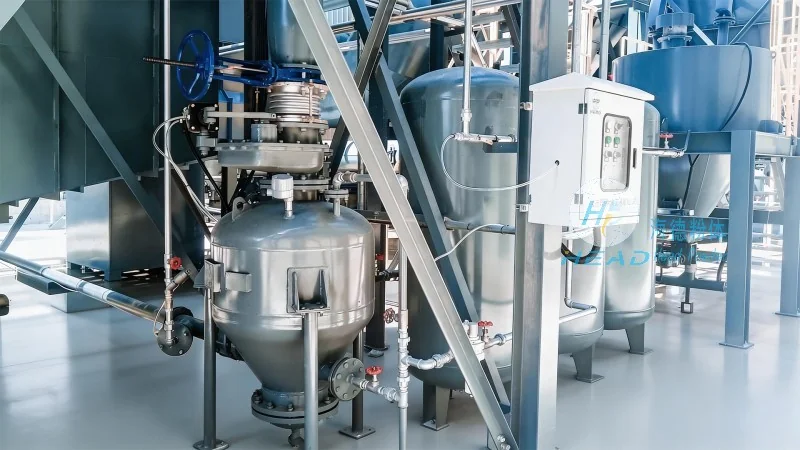
Key Components of a Wood Chip Powder Conveying System
A typical wood chip powder conveying system consists of several interconnected components that work in harmony to achieve effective material transport. The primary components include a hopper or feed bin for storing and feeding wood chips, a conveyor mechanism (such as a screw conveyor, pneumatic conveyor, or belt conveyor), a control system for regulating the flow and speed, and a dust collection or filtration system to manage airborne particles. Each component plays a vital role in the overall functionality of the system.
The Design Principles Behind Wood Chip Powder Conveying
The design of a wood chip powder conveying system is based on fundamental principles of fluid mechanics, mechanical engineering, and material science. Engineers must consider factors like the physical properties of wood chips—such as size, moisture content, and density—to determine the most suitable conveying method. For instance, pneumatic conveying systems are often preferred for fine wood powders due to their ability to handle low-density materials with minimal friction. In contrast, mechanical conveyors like screw or belt conveyors are more suitable for bulkier wood chips that require higher pressure and mechanical force.
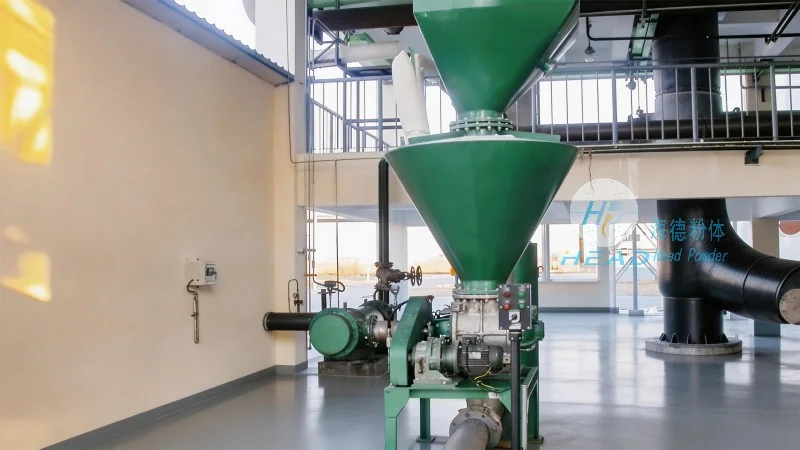
Another critical design principle is the consideration of energy efficiency and operational costs. The system must be designed to minimize energy consumption while maximizing throughput. This involves optimizing the conveyor speed, the angle of inclination, and the diameter of the conveying pipes or screws. Additionally, the system must be constructed from materials that can withstand the abrasive nature of wood chips and moisture, ensuring durability and longevity.
Application and Operational Considerations
Wood chip powder conveying systems are widely used in industries such as pulp and paper production, biomass energy generation, and wood processing facilities. In pulp and paper mills, these systems are crucial for transporting wood chips from storage areas to processing units, where they are converted into pulp for paper production. The efficiency of the conveying system directly impacts the overall production rate and cost-effectiveness of the mill.
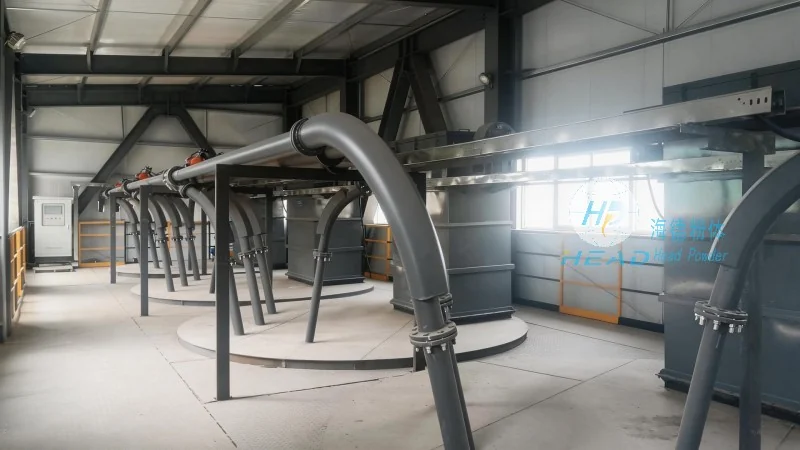
Operational considerations also include safety measures to prevent dust explosions and material blockages. Proper ventilation, dust suppression systems, and regular maintenance are essential to ensure the safe and reliable operation of the system. Additionally, the system must be designed to accommodate variations in wood chip quality and moisture content, as these factors can significantly affect the conveying performance.
About Shandong HeadPowder Engineering Co., Ltd.
Shandong HeadPowder Engineering Co., Ltd., a leading manufacturer based in China, specializes in the design, manufacturing, and installation of advanced wood chip powder conveying systems. With years of experience in the industry, the company has developed state-of-the-art solutions tailored to meet the diverse needs of its clients. HeadPowder's systems are known for their high efficiency, durability, and compliance with international safety standards. The company's commitment to quality and innovation has made it a trusted partner for businesses in the forestry and paper industries.




