Understanding soil powder conveying systems is crucial for industries that handle fine particulate materials. These systems are engineered to transport soil and other powders efficiently, ensuring minimal dust generation and optimal material handling. The design principles behind such systems are centered on several key factors, including material properties, operational requirements, and environmental considerations.
Introduction to Soil Powder Conveying Systems
Soil powder conveying systems are specialized equipment used to move soil and other fine powders from one location to another. Unlike traditional bulk material handling methods, these systems are designed to handle materials that are prone to dusting and require controlled transport. The primary goal is to achieve efficient, safe, and cost-effective material transfer while maintaining environmental standards.
Key Components of a Soil Powder Conveying System
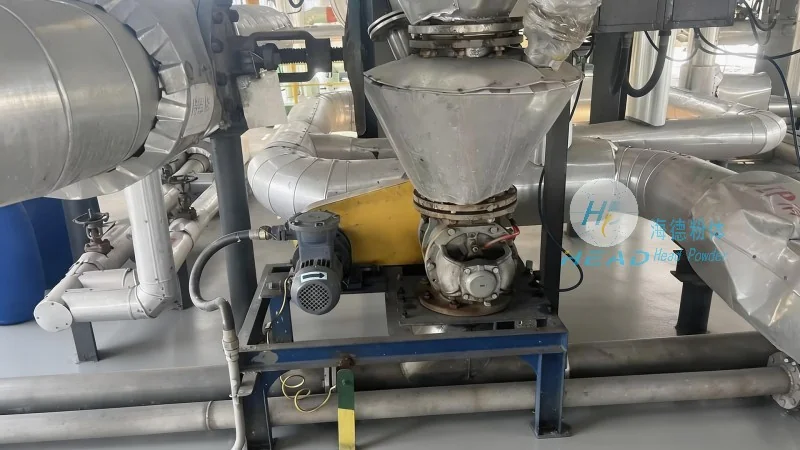
The effectiveness of a soil powder conveying system depends on its key components, which work in tandem to ensure smooth operation. These components typically include a hopper for material storage, a conveyor mechanism (such as a screw or pneumatic system), and a dust collection system. The hopper is designed to hold the soil powder and provide a consistent feed to the conveyor. The conveyor mechanism transports the material through the system, while the dust collection system ensures that airborne particles are captured and contained, preventing environmental contamination.
Design Principles for Efficient Soil Powder Transport
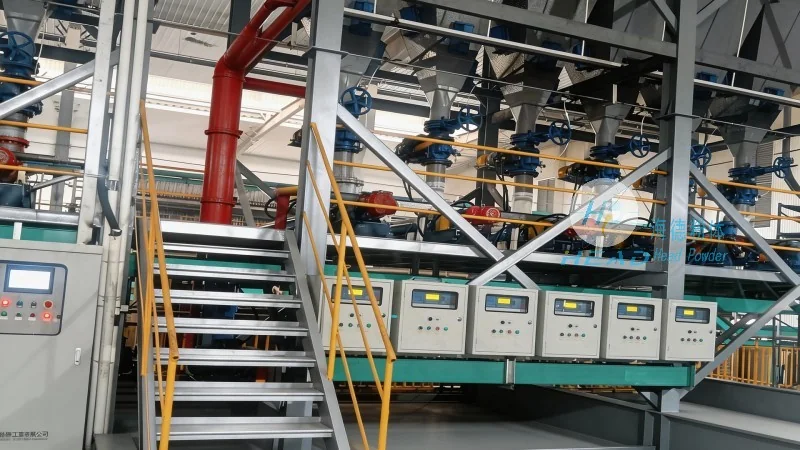
Designing an effective soil powder conveying system involves considering several critical principles. First, the material's physical properties, such as particle size, moisture content, and flowability, must be analyzed. This analysis helps determine the most suitable conveyor type and operating parameters. For example, cohesive soils may require a screw conveyor with a higher torque to prevent blockages, while free-flowing powders might benefit from a pneumatic system for faster transport.
Second, the system's operational requirements, including the required capacity, distance of transport, and environmental regulations, play a significant role in design. The system must be capable of handling the desired throughput without compromising efficiency or safety. Additionally, environmental considerations, such as dust control and noise reduction, are essential to meet regulatory standards and maintain a safe working environment.
HeadPowder's Approach to Soil Powder Conveying Systems
Shandong HeadPowder Engineering Co., Ltd., a leading provider of material handling solutions, specializes in designing and manufacturing soil powder conveying systems tailored to specific industry needs. With a focus on innovation and customer satisfaction, HeadPowder combines advanced engineering with practical application to deliver reliable and efficient systems. The company's expertise lies in understanding the unique challenges of soil and powder transport and developing customized solutions that address these challenges effectively.
Benefits of Using a Soil Powder Conveying System
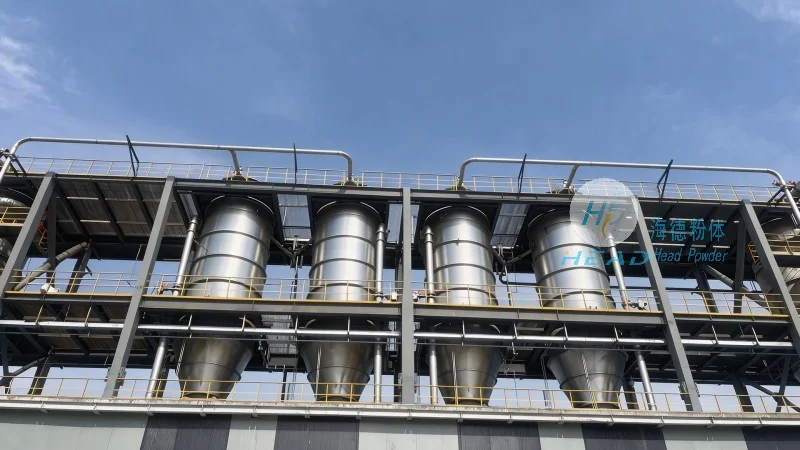
Implementing a soil powder conveying system offers numerous benefits for businesses in the construction, mining, and environmental sectors. These systems enhance operational efficiency by reducing material handling time and labor costs. By minimizing dust generation, they improve workplace safety and comply with environmental regulations. Additionally, the controlled transport of soil powders helps maintain material quality, preventing contamination and ensuring consistent product output.
Conclusion
In summary, soil powder conveying systems are essential for industries dealing with fine particulate materials. The design principles behind these systems prioritize material properties, operational efficiency, and environmental compliance. Companies like Shandong HeadPowder Engineering Co., Ltd. play a vital role in developing and implementing these systems, providing tailored solutions that meet the specific needs of their clients. By investing in advanced soil powder conveying systems, businesses can enhance productivity, ensure safety, and maintain environmental responsibility.




