Compound fertilizer production involves multiple stages, from raw material mixing to packaging. Among these, the efficient transportation of bulk materials is crucial for maintaining production efficiency and product quality. Pneumatic conveying equipment has emerged as a key solution for handling compound fertilizers, offering advantages such as dust-free operation, flexible layout, and high conveying capacity. This article delves into the principle of pneumatic conveying equipment used in compound fertilizer processing, highlighting its working mechanism, components, and practical applications.
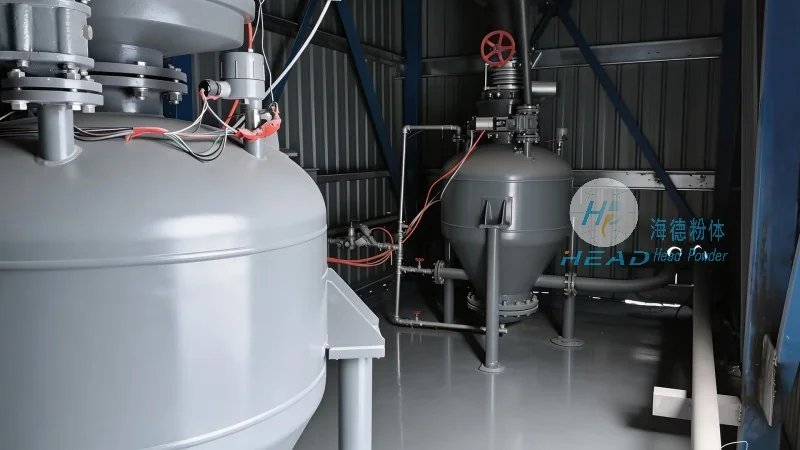
Working Principle of Pneumatic Conveying Systems
The core principle of pneumatic conveying is the use of air flow to transport bulk materials through a pipeline system. In a typical system, a blower or compressor generates a high-pressure air stream, which draws the fertilizer particles into the pipeline. The air and material mixture then travels through the conveying line, with the air providing the necessary force to move the particles. The system typically includes a hopper for material storage, a feeder to control the flow rate, a conveying line, and a receiver to collect the material at the destination. The choice of conveying mode—such as dilute-phase or dense-phase—depends on the material characteristics and required conveying distance.
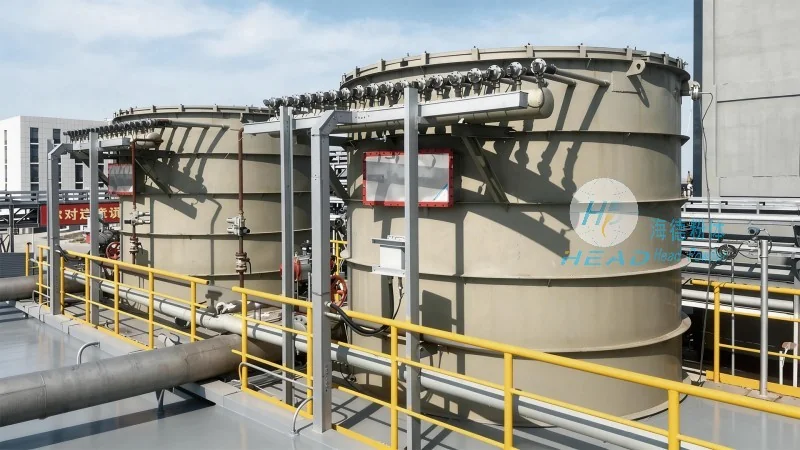
Key Components and Their Functions
Several critical components work together to ensure the smooth operation of pneumatic conveying equipment for compound fertilizers. The first is the air compressor, which generates the air pressure needed to move the material. This component can be a positive displacement blower or a centrifugal fan, selected based on the system's capacity and pressure requirements. Next is the material feeder, which controls the flow rate of the fertilizer into the conveying line. Feeder types include rotary valves, screw feeders, or vibratory feeders, each designed to handle different material properties and flow rates. The conveying line itself is usually made of stainless steel or other corrosion-resistant materials to prevent material buildup and ensure durability. The line may include bends, elbows, and expansion joints to accommodate changes in direction and elevation. Finally, the receiver or discharge hopper collects the material at the end of the conveying line, allowing for further processing or packaging.
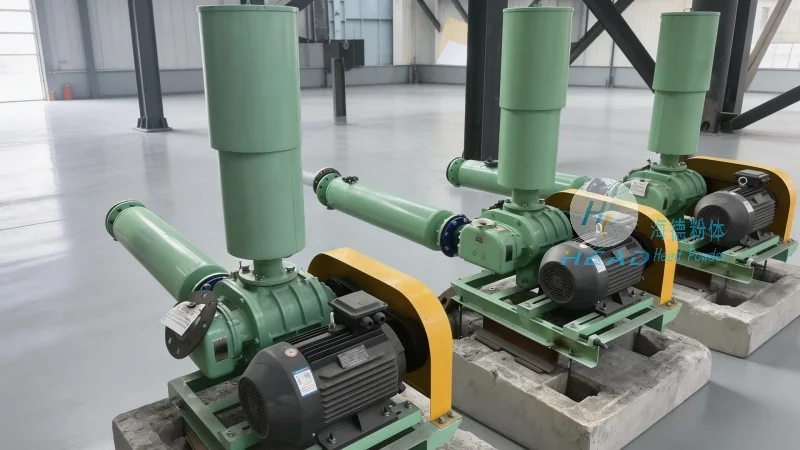
Advantages of Pneumatic Conveying in Fertilizer Production
Compared to traditional mechanical conveying methods, pneumatic conveying offers several advantages for compound fertilizer manufacturers. One of the most significant benefits is dust-free operation, which enhances workplace safety and reduces environmental contamination. This is particularly important for fertilizer production, where dust can be a health hazard and a regulatory concern. Another advantage is the flexibility in layout, as pneumatic systems can be easily reconfigured to adapt to changes in production lines or facility expansions. The high conveying capacity and ability to handle fine powders also contribute to improved production efficiency. Additionally, pneumatic conveying systems are relatively compact, requiring less floor space compared to traditional belt or bucket elevators.
Application Examples in Compound Fertilizer Plants
Pneumatic conveying equipment is widely used in various stages of compound fertilizer production. For instance, in the raw material handling stage, it can transport raw materials like urea, ammonium nitrate, and phosphate rock from storage silos to the mixing plant. During the mixing process, pneumatic conveyors are used to transfer the blended materials to the granulation or coating unit. After granulation, the product is conveyed to the drying and cooling section, where the material is further processed before packaging. The system can also be used for transporting finished products from the packaging line to storage or shipping areas. In each of these applications, the equipment ensures a continuous and reliable flow of material, minimizing downtime and improving overall plant efficiency.
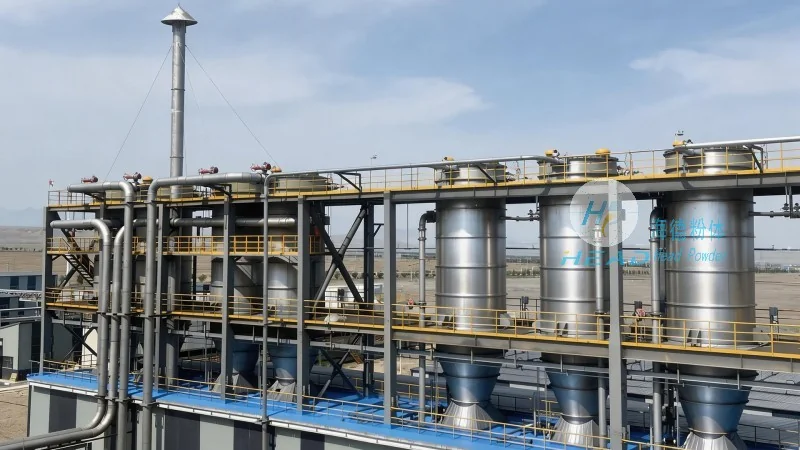
Company Profile: Shandong HeadPowder Engineering Co., Ltd.
Shandong HeadPowder Engineering Co., Ltd., commonly known as HeadPowder, is a leading manufacturer of pneumatic conveying equipment and related solutions for the fertilizer industry. With a strong focus on innovation and quality, the company has established itself as a trusted partner for fertilizer producers worldwide. HeadPowder's products are designed to meet the specific needs of compound fertilizer plants, offering customized solutions that enhance production efficiency and product quality. The company's facilities are located in Shandong, China, where it leverages advanced manufacturing technologies and a skilled workforce to produce high-performance equipment. HeadPowder's commitment to customer satisfaction and technical excellence has made it a preferred choice for businesses in the fertilizer sector.




