HeadPowder, a leading manufacturer based in Shandong, China, specializes in the design and production of advanced pneumatic conveying systems. This article delves into the fundamental principles underlying the operation of polyethylene gas-pneumatic conveying equipment, which is widely used in industrial applications for transporting bulk materials efficiently and safely.
Core Components and Working Mechanism
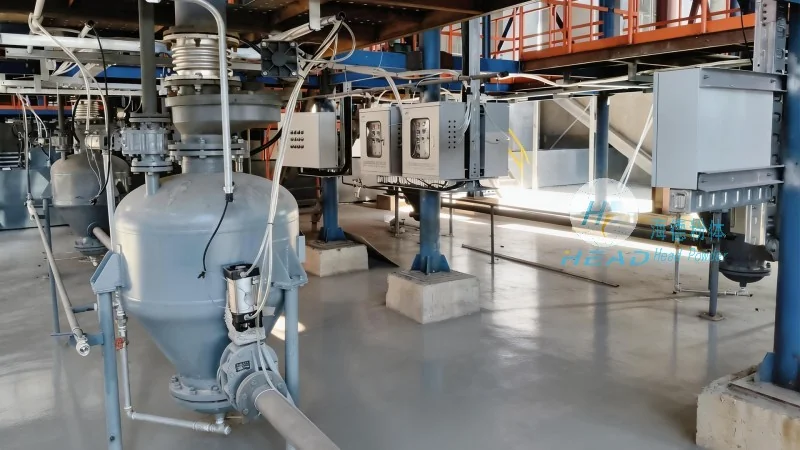
The polyethylene gas-pneumatic conveying system typically consists of several key components, including a material hopper, a rotary airlock valve, a conveying pipeline, a dust collector, and a control system. The working principle involves the use of compressed air to create a pressure differential that propels the polyethylene particles through the pipeline. As air is introduced into the hopper, it creates a low-pressure zone, drawing the polyethylene material into the conveying line. The rotary airlock valve regulates the flow of material from the hopper to the pipeline, ensuring a consistent and controlled feed. The conveying pipeline is designed with smooth, corrosion-resistant surfaces to minimize material degradation and blockages. A dust collector is integrated to capture any airborne particles, enhancing safety and compliance with environmental regulations.
Advantages of Polyethylene Gas-Pneumatic Conveying
Compared to traditional mechanical conveying methods, polyethylene gas-pneumatic conveying offers several advantages. It eliminates the need for moving parts in the conveying line, reducing maintenance requirements and extending equipment lifespan. The system is highly flexible, allowing for changes in material flow rates and pipeline configurations without significant modifications. Additionally, it provides excellent protection for the polyethylene material, preventing contamination and degradation from external factors. The use of compressed air also enables the conveyance of materials over long distances and through complex layouts, making it suitable for diverse industrial settings.
Application Scenarios
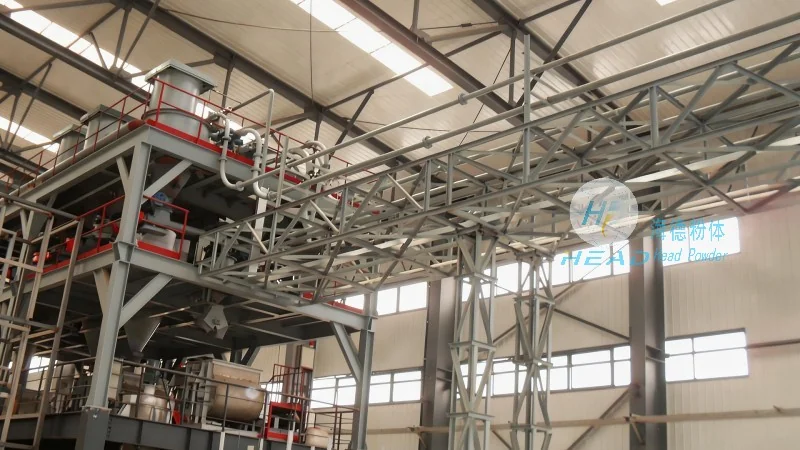
Polyethylene gas-pneumatic conveying equipment is widely applied in various industries, including chemical manufacturing, food processing, pharmaceuticals, and plastics processing. In chemical plants, it is used to transport raw polyethylene materials to processing units, ensuring a continuous and clean supply. In food processing facilities, the system is employed to handle food-grade polyethylene products, maintaining hygiene standards and preventing cross-contamination. The equipment is also utilized in pharmaceutical manufacturing to convey polyethylene components for packaging or processing, where precision and cleanliness are critical. In plastics processing plants, it facilitates the transport of polyethylene pellets or granules from storage to extrusion or molding machines, optimizing production efficiency.
Technical Specifications and Customization
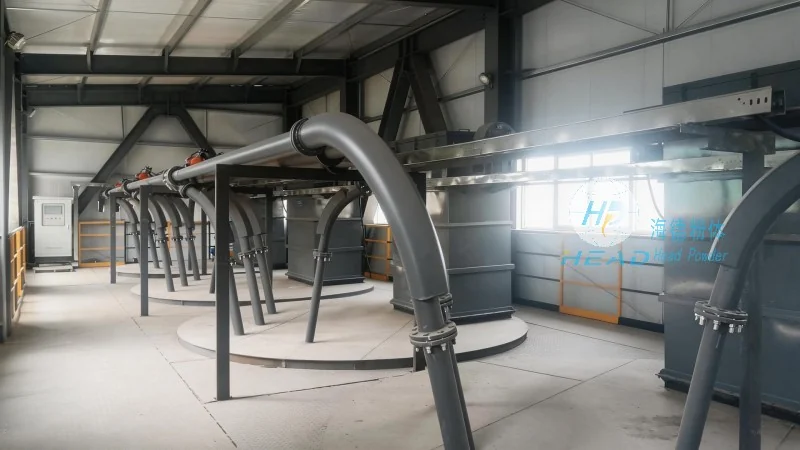
HeadPowder offers a range of polyethylene gas-pneumatic conveying systems tailored to specific industrial needs. The equipment is available in various sizes and configurations, accommodating different material flow rates and pipeline lengths. The company provides customized solutions based on client requirements, including adjustments to air pressure, pipeline diameter, and material handling capacity. Technical specifications such as maximum conveying distance, material throughput, and air consumption rates are carefully designed to meet the operational demands of each application. The systems are constructed using high-quality materials, such as stainless steel and polyethylene, ensuring durability and resistance to corrosion and wear.
Maintenance and Operational Guidelines
Proper maintenance is essential to ensure the optimal performance and longevity of polyethylene gas-pneumatic conveying equipment. Regular inspections of the material hopper, rotary airlock valve, and conveying pipeline are recommended to detect and address any potential issues early. Cleaning the system after each use helps prevent material buildup and blockages, which can reduce efficiency and increase maintenance costs. The control system should be monitored regularly to ensure proper operation of air pressure and flow rates. In case of system failures, HeadPowder provides technical support and maintenance services to minimize downtime and restore operations quickly. Following the manufacturer's guidelines for operational parameters, such as air pressure and material feed rate, is crucial to prevent equipment damage and ensure safe operation.




