At Shandong HeadPowder Engineering Co., Ltd., we specialize in providing advanced solutions for material handling, with a focus on pneumatic conveying systems designed for polyethylene applications. Our company, commonly known as HeadPowder, is based in Shandong, China, and has established itself as a leader in the field of industrial material transport technology. The principle of pneumatic conveying involves using air or gas to transport bulk materials through a pipeline system, offering efficient and flexible solutions for various industrial processes.
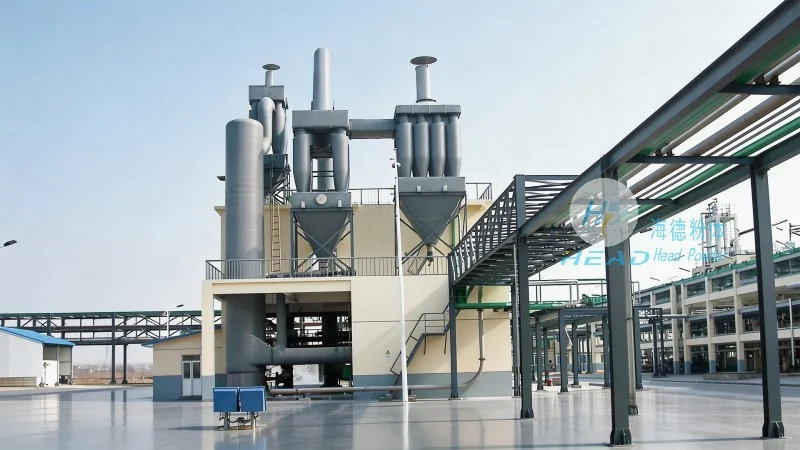
The Fundamental Principle of Pneumatic Conveying
Pneumatic conveying operates on the principle of creating a pressure differential within a pipeline to move material. In the case of polyethylene, which is a common plastic material used in many industries, the equipment must be designed to handle the specific properties of this material, such as its density, flowability, and potential for static charge. The system typically consists of a source of material, a conveying line, and a receiver. The material is introduced into the system, often through a hopper or feeder, and is then carried by the moving air stream. The velocity of the air and the design of the pipeline are critical factors in ensuring efficient and reliable transport.
Key Components of Polyethylene Pneumatic Conveying Systems
Several key components are essential for the proper functioning of a polyethylene pneumatic conveying system. These include the material feeder, which controls the flow rate of the polyethylene into the system; the conveying line, which can be either positive or negative pressure depending on the application; the air or gas source, which provides the necessary pressure to move the material; and the receiver, which collects the conveyed material at the destination. Each component must be carefully selected and designed to handle the specific characteristics of polyethylene, ensuring that the system operates efficiently and without damage to the material.
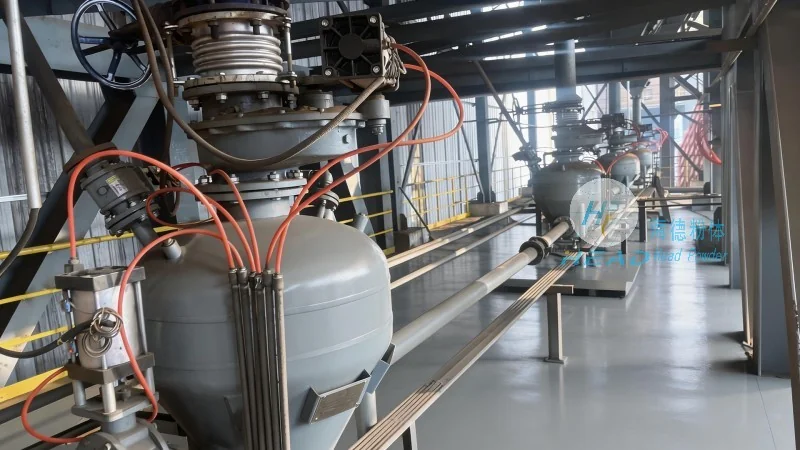
Advantages of Using Pneumatic Conveying for Polyethylene
Pneumatic conveying offers several advantages when used for polyethylene transport. These include the ability to handle fine or powdery polyethylene particles without the need for additional equipment like screw conveyors or belt conveyors. The system is also relatively compact and can be installed in tight spaces, making it suitable for facilities with limited floor space. Additionally, pneumatic conveying can reduce material handling costs by minimizing the need for manual labor and reducing the risk of material contamination. The technology also allows for better control over the flow rate and direction of the material, which is crucial for maintaining consistent product quality.
Applications and Industries
Polyethylene pneumatic conveying systems are widely used in various industries, including plastics manufacturing, chemical processing, and food processing. In the plastics industry, these systems are used to transport polyethylene pellets or powders from storage to processing equipment, such as extruders or injection molding machines. In chemical processing, they are used to move polyethylene powders or granules between different processing stages, ensuring a smooth and continuous production flow. The food processing industry also benefits from these systems, as they can handle polyethylene-based packaging materials or additives without the risk of contamination.
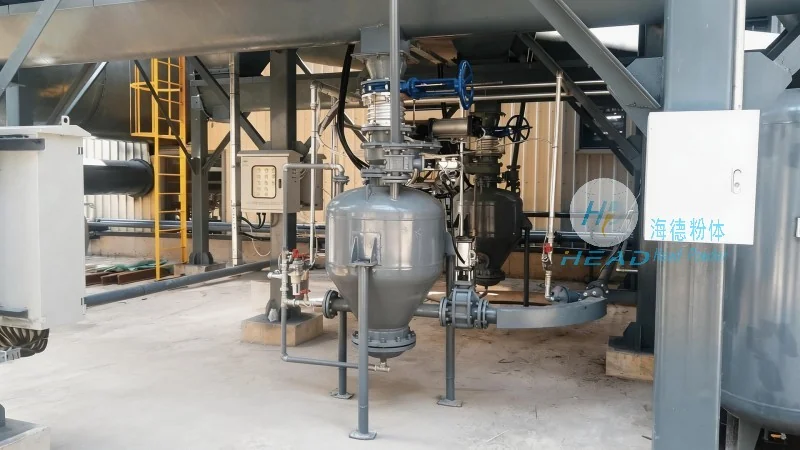
Design Considerations for Polyethylene Pneumatic Conveying
When designing a polyethylene pneumatic conveying system, several factors must be considered to ensure optimal performance. The first is the material's properties, such as its density, moisture content, and static charge. Polyethylene is often prone to static electricity, which can cause material buildup in the system. Therefore, anti-static measures, such as grounding and using conductive materials, are essential to prevent this issue. The second consideration is the system's pressure and velocity requirements. The velocity of the air must be sufficient to keep the material in suspension but not so high as to cause wear and tear on the pipeline or equipment. The third factor is the system's capacity, which must be matched to the production requirements of the facility. Proper sizing of the components, such as the feeder and the receiver, is crucial to avoid overloading or underutilizing the system.
Maintenance and Troubleshooting
Maintaining a polyethylene pneumatic conveying system is essential to ensure its long-term performance and reliability. Regular maintenance should include checking the air or gas source for proper pressure and flow, inspecting the conveying line for blockages or wear, and cleaning the feeder and receiver to prevent material buildup. Troubleshooting common issues, such as clogs or reduced flow, involves checking the material feeder for proper operation, ensuring that the air velocity is sufficient, and inspecting the pipeline for any obstructions. In some cases, the system may need to be cleaned or the components may need to be replaced to restore optimal performance.




