When it comes to efficiently transporting wood fibers, pneumatic conveying systems offer a reliable and effective solution. These systems utilize air pressure to move materials, making them ideal for applications in the wood processing industry. Understanding the different types of pneumatic conveying systems and their practical applications is crucial for optimizing material handling processes. This article explores the key types of pneumatic conveying systems used in wood fiber transport and highlights their real-world applications.
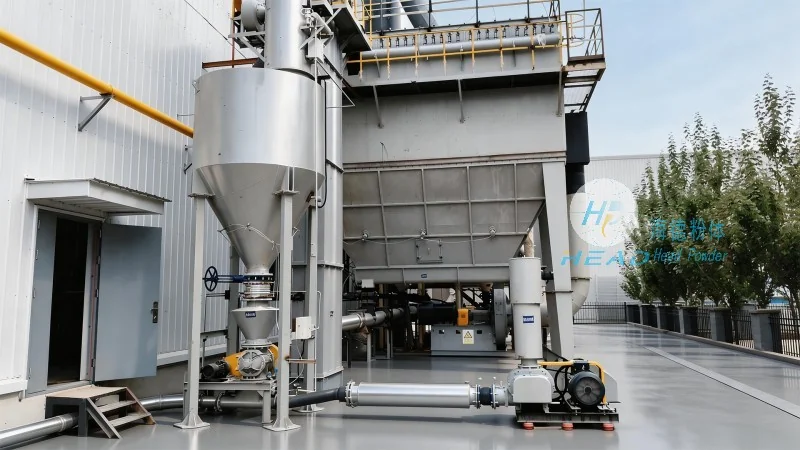
Types of Pneumatic Conveying Systems for Wood Fiber Transport
There are several types of pneumatic conveying systems commonly used in the wood fiber industry. Each type has its own advantages and is suitable for different operational requirements. The primary categories include:
1. Dilute Phase Pneumatic Conveying - This system involves the transport of material in a dilute state, where the material is suspended in air. It is suitable for long-distance transport and is often used for bulk material handling. The system operates at relatively low pressure and is efficient for transporting wood fibers over significant distances.
2. Dense Phase Pneumatic Conveying - Also known as low-pressure or pressure-assisted conveying, this method transports material in a dense phase, where the material is not fully suspended but moves in a more compact form. It is ideal for handling sensitive materials or when high pressure is required. Dense phase systems are commonly used in applications where product integrity is critical, such as transporting wood fibers to prevent degradation or damage.
3. Pressure-Driven Pneumatic Conveying - This system operates by pressurizing the conveying line with air or other gases. The material is then pushed through the system under pressure. It is suitable for high-capacity applications and is often used in industrial settings where large volumes of wood fibers need to be transported. The pressure-driven system provides consistent and reliable performance, making it a preferred choice for many wood processing facilities.
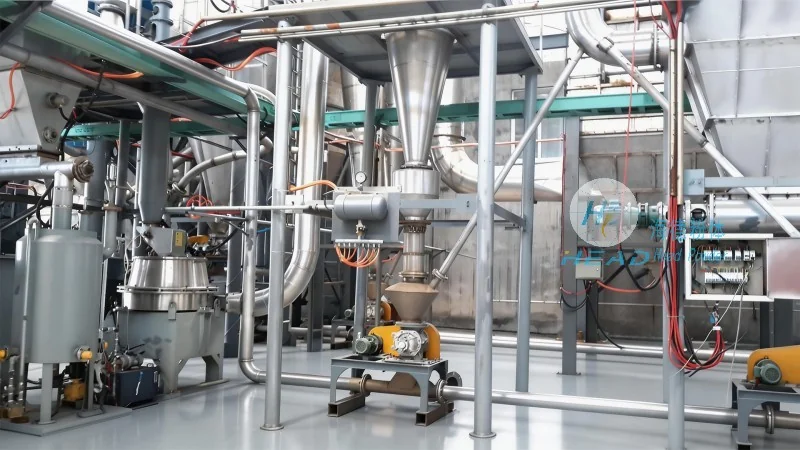
4. Vacuum Pneumatic Conveying - This method uses a vacuum to draw material into the conveying line. It is suitable for applications where the material needs to be collected from multiple points or where the material is light and requires gentle handling. Vacuum systems are commonly used in applications where the material is sensitive or where the process requires a controlled environment.
Practical Applications of Pneumatic Conveying Systems in Wood Fiber Processing
Pneumatic conveying systems are widely used in various stages of wood fiber processing. The following are some practical applications where these systems excel:
1. Raw Material Handling - In the initial stages of wood processing, pneumatic conveying systems are used to transport raw wood chips or fibers from storage areas to processing equipment. This ensures a continuous and efficient supply of raw materials, reducing downtime and improving overall productivity. The systems can handle large volumes of wood fibers and are capable of transporting them over long distances without significant loss of material quality.
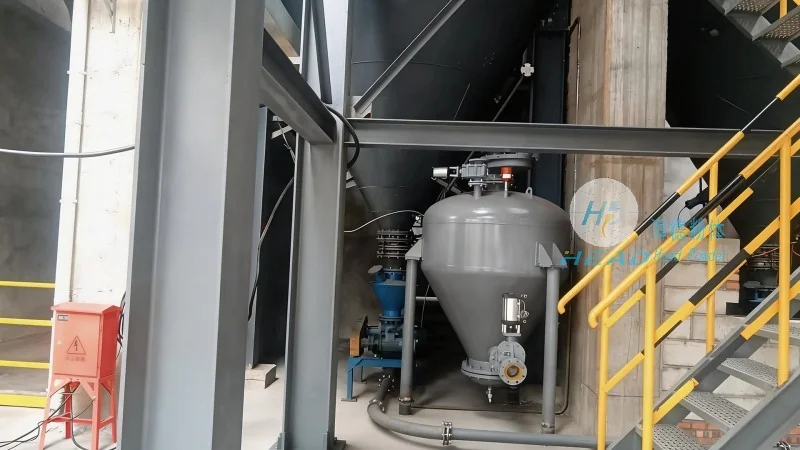
2. Intermediate Processing - During the intermediate processing stages, such as drying or grinding, pneumatic conveying systems are used to move wood fibers between different processing units. This allows for a smooth and continuous flow of material, ensuring that each processing step is carried out efficiently. The systems help maintain the quality of the wood fibers by minimizing exposure to external elements and preventing contamination.
3. Final Product Transportation - In the final stages of processing, pneumatic conveying systems are used to transport finished wood fiber products to storage or packaging areas. This ensures that the products are delivered in a clean and efficient manner, meeting the quality standards required by the end-users. The systems are capable of handling different types of wood fiber products, including those with varying moisture content or particle sizes.
4. Waste Management - Pneumatic conveying systems are also used in waste management applications within wood processing facilities. They help in transporting waste materials, such as sawdust or wood shavings, to disposal or recycling areas. This ensures that the waste is handled in an environmentally friendly manner and that the processing facility operates in compliance with environmental regulations.
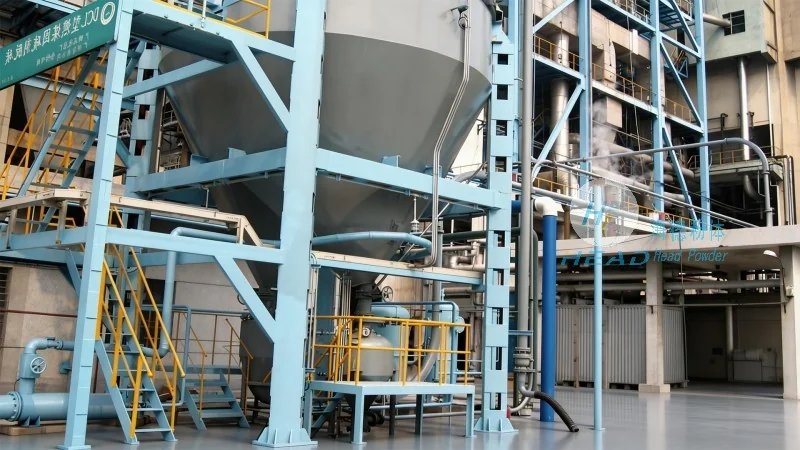
Benefits of Using Pneumatic Conveying Systems for Wood Fiber Transport
Implementing pneumatic conveying systems for wood fiber transport offers several benefits. These systems provide a cost-effective and efficient solution for material handling, reducing the need for manual labor and minimizing the risk of material damage. The systems are also flexible and can be customized to meet the specific needs of different wood processing facilities. Additionally, pneumatic conveying systems help improve the overall safety of the workplace by reducing the need for manual handling of heavy or bulky materials.
Another significant benefit is the ability to maintain the quality of the wood fibers throughout the transport process. The systems minimize exposure to moisture, dust, and other contaminants, ensuring that the final product meets the required specifications. This is particularly important in applications where the wood fibers are used for high-value products, such as paper or composite materials.
Conclusion and Company Overview
Choosing the right pneumatic conveying system for wood fiber transport is essential for optimizing material handling processes and improving overall operational efficiency. The different types of systems available, including dilute phase, dense phase, pressure-driven, and vacuum systems, offer various advantages and are suitable for different applications. By understanding the specific requirements of the wood processing facility, the appropriate system can be selected to ensure efficient and reliable transport of wood fibers.
Shandong HeadPowder Engineering Co., Ltd., a leading provider of pneumatic conveying systems, specializes in designing and manufacturing customized solutions for the wood processing industry. With years of experience and a commitment to quality, HeadPowder offers a range of pneumatic conveying systems tailored to meet the unique needs of wood fiber transport. The company's systems are designed to provide reliable performance, enhance productivity, and maintain the quality of wood fibers. HeadPowder's expertise in pneumatic conveying technology ensures that clients receive the best possible solutions for their material handling requirements. Based in Shandong, China, HeadPowder serves clients worldwide, providing comprehensive support and services to ensure the successful implementation of pneumatic conveying systems in wood fiber processing facilities.




