Winery residue, commonly known as grape pomace, is a byproduct of wine production that requires efficient and reliable transport solutions. Pneumatic conveying systems have emerged as a preferred method for handling these residues due to their ability to transport materials over long distances, with minimal environmental impact and operational flexibility. This article explores the different types of pneumatic conveying systems used in winery residue transport and their practical applications, highlighting the expertise of Shandong HeadPowder Engineering Co., Ltd., a leading provider of such solutions based in Shandong, China.
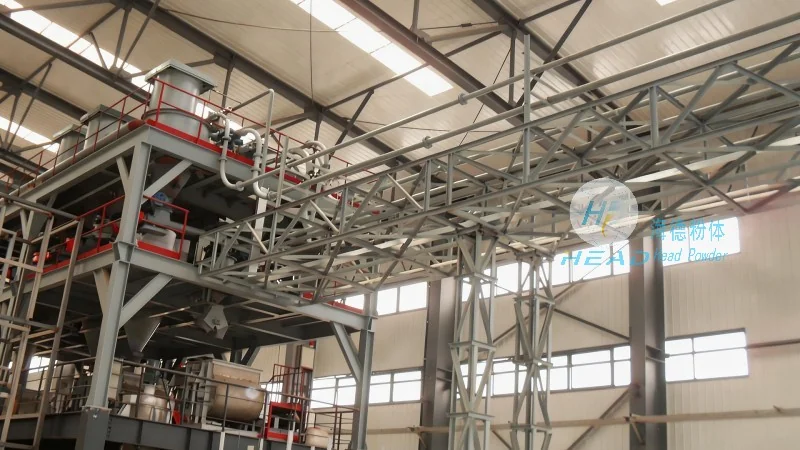
Introduction to Pneumatic Conveying Systems for Winery Residue
Winery residue, primarily composed of grape skins, seeds, and pulp, poses unique challenges during transportation. Traditional methods such as trucks or conveyor belts may be inefficient, costly, and environmentally unfriendly. Pneumatic conveying systems, which use air pressure to move materials through a pipeline, offer a more sustainable and effective alternative. These systems are particularly suitable for winery residues due to their ability to handle abrasive and fibrous materials while minimizing dust emissions and ensuring consistent flow rates.
Types of Pneumatic Conveying Systems for Winery Residue Transport
There are two main categories of pneumatic conveying systems: positive pressure and negative pressure systems. Each type has distinct characteristics and is suited to different operational requirements.
Positive Pressure Systems
Positive pressure systems operate by blowing air into the conveying line, pushing the material forward. These systems are ideal for applications where the material needs to be transported over long distances or through complex layouts. They are also suitable for handling materials that are prone to clogging or require high velocity to maintain flow. For winery residues, positive pressure systems can effectively transport pomace from the press to storage silos or processing facilities without the need for multiple transfer points.
Negative Pressure Systems
Negative pressure systems, also known as vacuum systems, operate by creating a vacuum in the conveying line, drawing the material into the pipeline. These systems are commonly used for short to medium distance transport and are particularly effective for handling fine or dusty materials. In winery residue applications, negative pressure systems can be used to collect pomace from multiple points and transport it to a central collection point, reducing the need for manual handling and improving overall operational efficiency.
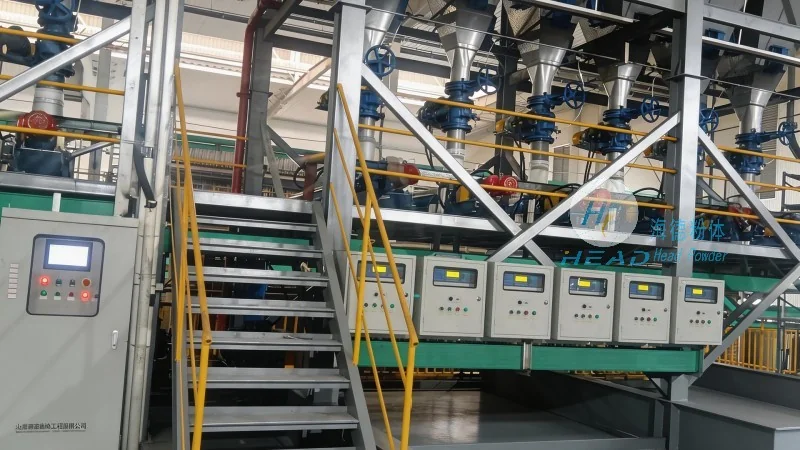
Practical Applications of Pneumatic Conveying Systems
Shandong HeadPowder Engineering Co., Ltd. has successfully implemented pneumatic conveying systems in numerous wineries across China. These systems have been tailored to meet the specific needs of each facility, ensuring optimal performance and minimal downtime.
Application 1: Long-Distance Transport from Press to Storage
In many wineries, the distance between the grape press and the storage silos can be significant, often requiring multiple transfer points and manual labor. By implementing a positive pressure pneumatic conveying system, wineries can transport pomace directly from the press to the storage silos, reducing the risk of material loss and contamination. This not only improves operational efficiency but also enhances the quality of the final product by minimizing exposure to air and moisture.
Application 2: Multi-Point Collection and Central Processing
Some wineries have multiple press lines or production areas, each generating pomace that needs to be collected and processed. A negative pressure system can be used to collect pomace from these different points and transport it to a central processing facility. This approach streamlines the handling process, reduces labor costs, and ensures that all residues are processed uniformly, improving the overall yield and quality of the byproducts.
Application 3: Integration with Other Processing Equipment
Pneumatic conveying systems can be integrated with other processing equipment, such as driers or extractors, to create a seamless production line. For example, after the pomace is transported to a storage silo, it can be conveyed to a drier using a positive pressure system, where it is dried and processed into animal feed or other value-added products. This integration enhances the overall efficiency of the winery's operations and maximizes the economic value of the residues.
Advantages of Pneumatic Conveying Systems for Winery Residue
Compared to traditional transportation methods, pneumatic conveying systems offer several advantages that make them ideal for winery residue transport.
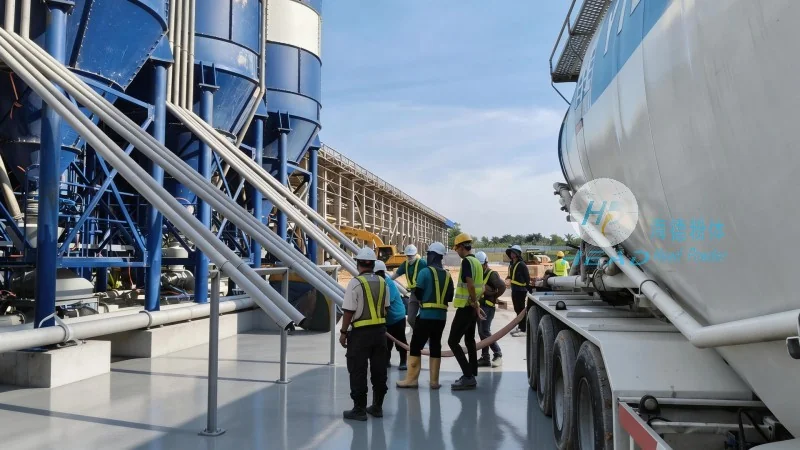
Environmental Benefits
One of the key advantages of pneumatic conveying systems is their minimal environmental impact. Unlike trucks or open conveyor belts, these systems are enclosed, preventing dust and odors from being released into the environment. This helps wineries comply with environmental regulations and maintain a positive public image.
Operational Efficiency
Pneumatic conveying systems can transport materials at high speeds and over long distances with minimal labor. This reduces the need for manual handling and improves the overall throughput of the winery. Additionally, these systems can be automated, allowing for continuous operation and reduced downtime.
Material Handling Flexibility
These systems are highly flexible and can be adapted to handle a wide range of materials, including wet or dry pomace. They can also be configured to transport materials at different temperatures, making them suitable for various processing stages.
Conclusion
Pneumatic conveying systems are a reliable and efficient solution for winery residue transport. By understanding the different types of systems available and their practical applications, wineries can select the most suitable solution for their specific needs. Shandong HeadPowder Engineering Co., Ltd. specializes in designing and implementing these systems, providing wineries with the tools they need to optimize their operations and maximize the value of their byproducts. With their expertise and commitment to quality, HeadPowder is a trusted partner for wineries looking to improve their residue handling processes.




