Flour powder material pneumatic conveying equipment operates based on the principle of transporting bulk materials through a gas stream. The system typically involves a hopper where the flour powder is stored, a blower or compressor that generates the air flow, and a pipeline network that conveys the material from the source to the destination. In a positive pressure system, the blower pushes air into the hopper, creating an upward flow that lifts the flour powder and carries it through the pipeline. The air and powder mixture then exits the pipeline at the receiving end, where a separator or cyclone separates the powder from the air, allowing the powder to be collected in a container. Negative pressure systems, on the other hand, use a vacuum to draw the powder from the hopper into the pipeline, with the air flow being drawn through the system. Both systems rely on the interaction between the air velocity and the particle size of the flour powder to ensure efficient transport. The key is maintaining an appropriate air-to-material ratio to prevent clogging and ensure consistent flow rates.
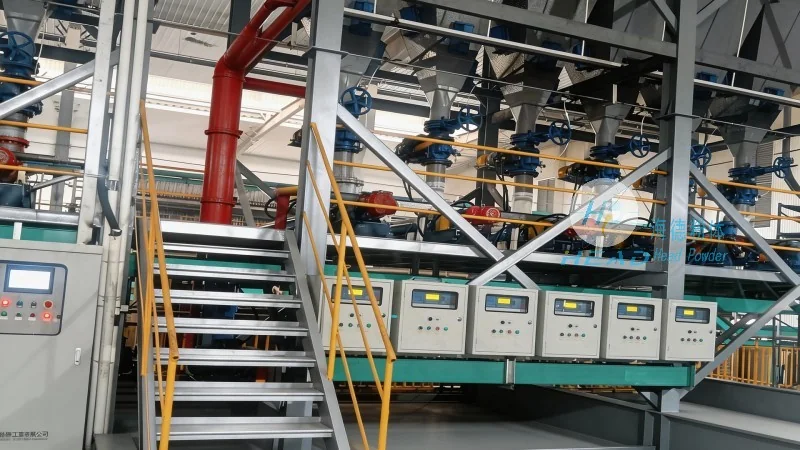
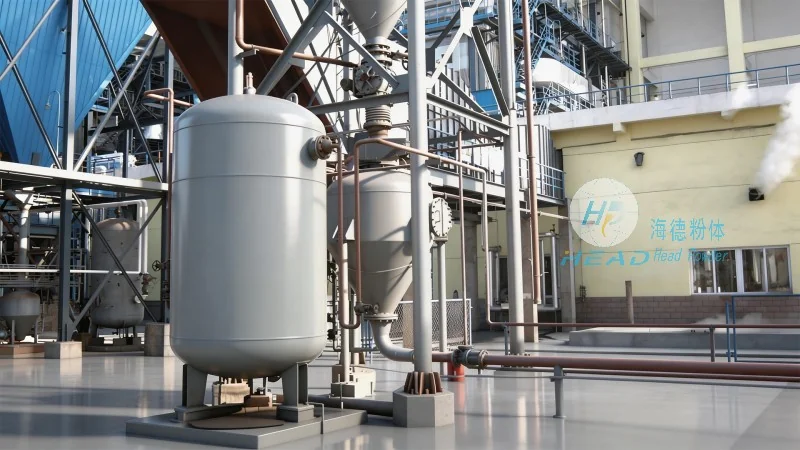
Key Features of Flour Powder Pneumatic Conveying Equipment
HeadPowder Engineering Co., Ltd. offers pneumatic conveying systems tailored for flour powder applications, featuring several distinct advantages. Firstly, the equipment provides a clean and hygienic method of material transport, as it avoids direct contact with the powder and minimizes dust generation compared to traditional mechanical conveyors. This is crucial in food processing environments where contamination control is paramount. Secondly, the system offers high efficiency and flexibility, capable of transporting flour powder over long distances and varying elevations without the need for multiple transfer points. The modular design allows for easy integration into existing production lines, and the ability to handle different powder types with minimal adjustments makes it versatile. Additionally, the maintenance requirements are relatively low, as the system has fewer moving parts compared to mechanical conveyors, reducing downtime and operational costs. The use of advanced control systems ensures precise regulation of air flow and pressure, optimizing the conveying process and minimizing energy consumption. These features collectively make the pneumatic conveying equipment an ideal solution for flour powder handling in industrial settings.
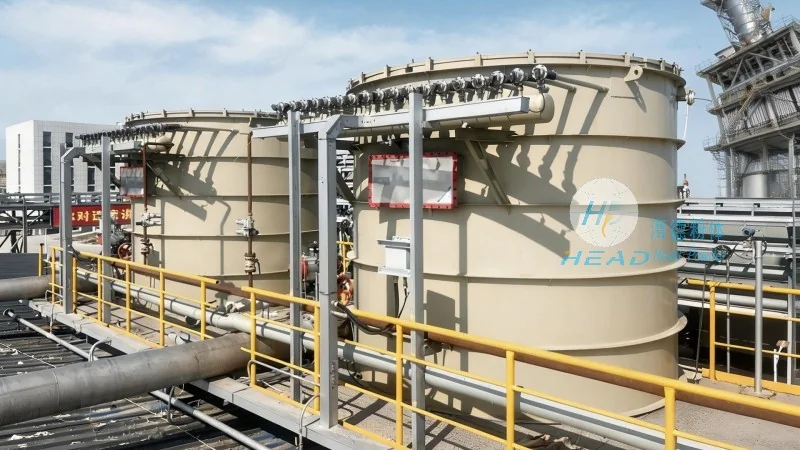
Customization and Application in Flour Processing
Shandong HeadPowder Engineering Co., Ltd. specializes in developing customized pneumatic conveying solutions that meet the specific needs of flour processing facilities. The company’s engineers work closely with clients to assess their production requirements, including the volume of flour powder to be transported, the distance and elevation changes, and the environmental conditions of the facility. Based on these assessments, the system is designed with appropriate components such as high-efficiency blowers, suitable pipeline diameters, and effective separation equipment. For example, in a large-scale flour mill, the conveying system may need to handle thousands of kilograms of flour per hour over a distance of several hundred meters, requiring a robust positive pressure system with a large-capacity blower. The company’s expertise in material flow dynamics ensures that the design optimizes the air-to-material ratio, preventing excessive air usage and maintaining stable conveying performance. Furthermore, the equipment is constructed with materials that are resistant to the corrosive and abrasive nature of flour powder, ensuring long-term durability and minimal maintenance. The integration of sensors and monitoring systems allows for real-time tracking of the conveying process, enabling operators to detect any deviations and take corrective actions promptly. This level of customization and attention to detail ensures that the pneumatic conveying equipment not only meets but exceeds the operational expectations of flour processing plants.
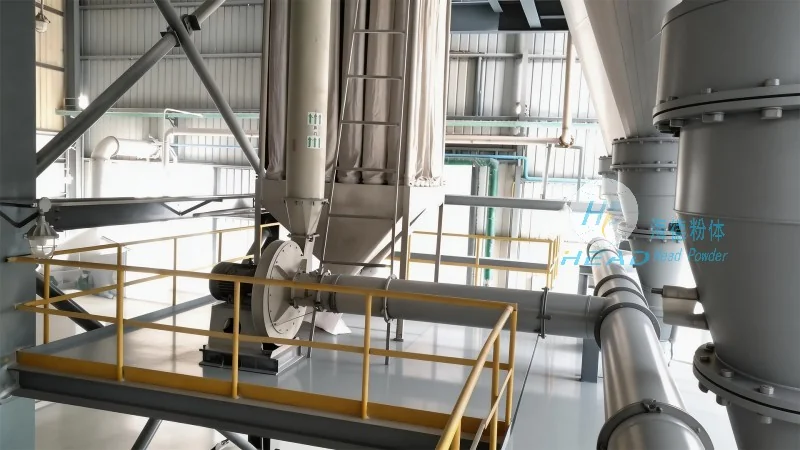
Benefits for Flour Processing Industries
The adoption of flour powder pneumatic conveying equipment by HeadPowder Engineering Co., Ltd. brings numerous benefits to flour processing industries. The primary advantage is the significant reduction in labor costs associated with manual handling and loading of flour powder. By automating the transport process, the system minimizes the need for manual labor, reducing the risk of accidents and improving overall workplace safety. Additionally, the clean and hygienic nature of the equipment helps maintain compliance with food safety regulations, as it prevents cross-contamination and dust accumulation in the production environment. This is particularly important in facilities that handle high-quality flour for bakery or confectionery products, where product purity is a critical factor. The efficiency of the system also translates into reduced energy consumption, as the optimized air flow and pressure control minimize unnecessary energy usage. Over time, this leads to lower operational costs and a more sustainable operation. Furthermore, the reliability of the pneumatic conveying system ensures consistent production output, as it eliminates the bottlenecks and delays often associated with mechanical conveyors. The ability to handle different powder types and adjust the system parameters on the fly allows for flexibility in production, enabling manufacturers to adapt to changing market demands without significant modifications to the equipment. These benefits collectively contribute to improved productivity, cost savings, and enhanced product quality in flour processing operations.




