High-pressure dilute-phase material pneumatic conveying systems represent a sophisticated technology in material handling, designed to transport bulk materials through a pipeline using pressurized air or gas. This method is particularly effective for handling a wide range of powders and granular materials, offering advantages in terms of efficiency, flexibility, and safety compared to traditional mechanical conveying methods. The core of this technology lies in the ability to maintain a low solid concentration in the conveying medium, which minimizes blockages and ensures smooth material flow.
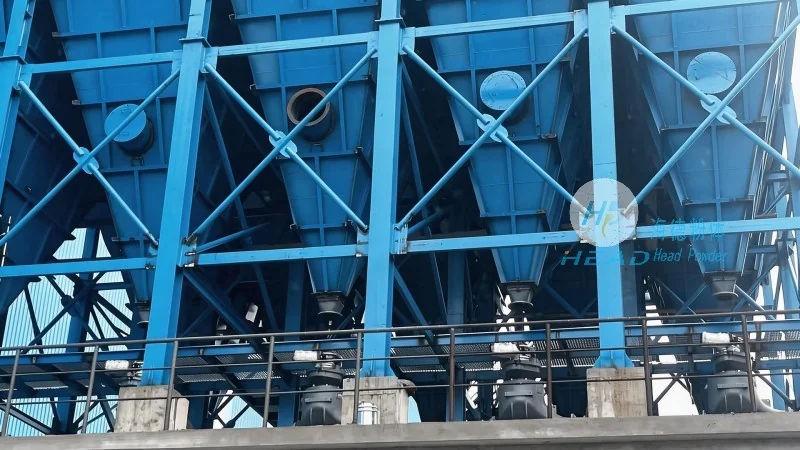
The working principle of a high-pressure dilute-phase pneumatic conveyor involves several key components and processes. At the heart of the system is a high-pressure air compressor that generates the necessary pressure to move the material. The material is fed into the system via a hopper or feeder, where it is mixed with the pressurized air. As the mixture travels through the pipeline, the air velocity is maintained at a level sufficient to keep the material suspended, preventing it from settling or clogging the line. The system typically includes a series of valves, filters, and controls to regulate the flow and pressure, ensuring optimal performance. The discharge end of the system may feature a cyclone separator or other equipment to separate the material from the air before the material is collected in a receiving hopper.
One of the primary advantages of high-pressure dilute-phase conveying is its ability to handle materials with varying properties, including those that are abrasive, corrosive, or sensitive to moisture. The low concentration of solids in the conveying stream reduces wear on the pipeline and components, extending their service life. Additionally, this method allows for the transportation of materials over long distances without the need for intermediate storage or transfer points, which can enhance operational efficiency and reduce downtime. The system is also relatively compact and can be integrated into existing industrial facilities, making it a versatile solution for various applications.
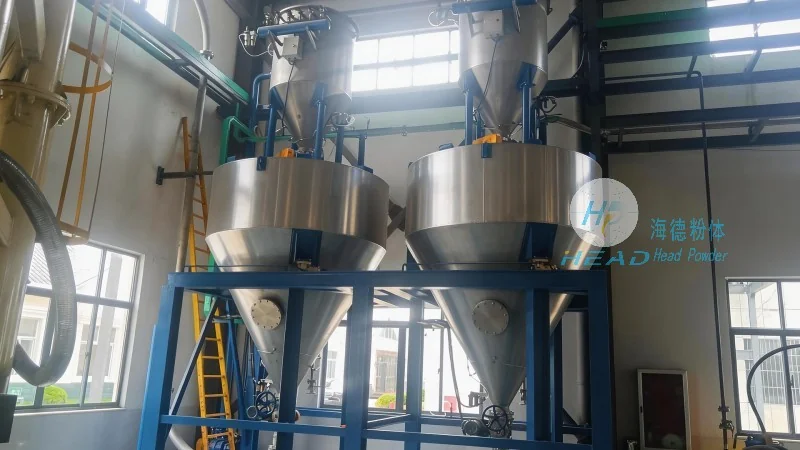
Another significant feature is the system's adaptability to different material types and flow rates. By adjusting the air pressure and flow rate, operators can control the conveying capacity and ensure that the material is transported at the desired speed. This flexibility is crucial in industries such as pharmaceuticals, food processing, and chemical manufacturing, where material purity and consistency are critical. The high-pressure design also enables the system to handle materials that are difficult to convey using other methods, such as those with high moisture content or those that tend to agglomerate.
From a technical perspective, the high-pressure dilute-phase system operates by creating a high-velocity air stream that suspends the material particles. The air velocity must be sufficient to overcome the gravitational forces acting on the particles, ensuring that they remain in suspension throughout the conveying process. The pressure drop along the pipeline is carefully managed to maintain the required velocity, and the system is equipped with pressure sensors and control valves to adjust the air flow as needed. This precise control over pressure and flow is essential for maintaining the stability of the conveying stream and preventing any potential blockages or inefficiencies.
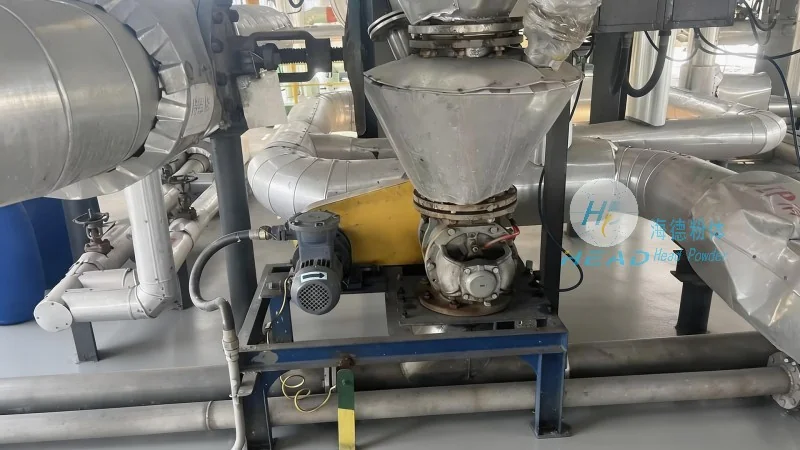
When considering the application of high-pressure dilute-phase material conveying, several factors must be taken into account. The type of material being conveyed, its particle size distribution, and its physical properties all influence the design and operation of the system. For example, materials with larger particles may require higher air velocities to maintain suspension, while materials that are prone to agglomeration may need additional equipment, such as a de-agglomerator, to ensure proper flow. The system's capacity and the distance over which the material is to be transported are also critical considerations, as these factors determine the size and power requirements of the air compressor and other components.
Shandong HeadPowder Engineering Co., Ltd., a leading manufacturer in the field, specializes in the design, manufacturing, and installation of high-pressure dilute-phase pneumatic conveying systems. With years of experience and a commitment to quality, the company provides customized solutions tailored to the specific needs of its clients. HeadPowder's systems are engineered to meet the highest standards of performance and reliability, ensuring that they deliver optimal results in various industrial applications. The company's facilities are located in Shandong, China, where it leverages advanced technology and skilled personnel to develop innovative solutions for material handling challenges.




