HeadPowder, a leading engineering firm based in Shandong, China, specializes in the design and implementation of advanced material handling systems. This article focuses on the design of a lithium cobalt oxide (LiCoO₂) pneumatic conveying system, highlighting key considerations, technical specifications, and practical applications in the battery materials industry.
Introduction to Lithium Cobalt Oxide and Pneumatic Conveying
Lithium cobalt oxide is a critical cathode material used in lithium-ion batteries, renowned for its high energy density and stable electrochemical performance. Efficient and safe material handling of LiCoO₂ is essential to maintain product quality and ensure operational safety in battery manufacturing facilities. Pneumatic conveying systems offer a non-contact, dust-free method for transporting fine powders like LiCoO₂, making them ideal for applications where contamination and material degradation must be minimized.
Key Design Considerations for the System
The design of a LiCoO₂ pneumatic conveying system involves several critical factors to ensure optimal performance and reliability. First, material properties such as particle size, density, and moisture content are analyzed to select appropriate air velocities and system configurations. For LiCoO₂, which typically consists of fine particles (often below 10 µm), high air velocities are required to prevent particle settling and ensure smooth transport. The system design also considers the need for explosion-proof and dust-proof measures, as LiCoO₂ powders are flammable and can create explosive dust clouds under certain conditions.
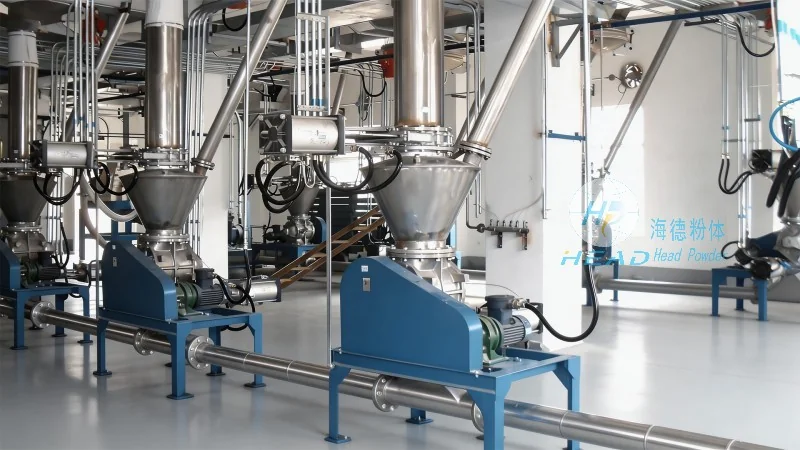
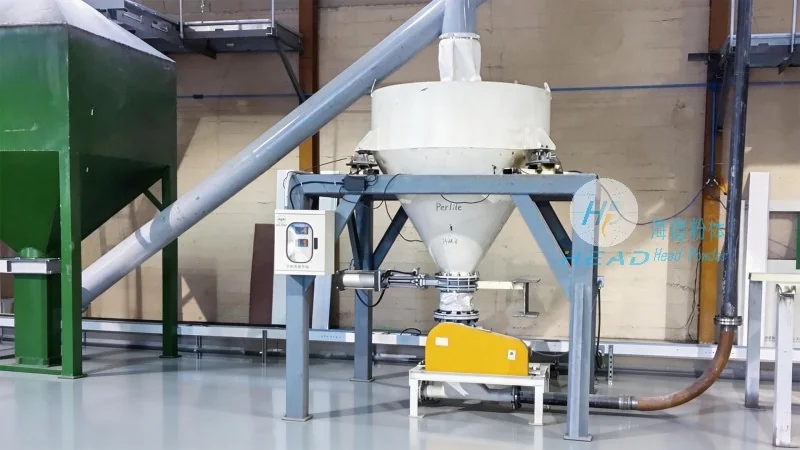
Another crucial aspect is the selection of components, including the hopper, feeder, pipeline, and receiver. The hopper must be designed to prevent material bridging and agglomeration, which can disrupt flow. A rotary valve or star feeder is commonly used to control the discharge rate from the hopper, ensuring a consistent feed to the conveying line. The pipeline material is typically stainless steel or special alloys to resist corrosion from the LiCoO₂ powder and to maintain hygiene standards. The receiver, where the material is deposited, is equipped with dust collection systems to capture any airborne particles and prevent environmental contamination.
System Components and Operational Principles
The pneumatic conveying system for LiCoO₂ typically operates on the principle of air suspension, where the powder is suspended in a stream of air and transported through the pipeline. The system can be categorized as either pressure or vacuum type, depending on the application requirements. For high-volume transport over long distances, a pressure system (where air is supplied under pressure at the inlet) is often preferred. This design allows for higher air velocities and more efficient material transport, reducing the risk of blockages and ensuring consistent flow rates.
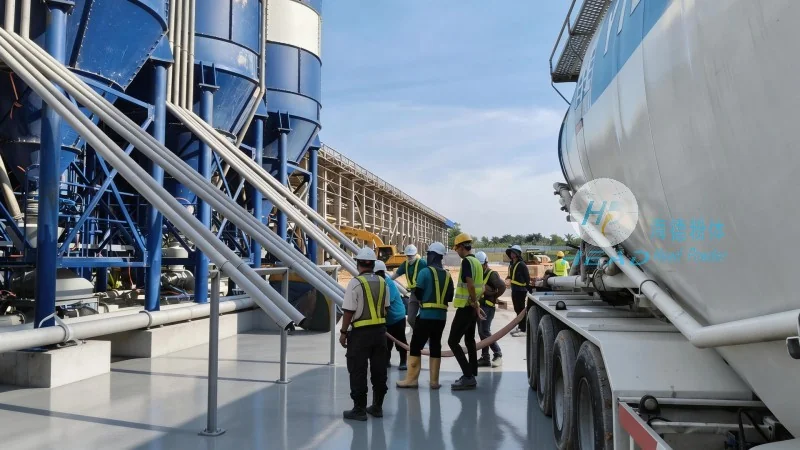
Key components of the system include the blower or compressor, which generates the necessary air pressure, and the air filter and moisture separator, which maintain air quality and prevent moisture from entering the system. The pipeline layout is carefully planned to minimize bends and changes in direction, as sharp turns can cause particle separation and increase the risk of blockages. Additionally, the system incorporates safety features such as pressure relief valves and dust explosion suppression systems to protect against potential hazards.
Advantages of the Pneumatic Conveying System
Implementing a pneumatic conveying system for LiCoO₂ offers several advantages over traditional methods like belt conveyors or manual handling. The most significant benefit is the elimination of direct contact between the material and equipment, which reduces the risk of contamination and material degradation. This is particularly important for LiCoO₂, as even minor impurities can affect battery performance. Additionally, the system provides a dust-free environment, improving workplace safety and reducing the need for extensive cleaning and maintenance.
Another advantage is the ability to transport materials over long distances and vertical heights without the need for multiple transfer points. This simplifies the overall material handling process and reduces the footprint of the facility. The system also offers flexibility in terms of layout, allowing for easy integration with existing production lines and future expansion. Furthermore, the automated control of the system enhances operational efficiency and reduces labor costs, making it a cost-effective solution for large-scale battery manufacturing.
Application in Battery Manufacturing
The LiCoO₂ pneumatic conveying system is widely used in the battery manufacturing industry, particularly in the production of lithium-ion batteries for electric vehicles and consumer electronics. The system is integrated into the cathode material processing line, where LiCoO₂ is transported from storage hoppers to mixing and coating equipment. The consistent and controlled flow of material ensures uniform mixing with other components, such as conductive agents and binders, which is critical for achieving the desired battery performance.
In addition to the main production line, the system can also be used for material transfer between different stages of the battery manufacturing process, such as from the coating line to the drying and calendering equipment. The ability to handle fine powders efficiently and safely makes the system an essential part of modern battery production facilities. By maintaining the quality and purity of the LiCoO₂ material, the system contributes to the overall performance and reliability of the final battery products.
Conclusion and Company Expertise
Designing and implementing a reliable LiCoO₂ pneumatic conveying system requires a deep understanding of material properties, engineering principles, and safety standards. HeadPowder Engineering, with its headquarters in Shandong, China, has extensive experience in developing customized material handling solutions for the battery industry. By combining advanced technology with rigorous safety measures, HeadPowder ensures that its pneumatic conveying systems meet the highest industry standards and deliver optimal performance for its clients.
Whether for new facility construction or system upgrades, HeadPowder provides comprehensive engineering services, including system design, component selection, installation, and commissioning. The company's commitment to quality and customer satisfaction has made it a trusted partner for battery manufacturers worldwide. With a focus on innovation and safety, HeadPowder continues to advance the technology of material handling systems, supporting the growth and development of the battery industry.




