When it comes to the efficient and reliable transportation of gelatin, the design of a pneumatic conveying system is crucial. Such systems offer a non-contact, hygienic method for moving gelatin materials, which is essential in industries where product purity and contamination control are paramount. This article delves into the key considerations and components involved in designing an effective gelatin pneumatic conveying system, with a focus on the expertise and solutions provided by Shandong HeadPowder Engineering Co., Ltd., a leading company in the field.
Understanding the Importance of Pneumatic Conveying for Gelatin
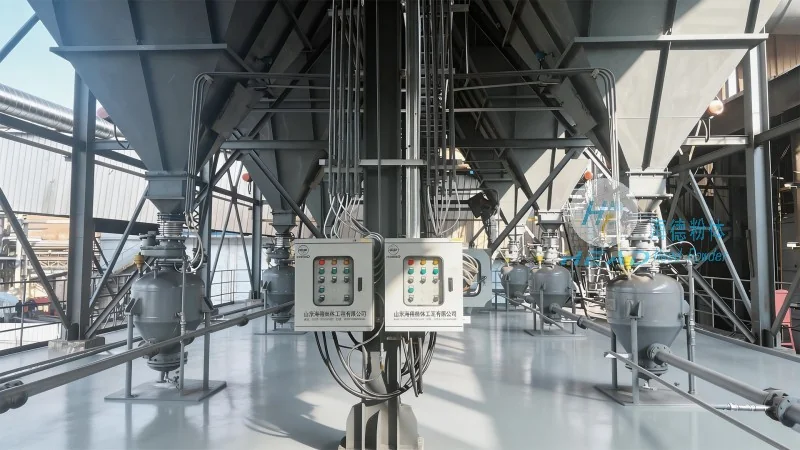
Gelatin, a versatile protein derived from collagen, is widely used in food, pharmaceutical, and cosmetic industries. Its handling requires systems that maintain product integrity, prevent degradation, and ensure compliance with stringent hygiene standards. Pneumatic conveying systems achieve these objectives by using air or gas to transport the material through a pipeline network. This method eliminates the need for mechanical components like belts or buckets, reducing the risk of product contamination and mechanical damage. For gelatin, which is sensitive to temperature and physical stress, a well-designed pneumatic system is indispensable.
Key Design Factors for a Gelatin Pneumatic Conveying System
The success of a gelatin pneumatic conveying system hinges on several critical design factors. First, the material's properties must be thoroughly analyzed. Gelatin has a relatively high moisture content and can be sticky or clumpy under certain conditions, which affects flow characteristics. Engineers must consider the material's density, particle size distribution, and cohesive behavior to select the appropriate conveying method—whether it's a dilute-phase or dense-phase system. Second, the system's pressure and air velocity are critical parameters. Dilute-phase systems use higher air velocities to keep particles suspended, while dense-phase systems employ lower velocities and higher pressure to move material in a slurry-like state. For gelatin, a dilute-phase system is often preferred to minimize shear stress and maintain product quality. Third, the system's layout and components, such as the hopper design, feeder, and pipeline configuration, must be optimized to ensure smooth material flow and prevent blockages. The hopper should be designed to minimize material bridging, and the feeder must provide consistent material feed to maintain system stability. Additionally, the choice of materials for the pipeline and components is vital. Materials like stainless steel or food-grade plastics are commonly used to prevent corrosion and ensure compliance with sanitary standards.
Components of a Typical Gelatin Pneumatic Conveying System
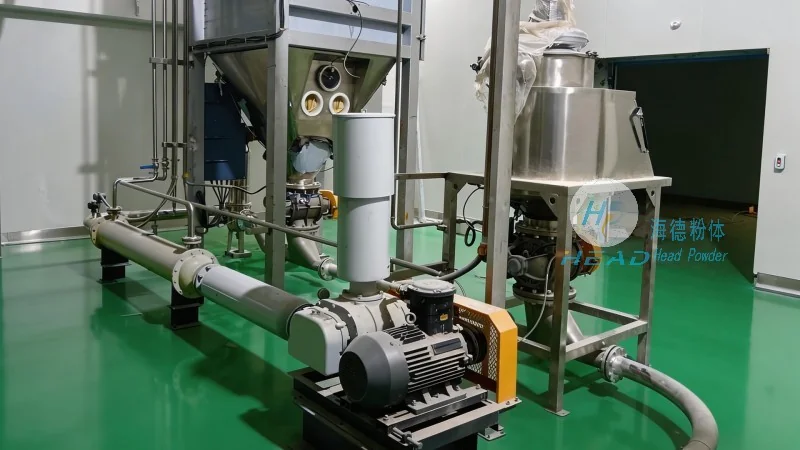
A standard gelatin pneumatic conveying system consists of several key components, each playing a vital role in the overall operation. The primary components include a hopper for material storage, a feeder to control the material flow rate, a compressor or blower to generate the air or gas flow, a pipeline network to transport the material, and a receiver or silo for the discharged material. The hopper is typically equipped with a cone or wedge to facilitate material discharge and prevent bridging. The feeder, often a rotary valve or a screw feeder, ensures a consistent and controlled feed of gelatin into the system. The compressor or blower provides the necessary pressure and air volume to move the material through the pipeline. The pipeline is usually made of stainless steel or food-grade plastic, with appropriate fittings and valves to control the flow direction and pressure. The receiver, located at the end of the pipeline, collects the conveyed gelatin and may include a filter or separator to remove any air or debris. In some systems, additional components like cyclones or filters are included to improve material separation and prevent contamination.
Customization and Integration with Existing Facilities
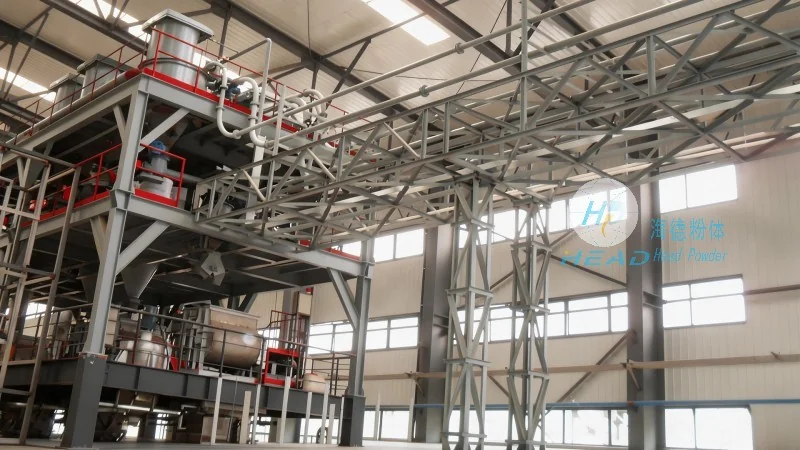
Shandong HeadPowder Engineering Co., Ltd. specializes in designing customized gelatin pneumatic conveying systems tailored to the specific needs of clients. The company's engineers work closely with clients to understand their production processes, material characteristics, and operational requirements. This collaborative approach ensures that the final system is optimized for efficiency, reliability, and cost-effectiveness. The company can integrate the gelatin pneumatic system with existing facilities, such as storage silos, processing lines, or packaging equipment, to create a seamless material flow. This integration minimizes downtime and improves overall production throughput. Additionally, the company offers solutions for different conveying distances and material volumes, from small-scale laboratory systems to large industrial installations. The ability to customize the system based on client needs is a key advantage, as it ensures that the system meets the unique challenges of each application.
Benefits of Using a Gelatin Pneumatic Conveying System
Implementing a gelatin pneumatic conveying system offers numerous benefits for manufacturers. First, it enhances product quality by minimizing physical damage and contamination. The non-contact nature of the system prevents the introduction of foreign particles or contaminants, which is critical for gelatin used in food and pharmaceutical applications. Second, it improves operational efficiency by reducing downtime and maintenance. The absence of mechanical components like belts or buckets means fewer parts to wear out and replace, leading to lower maintenance costs and increased system uptime. Third, it enhances safety by eliminating the need for manual handling of bulk materials, reducing the risk of accidents and injuries. Fourth, it provides flexibility in system layout, allowing for easy expansion or modification as production needs change. The ability to convey gelatin over long distances without the need for intermediate storage or handling points also contributes to overall operational efficiency.
Conclusion and Contact Information
Designing an effective gelatin pneumatic conveying system requires a deep understanding of material properties, system components, and operational requirements. Shandong HeadPowder Engineering Co., Ltd. brings this expertise to the table, offering customized solutions that meet the specific needs of gelatin manufacturers. By leveraging their experience and technical knowledge, the company helps clients achieve efficient, reliable, and hygienic material handling. For more information about gelatin pneumatic conveying systems or to discuss your specific requirements, please contact Shandong HeadPowder Engineering Co., Ltd., located in Shandong, China.




