Wool processing industries require efficient and reliable systems for handling and transporting wool fibers. The design of a wool pneumatic conveying system is a critical aspect that ensures optimal performance, minimal loss, and adherence to industry standards. This article explores the key considerations and components involved in designing such systems, with a focus on the expertise of Shandong HeadPowder Engineering Co., Ltd., a leading provider in the field.
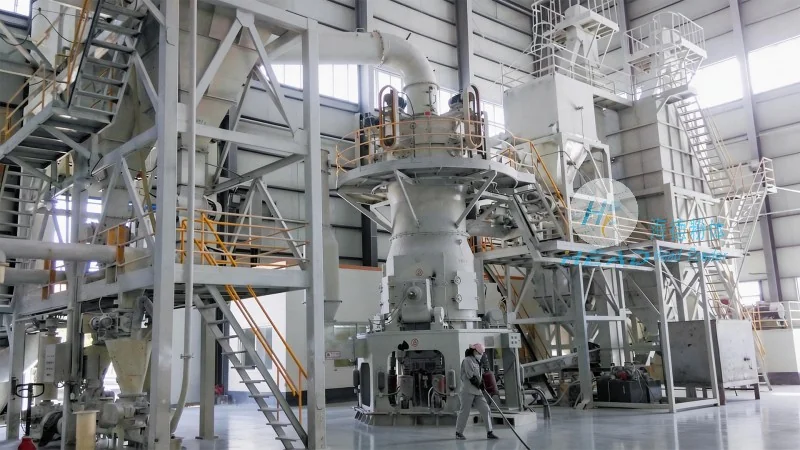
Understanding Wool Pneumatic Conveying
Wool pneumatic conveying systems utilize air pressure to transport wool fibers from one location to another. Unlike traditional mechanical systems, these systems offer advantages such as reduced wear and tear on the material, lower energy consumption, and the ability to handle fine or delicate materials without damage. The core of a successful wool pneumatic conveying system lies in its design, which must account for the unique properties of wool, including its fibrous nature, varying moisture content, and potential for static buildup.
Key Design Considerations for Wool Pneumatic Conveying
When designing a wool pneumatic conveying system, several factors must be carefully evaluated to ensure optimal operation. First, the system's capacity and flow rate need to be matched to the processing requirements of the wool mill. This involves determining the volume of wool to be conveyed per hour and selecting appropriate components like blowers, ducts, and cyclones that can handle the specified throughput. Second, the material of construction is crucial. Wool fibers can be abrasive and may contain moisture, so materials like stainless steel or corrosion-resistant alloys are often preferred to prevent degradation and maintain hygiene standards. Third, the system's layout and configuration must consider the physical constraints of the facility, including available space, existing infrastructure, and the need for easy maintenance and cleaning. Additionally, the design should incorporate features to manage static electricity, as wool is prone to generating static charges that can affect material flow and cause operational issues.
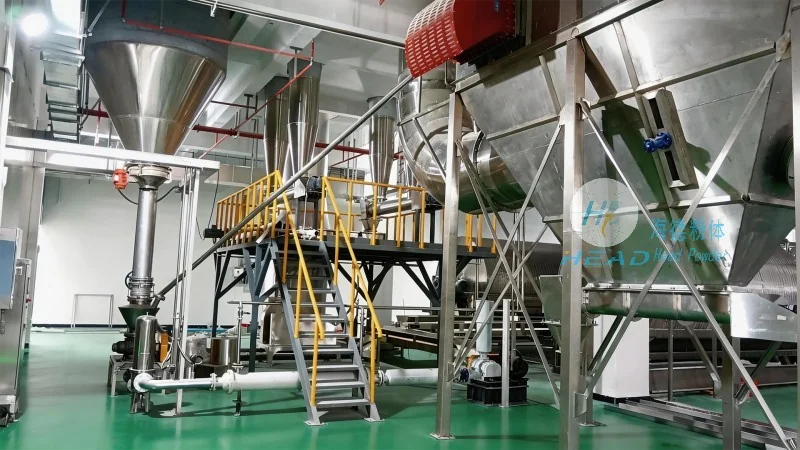
Components of a Wool Pneumatic Conveying System
A wool pneumatic conveying system typically consists of several key components, each playing a vital role in the overall operation. The primary component is the blower or air compressor, which generates the necessary air pressure to move the wool fibers. The choice of blower type, such as centrifugal or positive displacement, depends on the system's requirements, including pressure, flow rate, and energy efficiency. Next, the ductwork system is critical, as it must be designed to minimize pressure drop and ensure smooth air flow. Ducts are usually made of metal or flexible hoses, with appropriate connections and bends that allow for the efficient transport of wool. Cyclones or dust collectors are essential for separating the wool from the air stream, preventing contamination and ensuring the wool remains clean. These components are often equipped with filters to capture fine particles and maintain air quality. Finally, the system may include additional features like vacuum units for reverse flow or material recovery, and control systems to monitor and regulate the operation of the conveying process.
Customization and Integration with Existing Systems
Shandong HeadPowder Engineering Co., Ltd. specializes in designing customized wool pneumatic conveying systems tailored to the specific needs of each client. The company's engineers work closely with clients to understand their processing requirements, facility layout, and operational goals, ensuring that the final system is both efficient and cost-effective. Customization may involve adjusting the system's capacity, modifying the ductwork layout, or integrating additional components such as material feeders or storage bins. The company also considers the integration of the new system with existing infrastructure, ensuring a seamless transition and minimal disruption to ongoing operations. This approach allows clients to leverage the benefits of pneumatic conveying while maintaining their current workflow and equipment.
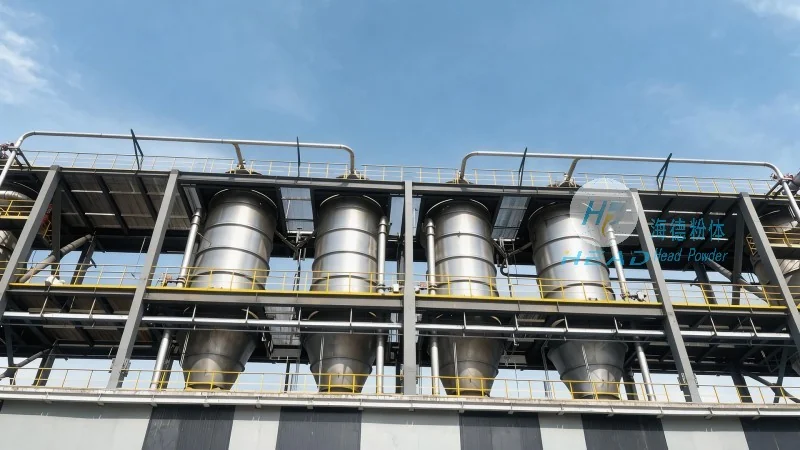
Benefits of Professional Wool Pneumatic Conveying System Design
Investing in a well-designed wool pneumatic conveying system offers numerous benefits for wool processing facilities. First, the system enhances operational efficiency by reducing labor costs and minimizing downtime due to material blockages or equipment failure. The smooth and continuous flow of wool fibers ensures consistent production rates and improves overall productivity. Second, the system improves product quality by preventing contamination and damage to the wool fibers. Unlike mechanical systems that may cause abrasion or breakage, pneumatic conveying systems gently transport the material, preserving its integrity and value. Third, the system contributes to cost savings through energy efficiency and reduced maintenance requirements. The use of appropriate materials and components minimizes wear and tear, extending the system's lifespan and lowering long-term operational costs. Additionally, the system enhances safety by reducing the need for manual handling of wool, which can be hazardous due to dust and static electricity.
Conclusion and Contact Information
Designing an effective wool pneumatic conveying system requires a combination of technical expertise, industry knowledge, and attention to detail. Shandong HeadPowder Engineering Co., Ltd. brings decades of experience to the table, providing tailored solutions that meet the unique needs of wool processing facilities. By focusing on the specific properties of wool and the operational requirements of each client, the company ensures that the final system is not only efficient but also reliable and cost-effective. For more information on wool pneumatic conveying system design and related services, please contact Shandong HeadPowder Engineering Co., Ltd., located in Shandong, China.




