For industries dealing with polyolefin materials, the selection and design of an efficient pneumatic conveying system are critical to operational success. Polyolefins, including polyethylene and polypropylene, are widely used in manufacturing due to their versatility and cost-effectiveness. However, their handling requires specialized equipment to ensure safety, efficiency, and product integrity. This article outlines key design considerations for polyolefin pneumatic conveying systems, emphasizing the expertise of Shandong HeadPowder Engineering Co., Ltd., a leading provider of engineering solutions for material handling in China.
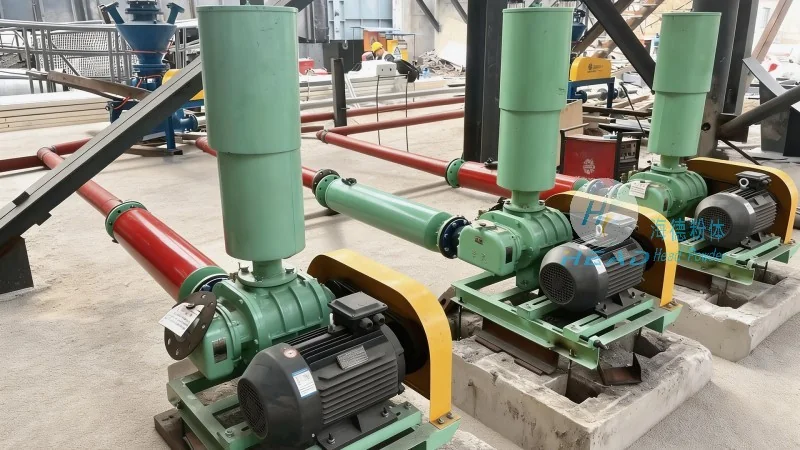
Design Principles for Efficient Polyolefin Handling
The foundation of any successful polyolefin pneumatic conveying system lies in understanding the material's properties and the specific application requirements. Polyolefins can vary significantly in particle size, density, and moisture content, all of which influence the system's performance. A well-designed system must account for these variables to prevent issues such as blockages, material degradation, or excessive energy consumption. HeadPowder Engineering Co., Ltd. leverages decades of experience in material handling to develop customized solutions that address these challenges effectively.
Key Factors in System Sizing and Material Flow Analysis
System sizing is a critical step in the design process, as it directly impacts the system's capacity and operational efficiency. Engineers at HeadPowder Engineering Co., Ltd. conduct thorough material flow analysis to determine the optimal air velocity, pressure, and pipe diameter for the intended application. This analysis considers factors like the material's bulk density, flowability, and the distance between the feed and discharge points. By accurately sizing the system, companies can minimize energy costs and maximize throughput, ensuring consistent performance over time.
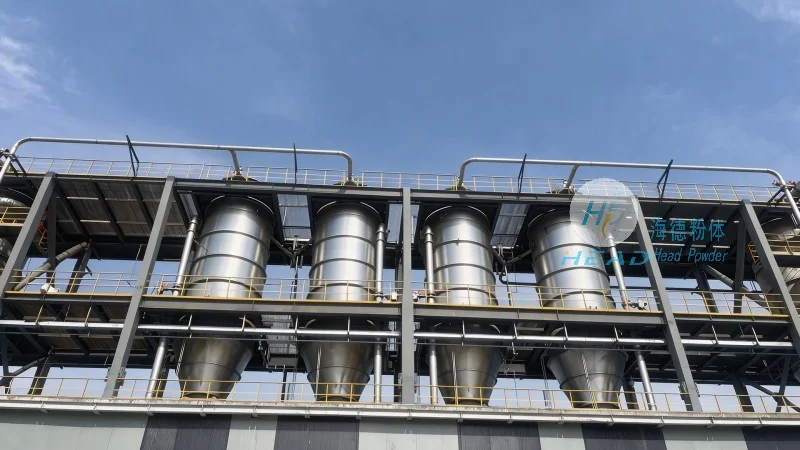
Material Properties and Their Impact on Conveying Performance
Polyolefin materials exhibit unique characteristics that affect pneumatic conveying, such as their tendency to stick to surfaces or form agglomerates. These properties require specialized equipment, such as rotary valves, airlocks, and filter systems, to maintain smooth material flow. HeadPowder Engineering Co., Ltd. incorporates advanced components in their designs to mitigate these issues, ensuring that the system operates reliably even with challenging materials. For example, the use of high-quality, anti-static filters helps prevent material buildup and maintains air quality, which is essential for maintaining product purity.
Integration of Advanced Control Systems for Optimal Operation
Modern polyolefin pneumatic conveying systems benefit from advanced control systems that enhance operational efficiency and safety. These systems typically include sensors for monitoring pressure, temperature, and flow rates, as well as automated controls that adjust system parameters in real-time. HeadPowder Engineering Co., Ltd. integrates state-of-the-art control technologies into their designs, enabling users to optimize performance while reducing the risk of equipment failure or material loss. The result is a more reliable system that adapts to changing production demands without manual intervention.
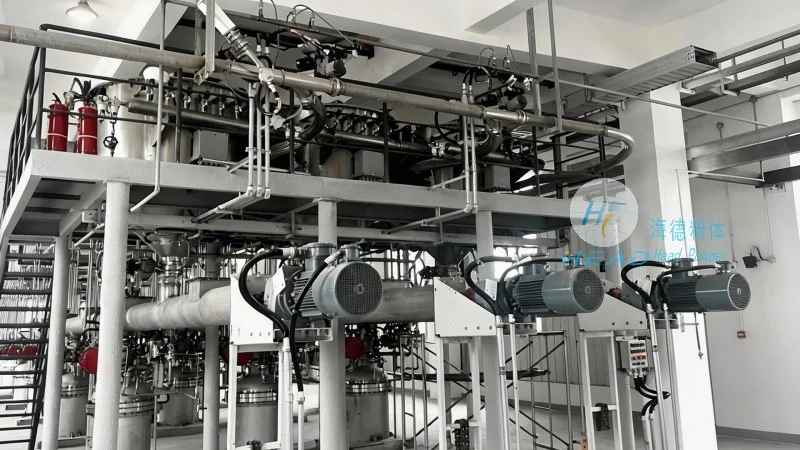
Maintenance and Longevity Considerations for Polyolefin Pneumatic Conveying Systems
Ensuring the long-term performance of a polyolefin pneumatic conveying system requires regular maintenance and proper care. HeadPowder Engineering Co., Ltd. provides comprehensive maintenance services and recommends regular inspections to identify potential issues before they escalate. This proactive approach helps extend the system's lifespan and maintain its efficiency over time. By adhering to recommended maintenance schedules, companies can avoid costly downtime and ensure consistent production output.
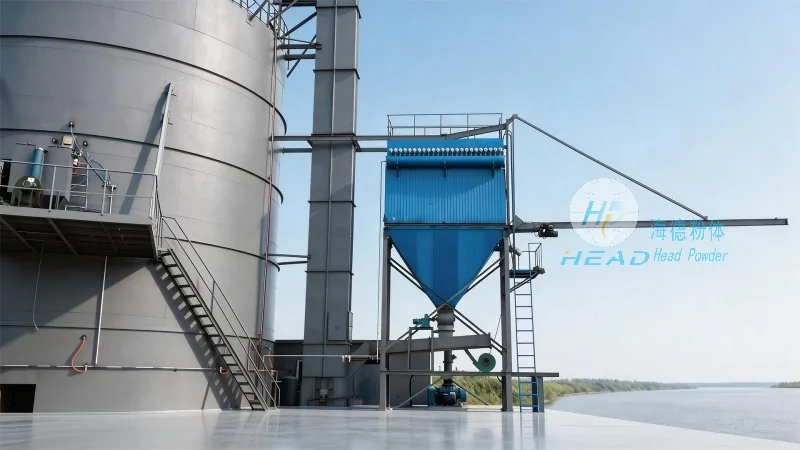
Customization and Scalability for Diverse Applications
HeadPowder Engineering Co., Ltd. understands that each industrial application has unique requirements. Therefore, they offer customized solutions that can be scaled to meet the needs of various production volumes and operational environments. Whether a system is designed for small-scale batch processing or large-scale continuous production, the engineering team at HeadPowder Engineering Co., Ltd. works closely with clients to develop a solution that aligns with their specific goals. This flexibility ensures that the system not only meets current needs but also accommodates future growth and technological advancements.
Conclusion: Partnering with HeadPowder for Polyolefin Pneumatic Conveying Solutions
In conclusion, the design of an effective polyolefin pneumatic conveying system involves careful consideration of material properties, system sizing, and operational requirements. Shandong HeadPowder Engineering Co., Ltd. stands out as a trusted partner in this process, leveraging their expertise to deliver tailored solutions that enhance efficiency, safety, and product quality. By focusing on these key design considerations, companies can achieve optimal performance and long-term success in their polyolefin handling operations.




