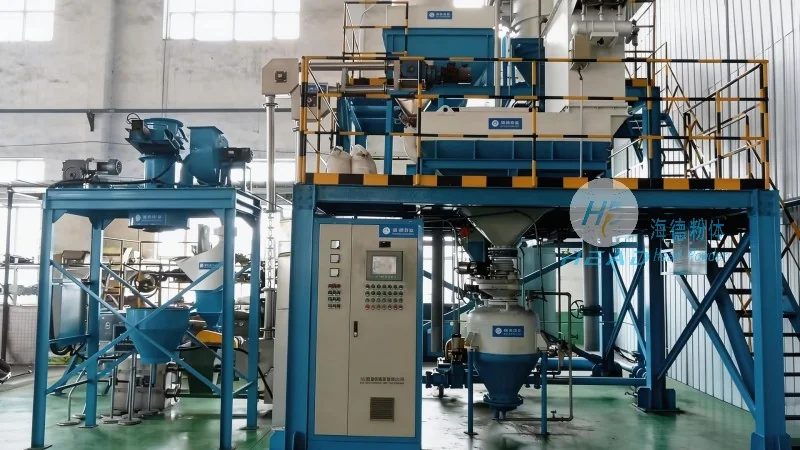
For industries dealing with rice husk ash, the efficient and reliable transport of this material is crucial. Pneumatic conveying systems offer a solution that minimizes dust, reduces labor costs, and enhances overall operational safety. This article outlines key design considerations for a rice husk ash pneumatic conveying system, focusing on the technical and practical aspects that ensure optimal performance.
Introduction to Rice Husk Ash Pneumatic Conveying
Rice husk ash, a byproduct of rice processing, is often used in construction and industrial applications. Its handling requires specialized equipment due to its fine particle size and potential for dust generation. A pneumatic conveying system uses air to transport the material from one location to another, eliminating the need for manual handling and reducing environmental impact. The design of such a system must consider several factors to ensure it meets the specific needs of the application.
Key Design Considerations for the System
When designing a rice husk ash pneumatic conveying system, several critical elements must be addressed to achieve efficient operation. These include the selection of the appropriate conveying method (e.g., pressure or vacuum), the calculation of air velocity and flow rates, and the selection of suitable components like hoppers, pipelines, and airlocks.
First, the conveying method must be chosen based on the distance and layout of the system. For short distances, pressure conveying is often preferred as it requires less energy and is more efficient. For longer distances or when moving material over obstacles, vacuum conveying may be more suitable. The choice of method directly impacts the system's performance and cost.
Second, the air velocity and flow rate calculations are fundamental to system design. The air velocity must be high enough to prevent material settling in the pipeline but low enough to avoid excessive wear and energy consumption. Proper calculation ensures that the material is transported smoothly without blockages or excessive pressure drops. Engineers typically use empirical formulas and industry standards to determine these parameters based on the specific characteristics of rice husk ash, such as particle size distribution and bulk density.
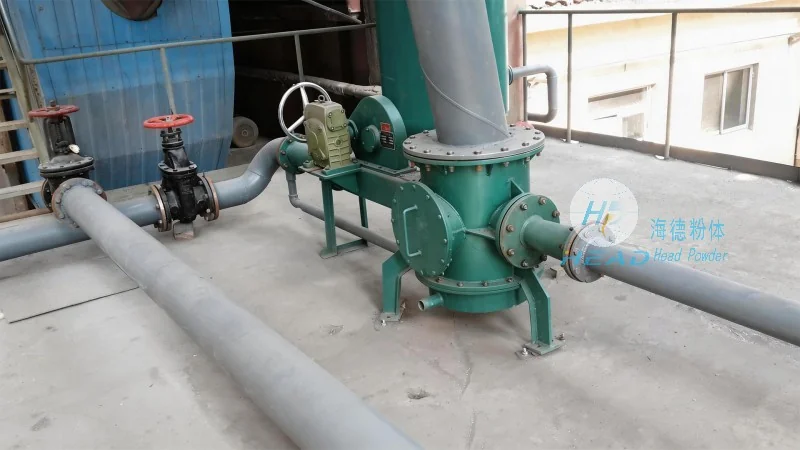
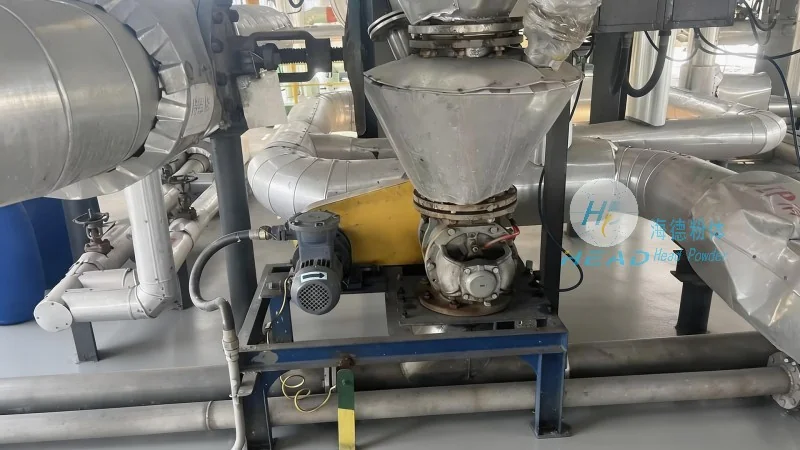
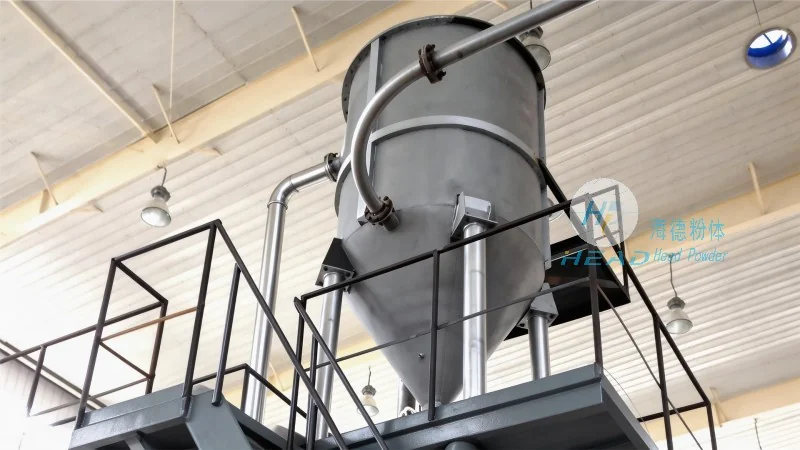
Third, the selection of components is critical. The hopper design must be able to store the material without causing bridging or segregation, which can lead to uneven flow. Airlocks are used to separate the conveying air from the material and prevent backflow, ensuring the system operates continuously. The pipeline material and diameter are also important; materials like stainless steel or PVC are commonly used to resist corrosion and abrasion from the ash particles.
System Components and Their Function
A typical rice husk ash pneumatic conveying system consists of several key components, each with a specific function. The main components include the hopper, feeder, air compressor or vacuum pump, conveying pipeline, and discharge unit.
The hopper is the storage vessel where rice husk ash is collected before being conveyed. It is designed with a sloped bottom to facilitate material flow into the feeder. The feeder, often a rotary valve or a star valve, controls the flow rate of the material into the system, ensuring a consistent feed rate that matches the conveying capacity.
The air compressor or vacuum pump provides the necessary pressure or vacuum to move the material through the pipeline. The choice of equipment depends on the conveying method and the system's capacity. High-pressure compressors are used for pressure conveying, while vacuum pumps are used for vacuum conveying. Proper sizing of the compressor is essential to maintain the required air pressure and flow rate.
The conveying pipeline is the main channel through which the material and air travel. It must be sized to handle the material's flow rate and air velocity without causing excessive pressure drops. The pipeline is typically made of durable materials to withstand the abrasive nature of rice husk ash. elbows and bends are used to change the direction of the flow, and they are designed to minimize pressure loss and prevent material buildup.
The discharge unit is where the material is released from the system. It can be a simple outlet or a more complex unit that separates the material from the air, such as a cyclone separator or a bag filter. The discharge unit must be designed to prevent dust emission and ensure the material is collected efficiently.
Material Handling and Environmental Considerations
Handling rice husk ash requires attention to both material properties and environmental regulations. The fine particle size of the ash means that dust control is a primary concern. The system must be designed to minimize dust generation and ensure compliance with local air quality standards. This may involve using dust collection systems, such as cyclones or bag filters, to capture any airborne particles.
Additionally, the system must be designed to handle the abrasive nature of the ash. The ash particles can cause wear on components like pipelines and airlocks, reducing the system's lifespan. Using wear-resistant materials, such as stainless steel or special coatings, can extend the life of the components and reduce maintenance costs.
Installation and Maintenance Requirements
The successful operation of a rice husk ash pneumatic conveying system depends on proper installation and regular maintenance. Installation must follow the manufacturer's guidelines to ensure all components are correctly assembled and aligned. This includes checking for proper sealing of joints and ensuring the pipeline is properly supported to prevent sagging or damage.
Maintenance is also critical to the system's performance. Regular inspection of components, such as the hopper, feeder, and pipeline, is necessary to detect any signs of wear or damage. The air compressor or vacuum pump should be checked for proper operation and lubrication. Dust collection systems should be cleaned regularly to maintain their efficiency. Proper maintenance can extend the system's lifespan and reduce downtime.
Conclusion
Designing a rice husk ash pneumatic conveying system requires careful consideration of several factors, including the conveying method, air velocity, component selection, and environmental regulations. By addressing these considerations, engineers can develop a system that efficiently and reliably transports rice husk ash while minimizing costs and environmental impact. The system's performance and longevity depend on proper design, installation, and maintenance, making it a critical investment for industries dealing with this material.




