The aerodynamic transport system of glass-blasted beads is a specialized equipment designed for the efficient and reliable transportation of glass-blasted beads, a lightweight, inorganic insulating material. This system is crucial in various industrial applications, particularly in the construction and insulation sectors, where the consistent and safe movement of these beads is essential for maintaining product quality and operational efficiency. Developed by Shandong HeadPowder Engineering Co., Ltd., a leading manufacturer based in Shandong, China, this system integrates advanced engineering principles to ensure optimal performance under diverse operational conditions.
Core Components and Structural Design
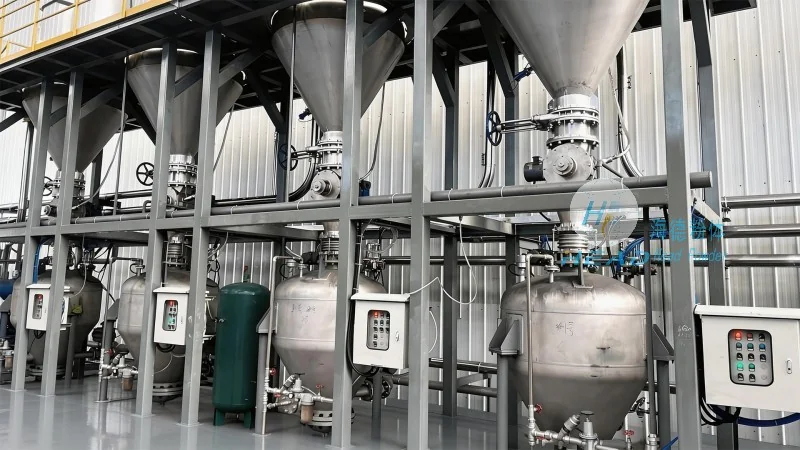
The aerodynamic transport system comprises several key components that work in synergy to facilitate the movement of glass-blasted beads. The primary components include a feeding unit, a conveying pipeline system, a control system, and a discharge mechanism. The feeding unit is responsible for uniformly feeding the glass-blasted beads into the system, ensuring a steady flow rate that matches the system's capacity. The conveying pipeline, typically made of high-quality, corrosion-resistant materials such as stainless steel or specialized plastic composites, is designed to withstand the abrasive nature of the beads while minimizing friction and pressure losses. The control system, equipped with sensors and automation technology, monitors and regulates the flow rate, pressure, and temperature within the system, ensuring stable operation. The discharge mechanism, often a rotary valve or a controlled outlet, safely releases the beads into the target container or processing unit, preventing material loss and contamination.
Working Principle of the System
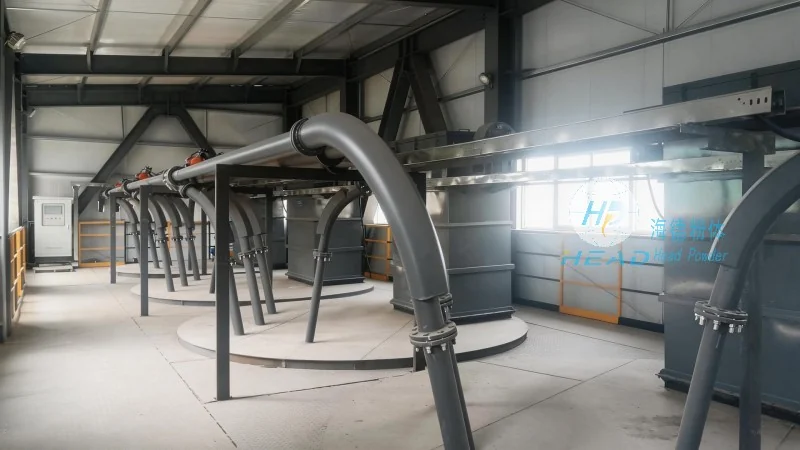
The operation of the aerodynamic transport system is based on the principle of pneumatic conveying, where compressed air is used to move the glass-blasted beads through the pipeline. The process begins with the beads being fed into the system by the feeding unit. As the compressed air is introduced into the pipeline, it creates a low-pressure zone that draws the beads into the flow. The air and beads form a slurry-like mixture, which is then transported through the pipeline to the discharge point. The system's design ensures that the air-to-material ratio is optimized to maintain a consistent flow, preventing blockages or excessive pressure buildup. The control system continuously adjusts the air pressure and flow rate to maintain the desired conveying efficiency, adapting to variations in material feed rate or pipeline conditions. This principle allows for a smooth, continuous transport of glass-blasted beads without the need for mechanical components that could cause wear or damage to the material.
Advantages and Applications
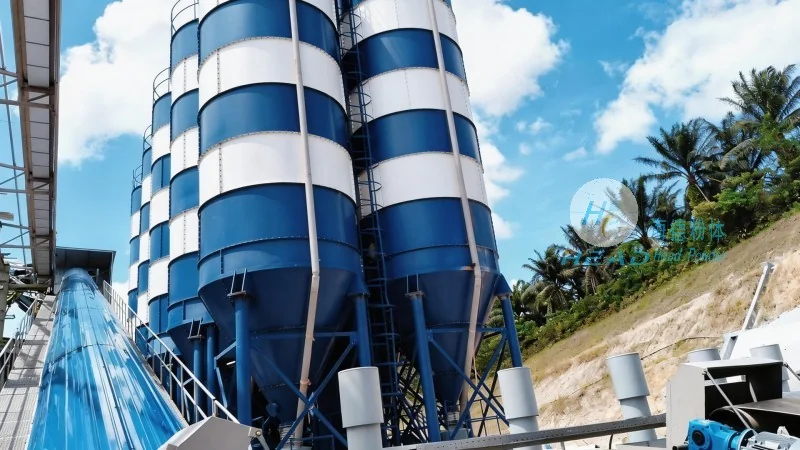
The aerodynamic transport system of glass-blasted beads offers several advantages that make it a preferred choice in industrial applications. One of the key benefits is its ability to handle lightweight, abrasive materials without causing excessive wear to the equipment. The system's design minimizes material degradation, ensuring that the glass-blasted beads retain their insulating properties and quality. Additionally, the pneumatic conveying method allows for a dust-free and clean operation, which is particularly important in environments where air quality and product purity are critical. The system's flexibility in terms of pipeline layout and integration with other processing equipment makes it suitable for various production lines. In the construction industry, this system is widely used for transporting glass-blasted beads to insulation manufacturing facilities, where they are used in the production of lightweight concrete, thermal insulation boards, and other building materials. The consistent and reliable transport of the beads ensures uniform product quality and reduces downtime due to material handling issues.
Operational Considerations and Maintenance
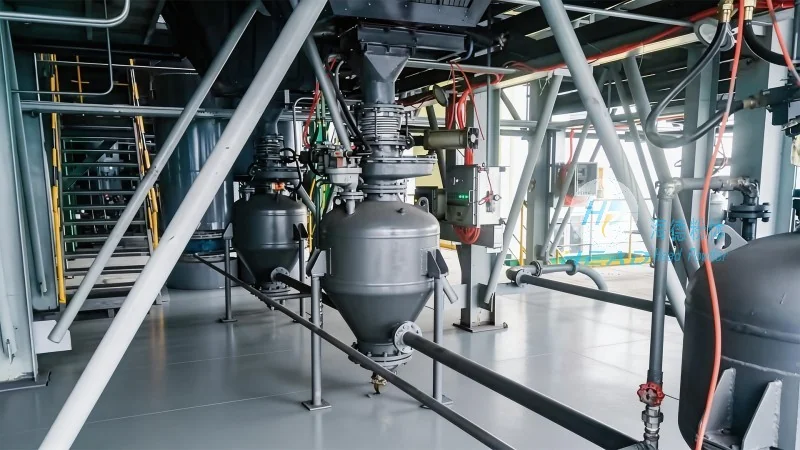
Proper operation and maintenance of the aerodynamic transport system are essential to ensure its longevity and optimal performance. Regular maintenance includes inspecting and cleaning the feeding unit and pipeline to prevent clogging, checking the air compressor and control system for proper functioning, and replacing worn components such as seals and valves. The system's design incorporates features that facilitate maintenance, such as easy access to components and removable sections of the pipeline. Operational considerations include monitoring the air pressure and flow rate to prevent excessive energy consumption or material damage. The system's control system provides real-time data on operational parameters, allowing operators to make adjustments promptly. By adhering to proper maintenance schedules and operational guidelines, the system can achieve high reliability and low downtime, contributing to overall operational efficiency.




