HeadPowder, a leading engineering firm based in Shandong, China, specializes in the design and implementation of advanced pneumatic conveying systems tailored for the cereal industry. This article provides a comprehensive overview of the structure and operational principles of cereal pneumatic conveying systems, highlighting the technical aspects and functional components that ensure efficient material handling.
Understanding Pneumatic Conveying Systems for Cereals
Pneumatic conveying is a method of transporting bulk materials, such as cereals, through a pipeline using air or gas as the conveying medium. Unlike traditional mechanical systems that rely on belts, screws, or buckets, pneumatic systems offer several advantages, including reduced contamination risk, lower maintenance requirements, and the ability to handle delicate or hygienic products like cereals. The core of a pneumatic conveying system is its ability to create a flow of material by generating a pressure differential within the pipeline.
Key Structural Components of Cereal Pneumatic Conveying
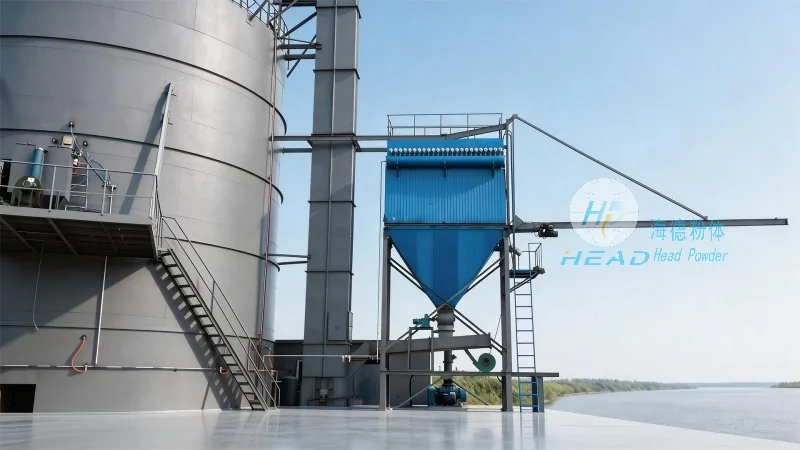
The structure of a typical cereal pneumatic conveying system consists of several critical components that work in tandem to ensure smooth operation. These components include the hopper, which serves as the storage and feeding unit for the cereal; the air compressor or blower, which generates the necessary air pressure to move the material; the pipeline network, which transports the cereal from the hopper to the discharge point; and the control system, which regulates the flow of air and material to maintain optimal performance.
The Working Principle: How Cereal Pneumatic Conveying Operates
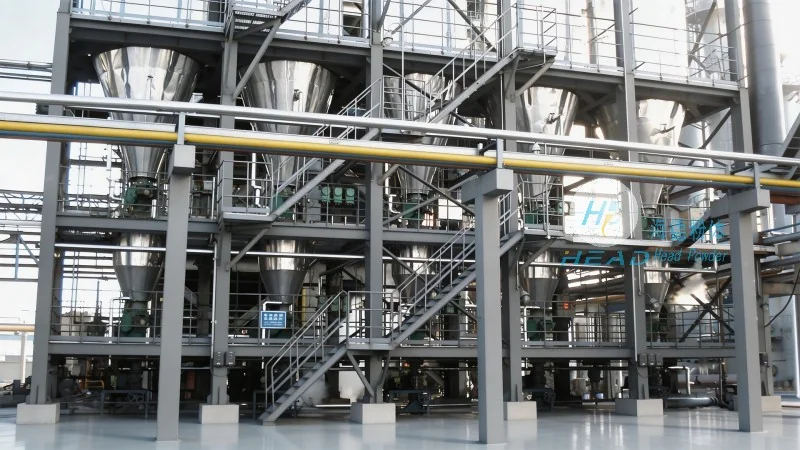
The operation of a cereal pneumatic conveying system follows a systematic process. Initially, the cereal is fed into the hopper from a storage silo or bulk container. The air compressor then starts, creating a high-pressure air stream within the pipeline. As the air flows through the hopper, it lifts the cereal particles and carries them along the pipeline. The velocity of the air is carefully controlled to ensure that the cereal moves without excessive abrasion or breakage, preserving the quality of the product. At the discharge point, the air and cereal are separated, typically using a cyclone separator or a filter, and the cereal is collected in the receiving container. The air is then filtered and returned to the system or vented to the atmosphere, completing the cycle.
Advantages of Using Pneumatic Conveying for Cereals
Implementing pneumatic conveying systems for cereal handling offers numerous benefits that enhance operational efficiency and product quality. One of the primary advantages is the hygienic nature of the system, which minimizes the risk of contamination from external sources. The enclosed pipeline design prevents dust and moisture from entering the system, maintaining the purity of the cereal. Additionally, pneumatic systems are highly flexible, allowing for easy integration with existing production lines and the ability to transport materials over long distances without the need for multiple transfer points. The reduced maintenance requirements compared to mechanical systems also contribute to lower operational costs and increased uptime.
Applications in the Cereal Industry
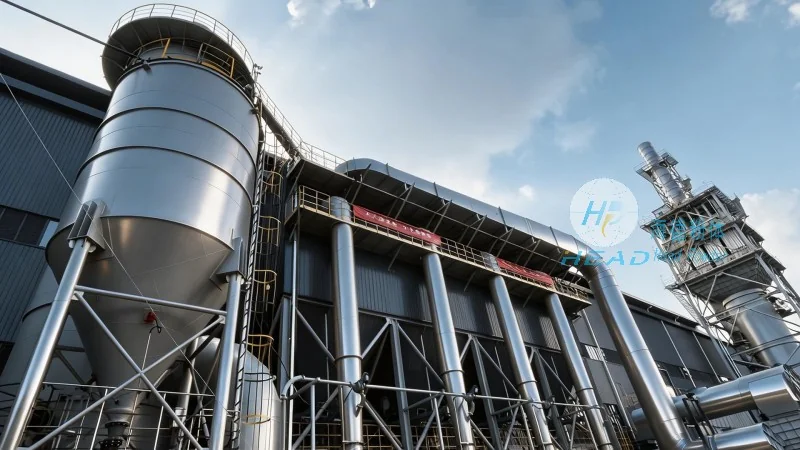
Pneumatic conveying systems are widely used in various stages of the cereal production and processing chain. In the initial stages, they are employed for raw material handling, transporting cereals from storage facilities to processing plants. During the processing phase, pneumatic systems efficiently move ingredients such as flour, bran, and other additives between different processing units, ensuring consistent quality and uniform mixing. In the final packaging stage, the systems are used to transport finished cereal products from the production line to the packaging area, where they are sealed and prepared for distribution. The versatility of pneumatic conveying makes it an essential component in modern cereal manufacturing, supporting the entire supply chain from raw material intake to final product delivery.
Conclusion: The Role of Pneumatic Conveying in Modern Cereal Handling
For companies in the cereal industry, investing in advanced pneumatic conveying systems is a strategic decision that enhances operational efficiency, product quality, and overall profitability. The structured design and reliable operation of these systems ensure that cereal handling is performed with precision and care, meeting the stringent standards required in the food industry. As a leading provider of engineering solutions, Shandong HeadPowder Engineering Co., Ltd. specializes in customizing pneumatic conveying systems to meet the specific needs of cereal manufacturers, offering tailored solutions that optimize material flow and reduce operational costs. By leveraging the expertise of HeadPowder, cereal producers can achieve efficient, hygienic, and reliable material handling, supporting their growth and success in the competitive food market.




