Pneumatic conveying systems have become increasingly vital in modern waste management and material handling operations. These systems offer an efficient and reliable method for transporting bulk materials, including waste, through a pipeline using air pressure. Understanding the structure and working principles of such systems is crucial for optimizing performance and ensuring effective waste processing. This article provides an overview of the key components, operational mechanisms, and practical applications of pneumatic conveying in waste management, with a focus on the engineering solutions offered by Shandong HeadPowder Engineering Co., Ltd.
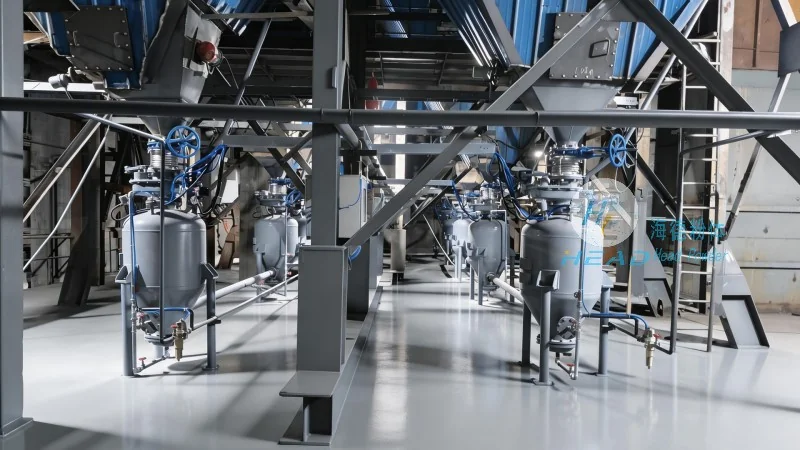
Key Components of Pneumatic Conveying Systems
A typical pneumatic conveying system for waste management consists of several essential components that work in concert to facilitate material transport. The primary components include the material feed hopper, the conveying pipeline, the air source (usually a blower or fan), and the discharge unit. The feed hopper is responsible for storing and metering the waste material, ensuring a consistent flow into the system. It often features a hopper design that minimizes material bridging and allows for easy access for maintenance. The conveying pipeline is a sealed system, typically made of durable materials like stainless steel or plastic, to prevent dust leakage and maintain air pressure. The air source provides the necessary pressure or vacuum to move the material through the pipeline. This component can be a positive displacement blower or a centrifugal fan, depending on the system's requirements. The discharge unit, at the receiving end, collects the conveyed waste and may include a separator or filter to remove any residual air or fine particles. Each component plays a critical role in the overall efficiency and reliability of the pneumatic conveying process.
Working Principles of Pneumatic Conveying
The operation of a pneumatic conveying system relies on the principles of fluid dynamics and air pressure. There are two main types of pneumatic conveying: pressure and vacuum systems. In a pressure system, the air source creates positive pressure within the pipeline, pushing the material forward. The material is suspended in the air stream, forming a dense phase or dilute phase flow, depending on the system design and material characteristics. The velocity of the air and the size of the particles determine the flow regime. For waste materials, which often have varying particle sizes and moisture content, the system must be designed to handle these variations effectively. In a vacuum system, the air source creates a negative pressure, drawing the material into the pipeline. This method is particularly useful for long-distance or vertical transport, as it can handle larger particles and more abrasive materials. The working principle involves the air flow creating a low-pressure zone that pulls the material along with it. The system's efficiency depends on maintaining a consistent air flow rate and pressure, which can be achieved through proper sizing of the blower and pipeline diameter.
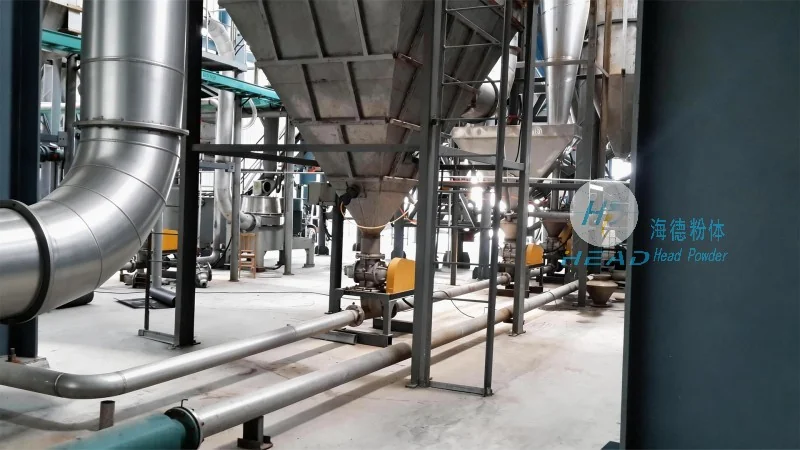
Structural Design and Engineering Considerations
The structural design of a pneumatic conveying system for waste management must address several engineering challenges, including material compatibility, durability, and safety. Waste materials can be corrosive or abrasive, requiring the use of high-quality materials for the pipeline and components. Stainless steel is commonly used for its resistance to corrosion and wear, while specialized coatings may be applied to further enhance durability. The system's design also considers the need for easy maintenance and cleaning, as waste handling equipment often requires regular upkeep to prevent blockages and ensure optimal performance. HeadPowder Engineering specializes in designing custom pneumatic conveying solutions tailored to specific waste processing needs. Their expertise includes selecting the appropriate air source, determining the optimal pipeline diameter and length, and integrating necessary components like filters and separators. The company's engineers work closely with clients to assess operational requirements, material characteristics, and site constraints to develop a system that meets both functional and safety standards.
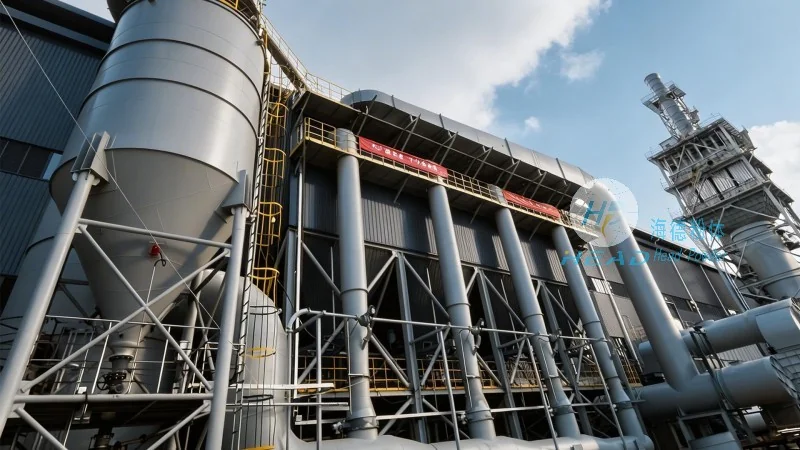
Applications in Waste Management
Pneumatic conveying systems are widely used in various stages of waste management, from collection and transport to processing and disposal. In municipal solid waste (MSW) management, these systems can be employed to transport waste from collection trucks to transfer stations or processing facilities. The ability to handle large volumes of waste efficiently makes pneumatic conveying an attractive option for urban areas with high waste generation rates. In industrial waste management, such as from manufacturing or construction sites, pneumatic conveying can transport materials like concrete waste, metal scraps, or organic waste to recycling or disposal sites. The system's flexibility allows it to handle different types of waste, including wet or dry materials, and can be integrated with other processing equipment like shredders or compactors. HeadPowder Engineering's solutions have been implemented in waste management facilities across China, demonstrating their effectiveness in improving operational efficiency and reducing handling costs.
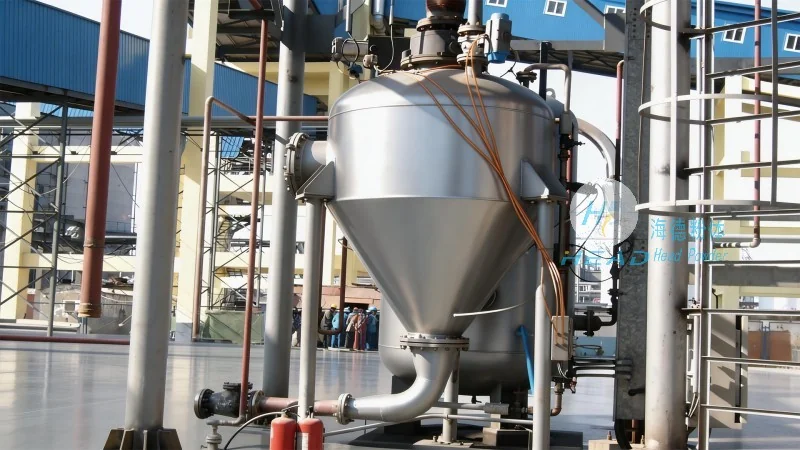
Advantages of Pneumatic Conveying for Waste Handling
Compared to traditional waste handling methods like trucks or conveyor belts, pneumatic conveying offers several advantages that make it a preferred choice for many applications. One of the key benefits is the ability to transport waste in a sealed system, which minimizes dust and odor emissions, improving environmental and health conditions at waste processing sites. The system also reduces the need for manual labor, as material transport is automated, enhancing safety and operational efficiency. Additionally, pneumatic conveying can handle high volumes of waste at a lower cost per ton compared to other methods, making it economically viable for large-scale operations. The flexibility of the system allows for easy integration with existing infrastructure, and the ability to transport materials over long distances or vertical elevations without the need for complex machinery makes it a versatile solution. HeadPowder Engineering's pneumatic conveying systems are designed to maximize these advantages, providing reliable and efficient waste handling solutions that meet the evolving needs of the waste management industry.
Conclusion
Pneumatic conveying systems represent a sophisticated and efficient approach to waste management, combining advanced engineering with practical application. The structure and working principles of these systems are critical to their performance, and proper design and maintenance are essential for optimal operation. Shandong HeadPowder Engineering Co., Ltd. has established itself as a leader in providing customized pneumatic conveying solutions for waste handling, with a focus on durability, efficiency, and environmental responsibility. By understanding the key components and operational mechanisms of pneumatic conveying, waste management facilities can make informed decisions about implementing these systems to improve their operational capabilities and contribute to sustainable waste processing.




