HeadPowder, a leading engineering company based in Shandong, China, specializes in the design, manufacturing, and installation of advanced pneumatic conveying systems tailored for the handling of alumina particle materials. This article provides a detailed overview of the operational process and working principles of such systems, highlighting their efficiency, reliability, and the technical aspects that make them ideal for industrial applications.
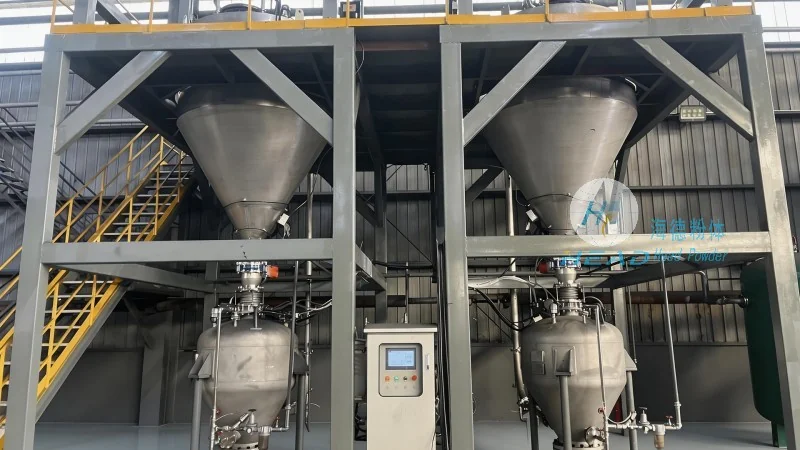
System Overview and Core Components
The pneumatic conveying system for alumina particles typically consists of several key components that work in tandem to transport the material from the source to the destination. These components include a hopper or feeder for material storage and feeding, a conveying line (often equipped with bends and straight sections), a blower or air compressor to generate the necessary air flow, and a receiver or discharge unit for material collection. The system is designed to handle alumina particles efficiently, ensuring minimal loss and maximum throughput while maintaining product integrity.
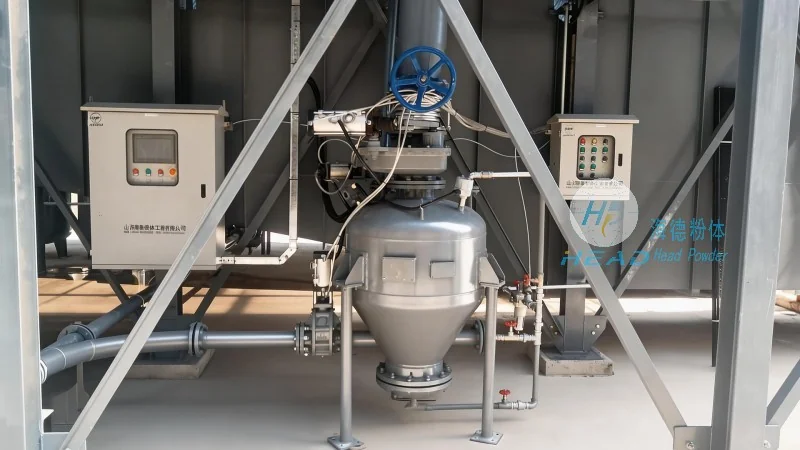
Operation Process: Step-by-Step Execution
The operation of the pneumatic conveying system for alumina particles follows a systematic sequence of steps. Initially, the alumina material is loaded into the hopper or feeder, where it is stored under controlled conditions to prevent moisture absorption or agglomeration. The feeder then regulates the flow of material into the conveying line, ensuring a consistent feed rate. Simultaneously, the blower or air compressor generates a high-pressure air stream that is introduced into the conveying line. As the air flows through the line, it picks up the alumina particles and transports them to the receiver. The receiver is equipped with a filter or separator to remove any entrained air and collect the alumina particles in a clean, dry state. The entire process is automated, with sensors and control systems monitoring the flow rate, pressure, and material level to maintain optimal performance.
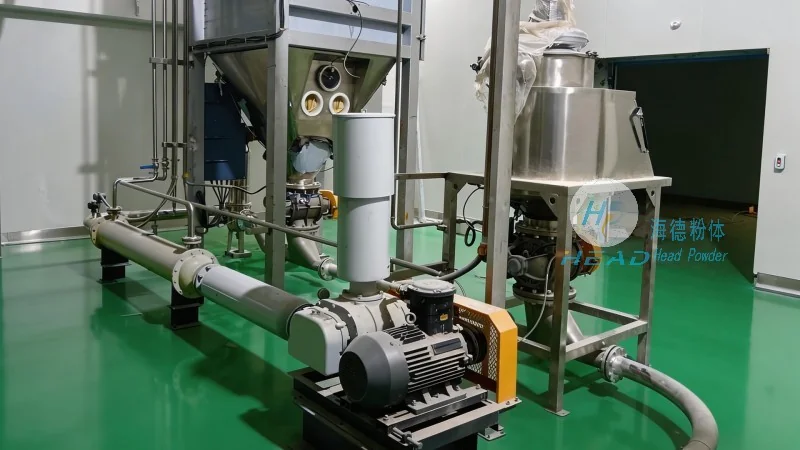
Working Principle: Airflow Dynamics and Material Transport
The working principle of the pneumatic conveying system relies on the principles of fluid dynamics and particle suspension. The system operates under either positive pressure (where air is forced through the line) or negative pressure (where air is drawn through the line). For alumina particles, positive pressure systems are commonly used due to their ability to handle a wide range of particle sizes and densities. The blower generates a high-velocity air stream that creates a pressure differential between the hopper and the receiver. This differential causes the alumina particles to be lifted and carried along the conveying line. The air velocity is carefully controlled to ensure that the particles remain suspended in the air stream without settling or causing blockages. The system's design, including the diameter of the conveying line and the angle of bends, is optimized to minimize friction losses and maintain the required air velocity for efficient transport.
Advantages and Applications in Industrial Settings
Pneumatic conveying systems for alumina particles offer several advantages over traditional mechanical conveying methods. These include reduced material handling costs, improved safety by eliminating the need for manual handling, and enhanced product quality by minimizing exposure to contaminants. The systems are particularly suitable for applications in the aluminum industry, where alumina is used as a raw material in the production of aluminum metal. They are also used in other industries such as ceramics, refractories, and chemical processing, where the efficient transport of fine powders is critical. The systems can handle alumina particles with varying particle sizes, from fine powders to coarse granules, making them versatile for different industrial needs.
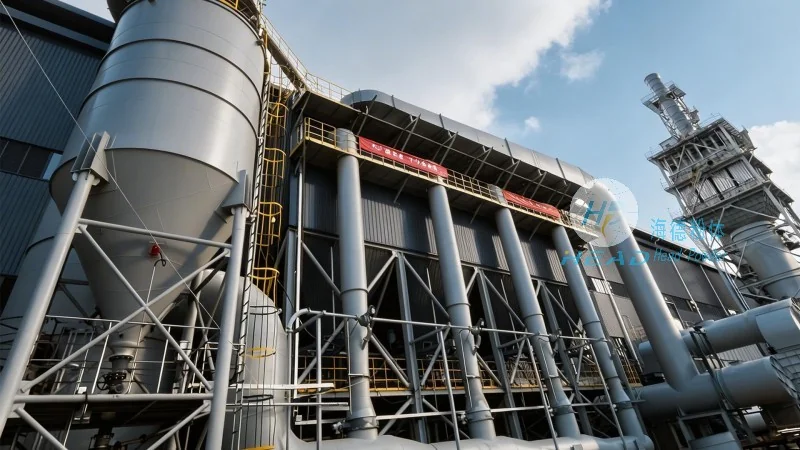
Maintenance and Operational Considerations
To ensure the long-term reliability and efficiency of the pneumatic conveying system, regular maintenance is essential. This includes cleaning the conveying line and filter to prevent clogging, checking the blower or compressor for proper operation, and inspecting the feeder and hopper for material buildup or wear. The control systems should be calibrated regularly to maintain the correct flow rates and pressure levels. Proper maintenance not only extends the lifespan of the equipment but also ensures consistent performance and minimal downtime. HeadPowder provides comprehensive maintenance services and technical support to its clients, ensuring that the systems operate at peak efficiency throughout their service life.




