Centralized material feeding pneumatic conveying equipment is a critical component in modern industrial material handling systems, engineered to efficiently transport bulk materials from multiple sources to processing or storage locations. This equipment plays a pivotal role in optimizing production workflows by ensuring a continuous and controlled supply of raw materials. Understanding the operation and working principles of such systems is essential for maintaining efficiency, reducing downtime, and ensuring compliance with industry standards.
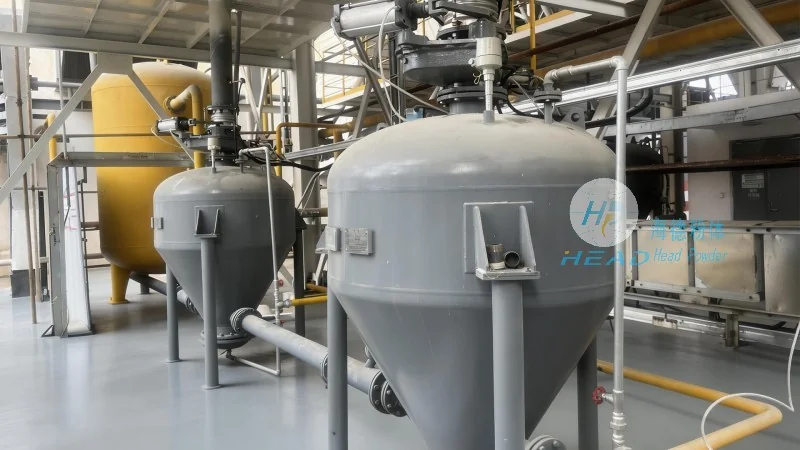
Overview of Centralized Material Feeding Pneumatic Conveying Systems
Centralized material feeding systems leverage pneumatic conveying technology to move bulk materials through a network of pipes, often under pressure or vacuum conditions. These systems are widely used in industries including pharmaceuticals, food processing, chemicals, and mining, where the need for hygienic, dust-free, and efficient material transfer is paramount. The design of these systems typically features a central feeding station that consolidates materials from various sources and distributes them to different processing units or storage areas, streamlining material handling processes.
Key Components and Their Functions
The core components of a centralized material feeding pneumatic conveying system include the material feeder, air compressor or vacuum pump, conveying lines, and control valves. The material feeder, commonly a rotary valve or screw feeder, ensures a consistent flow of material into the system. The air compressor generates the necessary pressure to propel the material through the pipes, while the vacuum pump is used for suction-based conveying. Conveying lines are constructed from materials like stainless steel or plastic, selected based on the material being transported and required hygiene standards. Control valves regulate the flow of air and material, allowing for precise control over the conveying process and enabling adjustments to accommodate varying material loads.
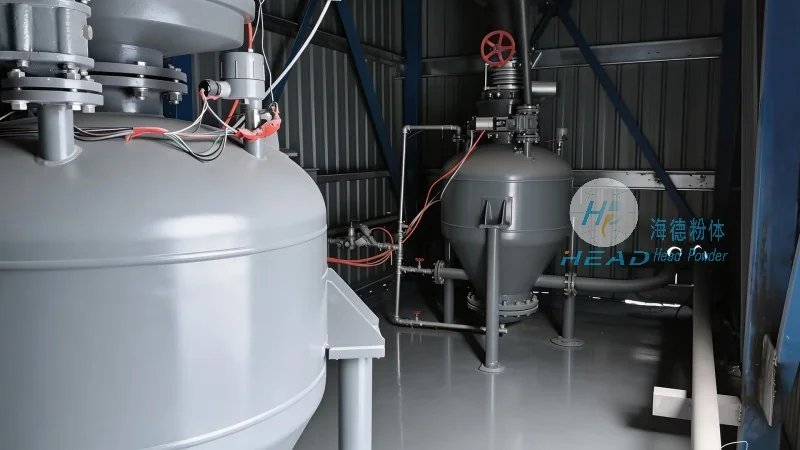
Operation Process: Step-by-Step Workflow
The operation of a centralized material feeding pneumatic conveying system follows a systematic workflow to ensure efficient material transfer. The process initiates with the material being fed into the system from a hopper or storage bin. The feeder then delivers the material to the conveying line, where it is mixed with air under pressure. The air and material mixture travels through the pipes to the destination point, such as a mixer, dryer, or storage silo. At the receiving end, the material is separated from the air, typically through a cyclone separator or filter, and collected in the target container. The system is controlled by a central control panel that monitors pressure, flow rates, and material levels, ensuring optimal performance and preventing system failures. This automated control allows for seamless integration into production lines and reduces the need for manual intervention.
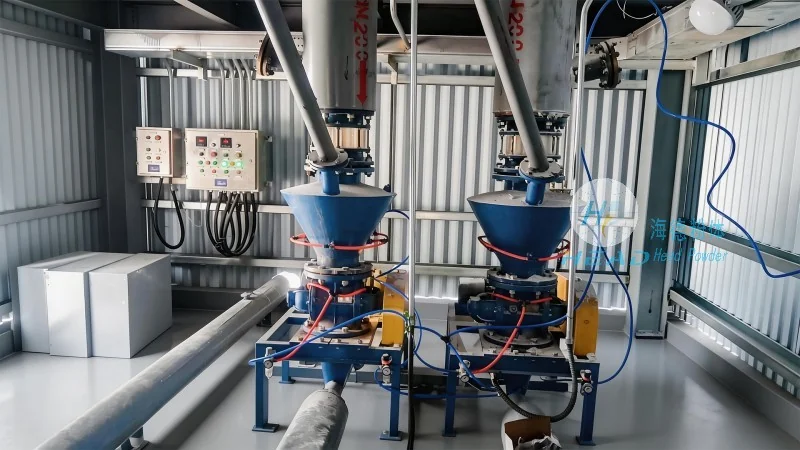
Working Principle: How Pneumatic Conveying Works
The working principle of pneumatic conveying relies on the interaction between air and bulk materials. In pressure conveying systems, air is forced through the pipes at a high velocity, creating a flow that carries the material particles along. The air velocity must be sufficient to overcome the gravitational force and frictional resistance of the material. In vacuum conveying systems, a vacuum is created at the receiving end, drawing the material and air mixture through the pipes. The choice between pressure and vacuum depends on factors such as the distance to be covered, the material's characteristics (e.g., particle size, density), and the system's layout. The efficiency of the conveying process is influenced by factors like air flow rate, material size, and pipe diameter, all of which are carefully designed to maximize material transport efficiency while minimizing energy consumption.
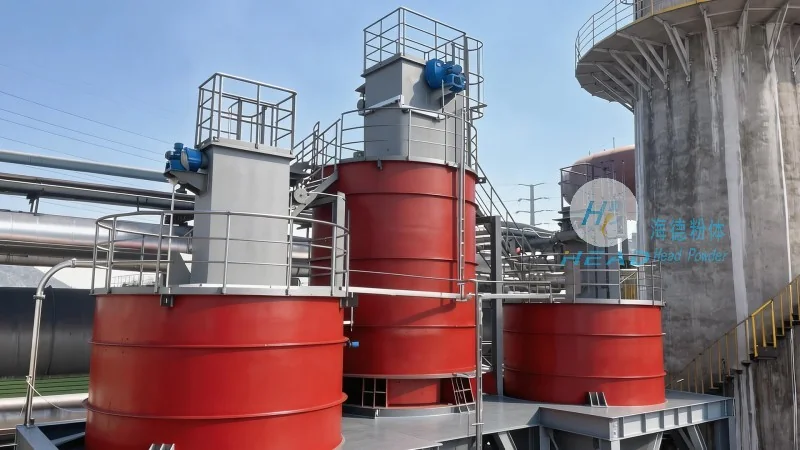
Maintenance and Operational Considerations
Proper maintenance is essential to ensure the reliable operation of centralized material feeding pneumatic conveying equipment. Regular checks of the air compressor or vacuum pump, including oil levels and filter conditions, are necessary to prevent performance degradation and extend equipment lifespan. The conveying lines should be inspected for blockages or wear, and the material feeder should be cleaned to avoid material buildup that could lead to system inefficiencies. Control valves and sensors must be calibrated regularly to maintain accurate flow control and prevent malfunctions. Additionally, the system should be equipped with safety features, such as pressure relief valves and emergency shut-off switches, to prevent accidents and equipment damage. Implementing a preventive maintenance schedule helps identify potential issues early, reducing the risk of unexpected downtime and costly repairs.
About Shandong HeadPowder Engineering Co., Ltd.
Shandong HeadPowder Engineering Co., Ltd., operating under the brand name headpowder, is a leading manufacturer of industrial material handling equipment. With a focus on innovation and quality, the company specializes in designing and manufacturing centralized material feeding pneumatic conveying systems tailored to the needs of various industries. HeadPowder's products are known for their durability, efficiency, and compliance with international standards, ensuring reliable performance in demanding industrial environments. The company's headquarters is located in Shandong, China, where it leverages advanced technology and experienced engineering teams to deliver high-quality solutions to its global clients. HeadPowder's commitment to customer satisfaction and product excellence has established it as a trusted partner in the material handling industry.




