HeadPowder, a leading engineering company based in Shandong, China, specializes in the design, manufacturing, and installation of advanced pneumatic conveying systems for biomass powder materials. This article provides a detailed overview of the operation process and working principle of such systems, highlighting the key components, operational procedures, and technical aspects that ensure efficient and reliable material transport.
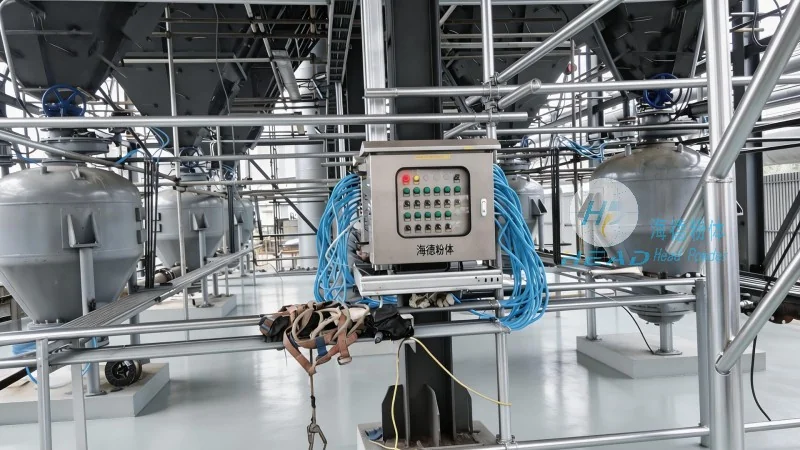
HeadPowder, or Shandong HeadPowder Engineering Co., Ltd., is a professional enterprise dedicated to providing high-quality pneumatic conveying solutions. With its headquarters in Shandong, China, the company has established itself as a trusted provider in the field, focusing on the development and application of efficient systems for transporting biomass powders. The company's expertise lies in understanding the unique characteristics of biomass materials and designing systems that optimize performance, minimize downtime, and ensure environmental compliance.
Overview of Biomass Powder Pneumatic Conveying Systems
Biomass powder material pneumatic conveying systems are engineered to transport fine or granular biomass materials, such as wood chips, sawdust, or agricultural residues, from one location to another using air as the conveying medium. These systems are widely used in industries like biomass energy, biofuels, and agricultural processing due to their ability to handle materials with varying moisture content and particle sizes. The core components of a typical system include a material feed hopper, a conveying line (usually a pipeline), a fan or blower, and a receiving hopper or storage unit. The system operates by creating a pressure differential between the inlet and outlet of the pipeline, which draws the material into the conveying line and transports it to the destination.
Working Principle of the Pneumatic Conveying System
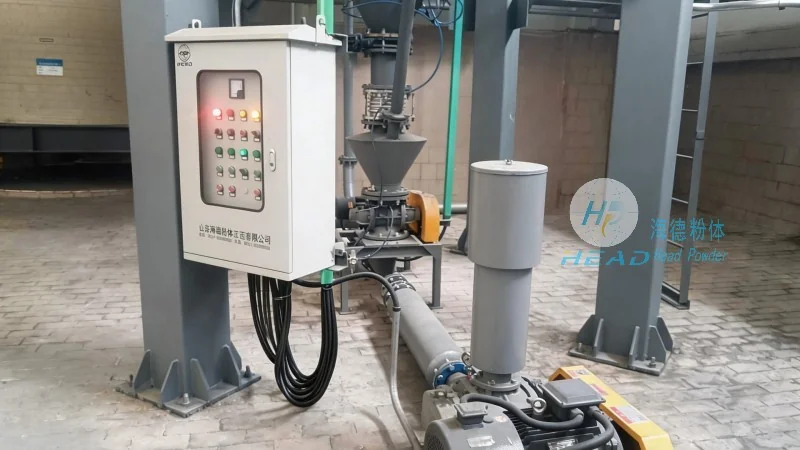
The operation of a biomass powder pneumatic conveying system involves several key steps, each designed to ensure the efficient and safe transport of materials. The process begins with the material being fed into the feed hopper, where it is stored and prepared for transport. A rotary valve or feeder then controls the flow rate of the material into the conveying line. Simultaneously, a fan or blower generates a flow of air through the pipeline, creating a negative pressure (suction) at the inlet and a positive pressure (pressure) at the outlet. As the material enters the pipeline, it is entrained by the air stream and carried along the pipeline to the receiving hopper. The air and material mixture then passes through a separator, where the material is separated from the air and collected in the receiving hopper. The air is then discharged to the atmosphere or recirculated, depending on the system design. The entire process is controlled by a programmable logic controller (PLC) or a similar control system, which monitors parameters such as pressure, flow rate, and material level, ensuring optimal operation and preventing system failures.
Operation Process of the Biomass Powder Pneumatic Conveying System
The operation process of a biomass powder pneumatic conveying system is a continuous cycle that involves several stages. The first stage is the material loading, where the feed hopper is filled with biomass powder. The second stage is the start-up sequence, where the fan or blower is activated, and the air flow is established. The third stage is the material feeding, where the rotary valve or feeder starts to deliver the material into the conveying line. The fourth stage is the conveying phase, where the material is transported through the pipeline to the receiving hopper. The fifth stage is the material discharge, where the material is collected in the receiving hopper and prepared for further processing. The sixth stage is the system shutdown, where the fan or blower is turned off, and the air flow is stopped. Throughout the operation process, the system is monitored by the control system, which adjusts the flow rate of the material and the air flow as needed to maintain optimal performance. The system also includes safety features, such as pressure relief valves and emergency shut-off valves, to prevent overpressure and ensure the safety of the operators.
Key Components of the Pneumatic Conveying System
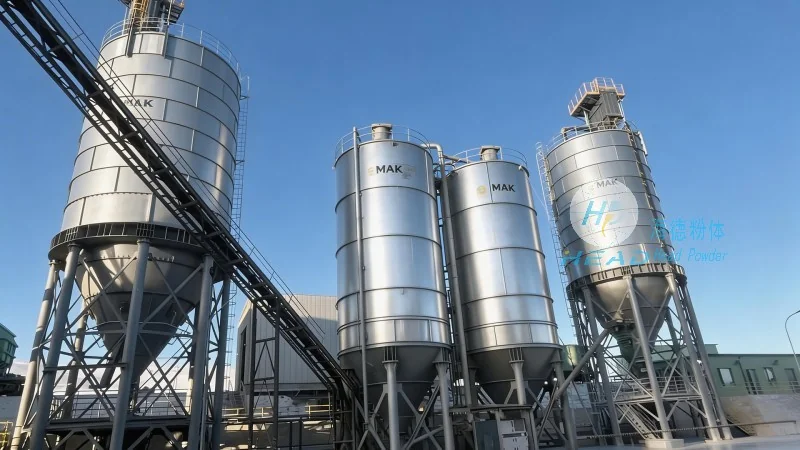
Several key components are essential for the proper operation of a biomass powder pneumatic conveying system. The feed hopper is the first component, which stores the biomass material and provides a controlled feed to the conveying line. The rotary valve or feeder is the second component, which controls the flow rate of the material and prevents it from clogging the pipeline. The fan or blower is the third component, which generates the air flow and creates the pressure differential necessary for conveying the material. The conveying line is the fourth component, which transports the material and air mixture from the feed hopper to the receiving hopper. The separator is the fifth component, which separates the material from the air and collects the material in the receiving hopper. The control system is the sixth component, which monitors and controls the operation of the system. Each component is designed to work together to ensure the efficient and reliable transport of biomass powder materials.
Conclusion
Biomass powder material pneumatic conveying systems are an essential part of many industrial processes, providing an efficient and reliable method for transporting biomass materials. The operation process and working principle of such systems are complex but well-defined, involving the coordination of several key components and the control of various parameters. HeadPowder, with its expertise and experience in the field, provides high-quality systems that meet the specific needs of its clients. By understanding the operation process and working principle of these systems, users can ensure optimal performance, minimize downtime, and maximize the efficiency of their biomass processing operations.




