HeadPowder, a leading engineering firm based in Shandong, China, specializes in the design and implementation of advanced material handling systems. This article focuses on the operation process and working principle of a pneumatic conveying system specifically tailored for magnesium hydroxide material, a key component in various industrial applications.
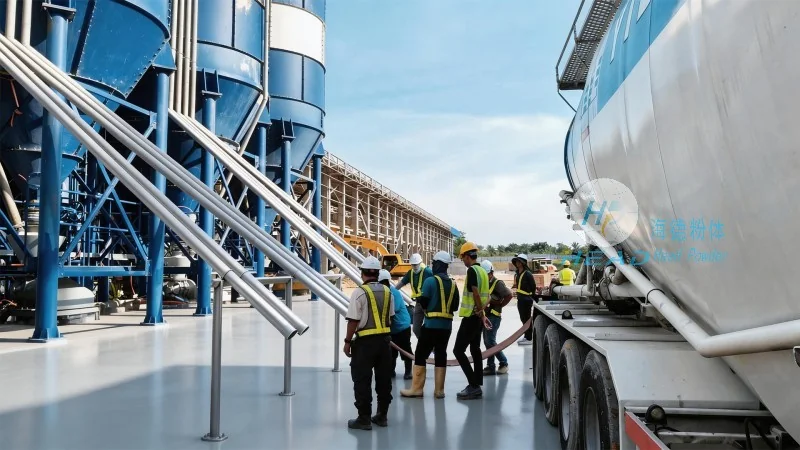
System Overview and Key Components
The pneumatic conveying system for magnesium hydroxide material is engineered to efficiently transport the powder from a storage silo or hopper to processing units or packaging stations. The system comprises several critical components, including a material hopper, a rotary airlock feeder, a positive displacement blower or a high-pressure air compressor, a pipeline network, and a receiver or destination vessel. Each component plays a vital role in ensuring the smooth and reliable operation of the entire system.
Operation Process: Step-by-Step Execution
The operation of the magnesium hydroxide pneumatic conveying system follows a systematic sequence to ensure consistent material flow and minimal downtime. The process begins with the loading of magnesium hydroxide into the material hopper. The hopper is equipped with a level indicator to monitor the material inventory, preventing overfilling or underfilling. Once the hopper is filled, the rotary airlock feeder is activated. This component regulates the flow of material from the hopper into the pipeline by using a rotating valve that opens and closes to control the discharge rate. The feeder ensures a steady and controlled feed of magnesium hydroxide into the conveying line.
Simultaneously, the positive displacement blower or high-pressure air compressor is started. This equipment generates the necessary air pressure to create a flow of air through the pipeline. The air, under pressure, travels through the pipeline and picks up the magnesium hydroxide particles from the feeder. The mixture of air and material then moves through the pipeline network, which may include bends, elbows, and straight sections designed to guide the material to the destination. The pipeline network is typically made of materials resistant to corrosion and abrasion, such as stainless steel or special plastic, to withstand the handling of magnesium hydroxide and the air pressure.
Upon reaching the destination, the material is discharged into a receiver or processing unit. The receiver is often equipped with a dust collector or filtration system to capture any fine particles that may have escaped during the conveying process. The air, now carrying minimal residual material, is then vented or recycled back into the system to maintain energy efficiency. The receiver may also include a level control system to monitor the material accumulation and trigger the start of the next conveying cycle when the desired level is reached.
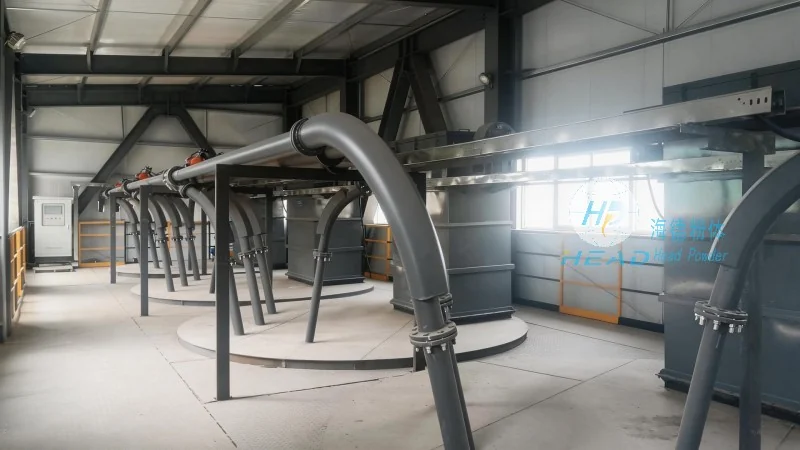
Working Principle: The Physics Behind Pneumatic Conveying
The working principle of the magnesium hydroxide pneumatic conveying system is based on the fundamental physics of fluid dynamics and particle transport. The system operates on the principle of creating a high-velocity air stream within the pipeline that is capable of entraining and transporting the solid particles. The air pressure generated by the blower or compressor creates a pressure differential between the hopper and the receiver, which drives the material flow. The key factors influencing the conveying performance include the air velocity, the particle size and density of magnesium hydroxide, the pipeline diameter, and the system pressure.
When the air is introduced into the pipeline, it creates a low-pressure zone that draws the magnesium hydroxide particles into the air stream. The particles are then carried along the pipeline by the moving air, forming a dense phase or dilute phase flow, depending on the system design and operating conditions. The dense phase conveying, where the particles are closely packed, is often used for longer distances or when handling abrasive materials, as it reduces wear on the pipeline and improves material handling efficiency. The dilute phase conveying, with particles dispersed in the air, is suitable for shorter distances and lower material loads.
Advantages of the Magnesium Hydroxide Pneumatic Conveying System
The pneumatic conveying system for magnesium hydroxide offers several advantages over traditional mechanical conveying methods. Firstly, it eliminates the need for mechanical components such as conveyors, belts, or buckets, reducing maintenance costs and minimizing the risk of material contamination. The system is also highly flexible, allowing for easy reconfiguration or expansion of the conveying network as production needs change. Additionally, the system can handle varying material loads and flow rates, providing consistent performance even with fluctuations in production.
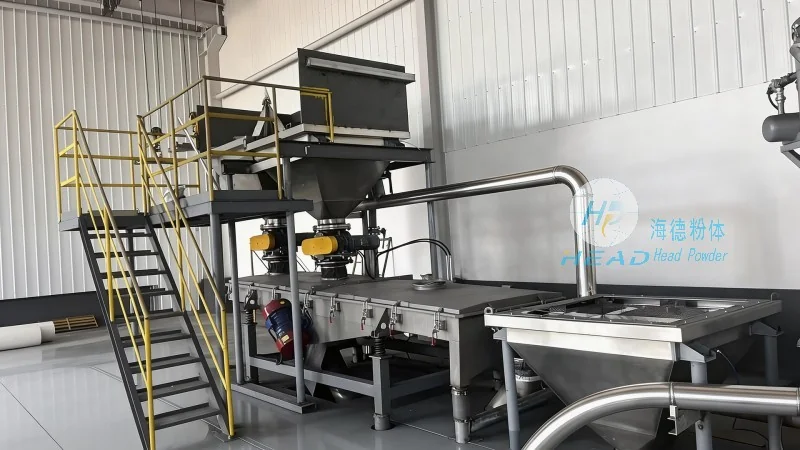
Another significant advantage is the ability to transport magnesium hydroxide in a closed system, which helps maintain product quality and prevents dust emissions into the environment. The closed pipeline network ensures that the material remains contained throughout the conveying process, reducing the risk of contamination from external sources and improving safety in the workplace. The system also contributes to energy efficiency by recycling the air used in the conveying process, reducing energy consumption compared to open or mechanical systems.
Application and Industry Impact
The magnesium hydroxide pneumatic conveying system is widely used in various industries that rely on the handling of fine powders, including pharmaceuticals, chemicals, food processing, and mining. In the pharmaceutical industry, the system ensures the safe and hygienic transport of magnesium hydroxide, which is used as a filler or excipient in drug formulations. In the chemical industry, it facilitates the handling of magnesium hydroxide in production processes, such as its use as a flame retardant or in the manufacturing of other chemical products. The system's ability to maintain product purity and prevent contamination makes it an ideal choice for industries where quality control is paramount.
In the food processing industry, the system is used to transport magnesium hydroxide, which is used as a food additive or in the production of food supplements. The closed system ensures that the material remains free from contaminants and maintains its nutritional value. In the mining industry, the system may be used to transport magnesium hydroxide from processing plants to storage or shipping facilities. The system's efficiency and reliability make it a preferred choice for handling bulk materials in these applications.
Conclusion and Company Expertise
HeadPowder, with its headquarters in Shandong, China, has established itself as a trusted provider of advanced material handling solutions, including pneumatic conveying systems for magnesium hydroxide. The company's expertise lies in designing and implementing customized systems that meet the specific needs of clients, ensuring optimal performance, efficiency, and reliability. By leveraging the latest engineering technologies and adhering to industry best practices, HeadPowder delivers solutions that enhance productivity and reduce operational costs for its clients. The pneumatic conveying system for magnesium hydroxide exemplifies the company's commitment to innovation and quality, providing a robust and efficient solution for material transport in various industrial applications.




