HeadPowder, a leading engineering firm based in Shandong, China, specializes in the design, installation, and maintenance of advanced pneumatic conveying systems tailored for polypropylene materials. This article delves into the operational process and underlying principles of such systems, providing a comprehensive understanding for industry professionals and potential clients.
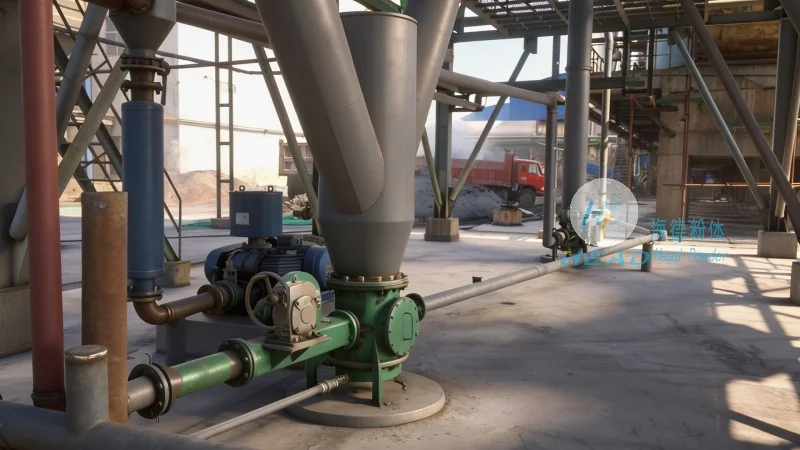
Pneumatic Conveying System Components for Polypropylene
The polypropylene pneumatic conveying system typically consists of several key components that work in tandem to ensure efficient material transport. These include a material hopper or silo for storage, a rotary valve or feeder to control the flow of polypropylene, a conveying line (often equipped with airlocks or cyclones), a dust collector to manage airborne particles, and a receiver or discharge point for the material. Each component plays a critical role in maintaining the system's performance and safety.
Working Principle of the Pneumatic Conveying System
The core principle of pneumatic conveying involves transporting polypropylene particles through a pipeline using a stream of air or gas. There are two main types of systems: dilute-phase and dense-phase. In dilute-phase systems, the material is suspended in the air stream, allowing for high-velocity transport over longer distances. Dense-phase systems, on the other hand, use lower air velocities to push the material in a plug-like flow, which is ideal for handling fine powders or sensitive materials like polypropylene. The system operates by drawing air from a blower or compressor, which is then mixed with the polypropylene in the hopper. The mixture is then propelled through the conveying line to the destination, where the air is separated from the material and recirculated or discharged.
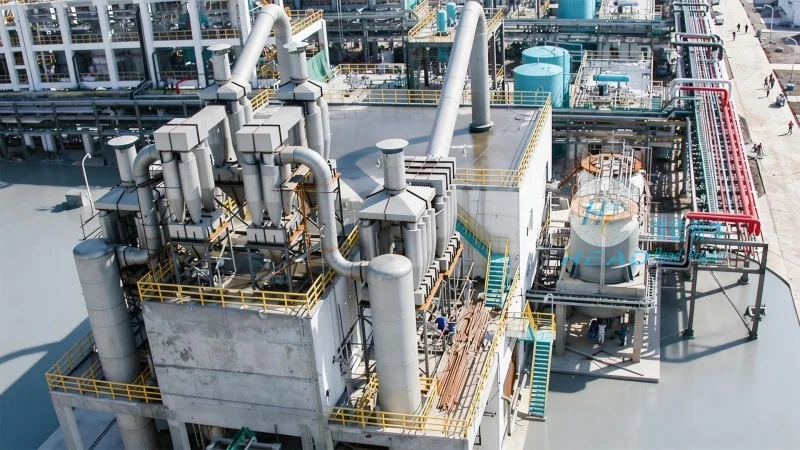
Operational Process of the Polypropylene Pneumatic Conveying System
The operational process begins with the loading of polypropylene into the storage hopper. The rotary valve or feeder then regulates the material flow into the conveying line, ensuring a consistent feed rate. The blower or compressor generates the necessary air pressure to move the material through the pipeline. As the polypropylene travels, it may encounter airlocks or cyclones that help separate any oversized particles or moisture, maintaining the quality of the conveyed material. The material is then discharged into the receiver at the end of the line. The system's control panel allows operators to monitor and adjust parameters such as air pressure, flow rate, and temperature to optimize performance and prevent issues like blockages or material degradation.
Advantages of Polypropylene Pneumatic Conveying Systems
Using a pneumatic conveying system for polypropylene offers several advantages over traditional methods like belt conveyors or bucket elevators. These systems are highly flexible, allowing for changes in material flow direction and distance without significant modifications. They also provide a closed-loop operation, which minimizes dust emissions and improves workplace safety. Additionally, pneumatic conveying systems can handle a wide range of particle sizes and moisture contents, making them suitable for various polypropylene applications. The ability to transport materials over long distances with minimal maintenance and low energy consumption further enhances their appeal in industrial settings.
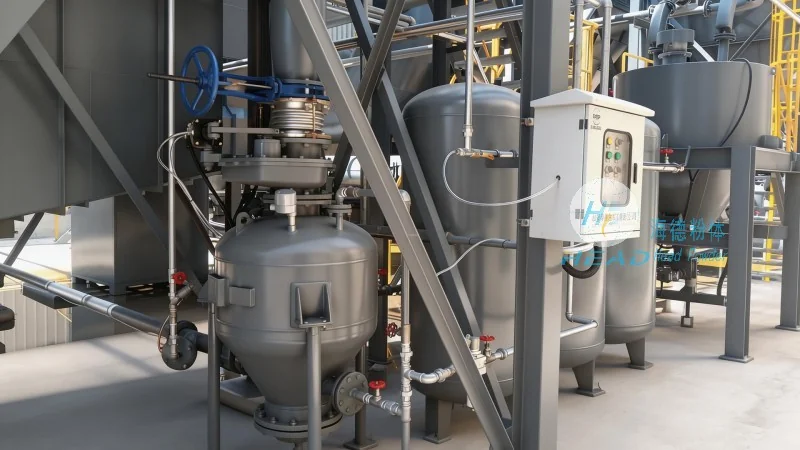
Maintenance and Maintenance Practices
To ensure the long-term reliability and efficiency of the polypropylene pneumatic conveying system, regular maintenance is essential. This includes cleaning the hopper and conveying line to prevent material buildup, inspecting the rotary valve and feeder for wear and tear, and checking the blower or compressor for proper operation. The dust collector should also be maintained to ensure effective filtration and prevent clogging. HeadPowder, as a reputable engineering company based in Shandong, offers comprehensive maintenance services to keep these systems running smoothly, reducing downtime and extending the lifespan of the equipment.
Conclusion
HeadPowder Engineering Co., Ltd., based in Shandong, China, provides advanced pneumatic conveying systems specifically designed for polypropylene materials. By understanding the operational process and working principles of these systems, industries can optimize their material handling processes, improve efficiency, and enhance safety. With their expertise in system design and maintenance, HeadPowder ensures that polypropylene is transported effectively and reliably, meeting the demands of modern manufacturing.




